Health & Fitness
Having thick skin isn’t always a good thing
Never heard of scleroderma? An Advocate South Suburban Hospital fills you in on what you need to know.

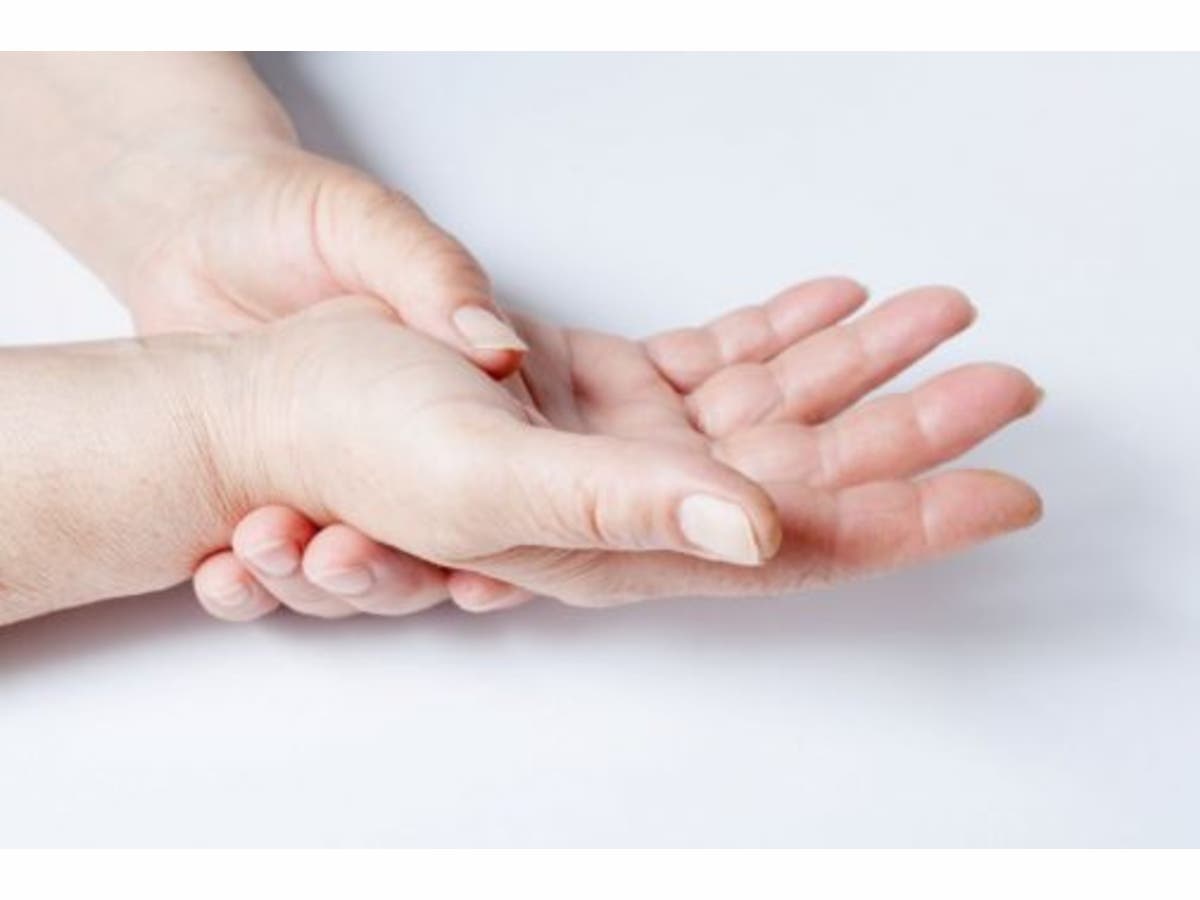
The skin is the largest and fastest growing organ of the human body. For some people, however, it can grow too fast, caused by a condition called scleroderma.
Scleroderma, also known as systemic sclerosis, is an autoimmune connective tissue disease. Although the cause of the disease is unknown, experts say it results in an overproduction of collagen in the body. This extra collagen is what causes fibrosis, thickening and hardening, of the skin and sometimes other organs.
The disease can affect people of all ages, but is most common in women. There are also different types of scleroderma. Because of this, individuals can experience the disease very differently, and this can affect the kind of treatment they need.
Find out what's happening in Homewood-Flossmoorfor free with the latest updates from Patch.
“How we treat scleroderma varies, depending on the severity of the disease and what organs of the body it is affecting,” says Dr. Veena Nayak, a board certified rheumatologist with Advocate South Suburban Hospital in Hazel Crest, Ill. “Scleroderma is sometimes misdiagnosed as other autoimmune diseases because of the similarities in symptoms.”
Dr. Nayak notes that scleroderma is not contagious, but some of the effects are visible, like skin hardening. This isn’t the only manifestation of the disease, though. Other signs and symptoms can include joint pains, severe fatigue and dry eyes, according to the Scleroderma Foundation.
Find out what's happening in Homewood-Flossmoorfor free with the latest updates from Patch.
Like most chronic diseases, scleroderma can become serious if left untreated. Serious complications can include inflammation of blood vessels and thickening and hardening of internal organs, including the esophagus and lungs. Depending on the type, treatment can include medication, physical therapy and, in severe cases, surgery.
“If you suspect you may have scleroderma, it is important to consult a rheumatologist so a proper diagnosis can be made,” says Dr. Nayak.