Neighbor News
South Holland 'Seed Party' Prepares for Forest Preserve Planting
Friends of the Chicago River, Partners Boost Plant Chances to Help Wildlife, Stormwater Management
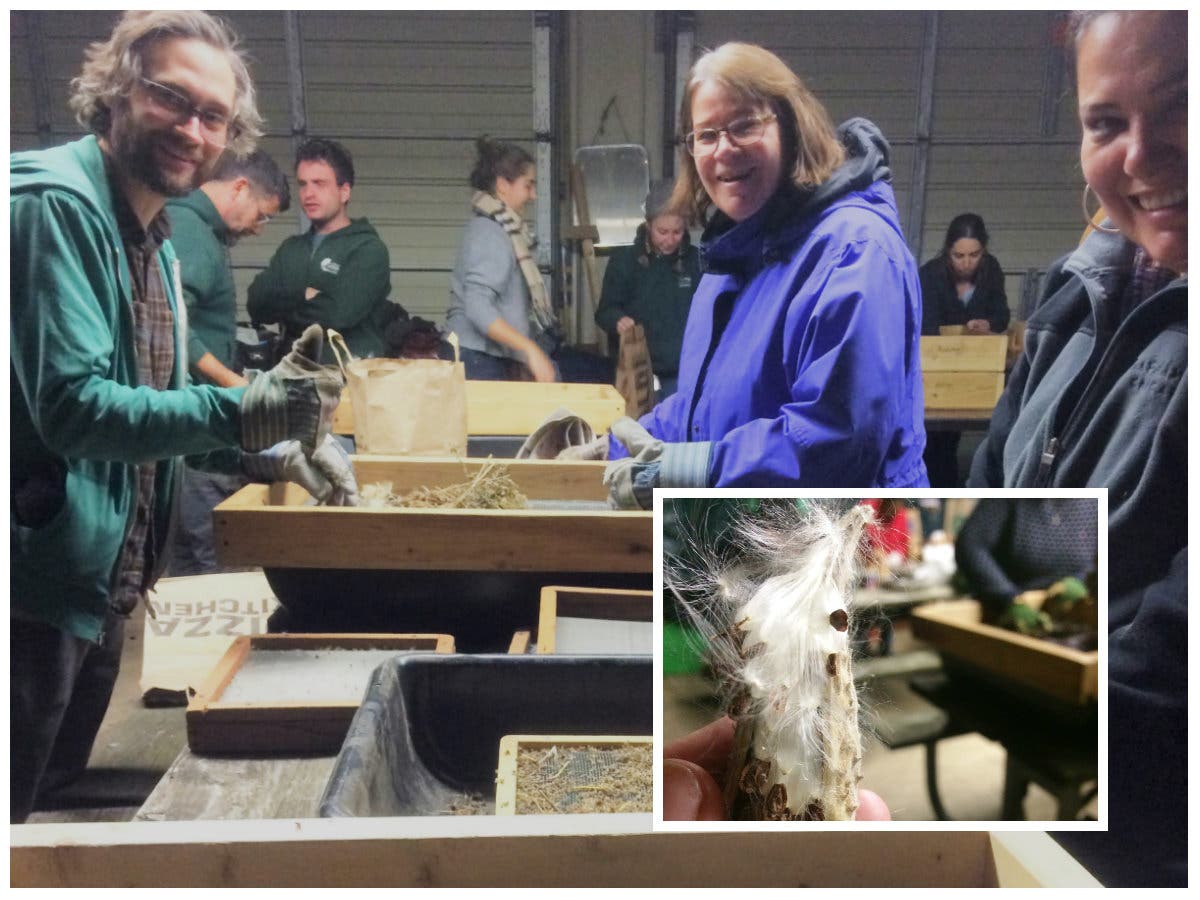
It may be winter but spring blooming was on the minds of dozens of people who gathered in the south suburbs for a festive "seed party" to prepare seeds for spreading in the Forest Preserves of Cook County.
On a recent chilly December evening, a gaggle of good-hearted folks worked out of a garage at the Sand Ridge Nature Center in South Holland. Their seed-cleaning mission is an important step in replenishing the biodiversity of our public lands.
The 30-member team included partners from Friends of the Chicago River, the Forest Preserves, Friends of the Forest Preserves, the Field Museum, and the North Branch Restoration Project.
Find out what's happening in Homewood-Flossmoorfor free with the latest updates from Patch.
Separating the seed from other organic material, like seed pods or surrounding duff or chaff, ensures a better survival rate for the seed because trapped moisture can cause seeds to rot. Cleaning also makes seeds a bit more manageable as they take up less space and gives them a better chance to “take” once re-spread.
Some 15 types of seeds from three Forest Preserve sites were processed and, as a bonus, volunteers were able to take home native plant seeds collected from beds at the Field Museum Rice Gardens.
Find out what's happening in Homewood-Flossmoorfor free with the latest updates from Patch.
Volunteers who collected the seeds in the field were careful to label them with the locations where the seeds were found and type of seed. Forest Preserve policy is to re-spread seeds from where they were harvested or appropriate nearby locations. This approach is based on the belief the seeds will grow better because they evolved under similar environmental conditions. In addition, the use of local seeds is a way to maintain genetic integrity.
Re-seeding is an integral part of land restoration following the removal of invasive plant species. Land restoration improves plant and animal habitat. For example, invasive plants can make turtle nesting areas too shady for the reptiles, forcing them to search for sunnier though more vulnerable spots often near high-traffic roads and trails.
Land restoration can also help in stormwater management. Native plants absorb rainwater better than invasive species allowing less runoff into sewage systems. Such sewage systems can be overwhelmed during storms causing releases into basements and nearby streams.
For more information about similar efforts through the Centennial Volunteers group, see http://bit.ly/CentennialVolunteer.