Community Corner
Forest Preserve Hosts Online Nature and History Programs
Check out the Forest Preserve's Facebook Live programs to learn about composting, bird feeders and the 18th-century fur trade era.


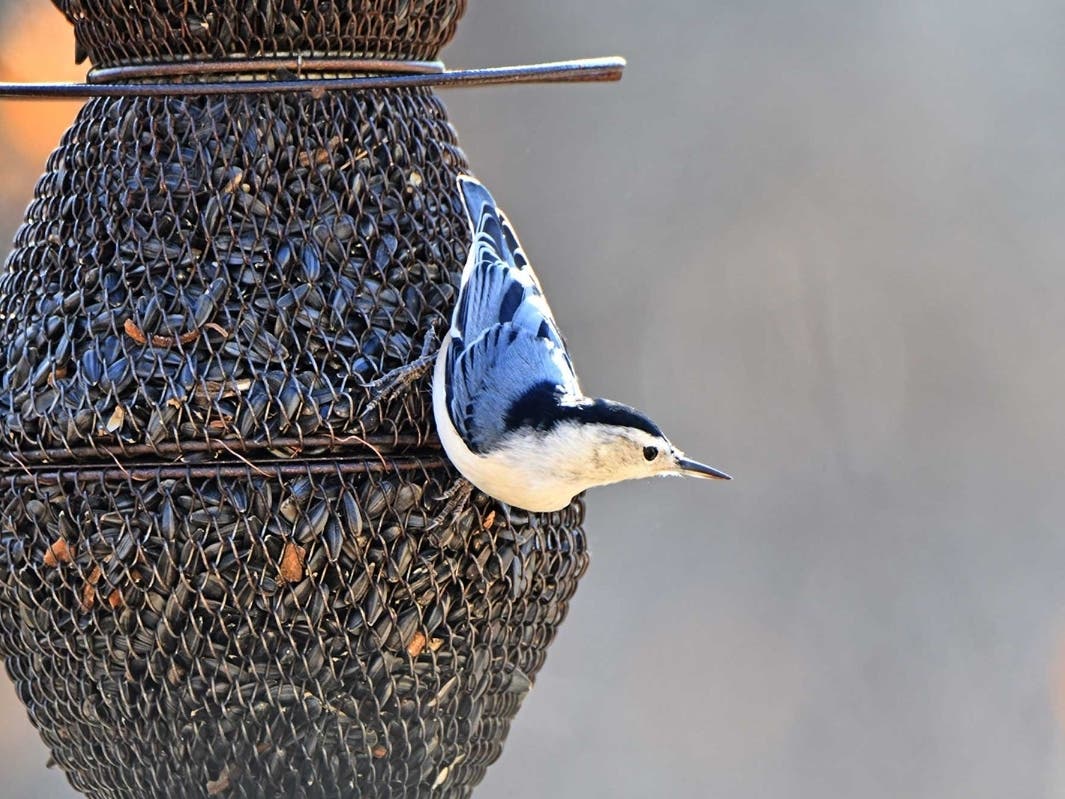
The Forest Preserve District will continue to bring the outdoors inside in May by offering several Facebook Live events on a wide range of topics.
Bird-watching, wildflowers, Blanding’s turtles, composting and the fur trade era are all on tap as the Forest Preserve gets virtual during the stay-at-home order and the cancellation of in-person programs through May 30.
Please note: The live programs will air on the District’s Facebook page, so tune in from the comfort of your home and feel free to ask questions by posting Facebook comments. Virtual tour locations are not being revealed due to the prohibition on group programs that is still in effect in Illinois. But you can easily enjoy the tours by watching on your computer, laptop or smart device.
Find out what's happening in Jolietfor free with the latest updates from Patch.
Weather could postpone some of these virtual programs, but they will be rescheduled if possible and new dates and times will be published on the District's website and Facebook page.
Facebook Live programs scheduled for the week of May 18 are:
Find out what's happening in Jolietfor free with the latest updates from Patch.
Crash Course on Composting
Noon, Tuesday, May 19
Spring is the perfect time to start a compost pile and, with this online program, interpretive naturalist Kate Caldwell will set you on the correct path to turning food waste into nutrient-rich black gold. Join Caldwell as she leads a tour of the Forest Preserve's composting exhibit, showing various ways to create your own nutrient-rich soil.
She will include quick "how to" and "why" components on her tour of seven units that show seven ways to compost: wire bin, three bin, continuous composter, garbage can, tumbler, worm bin and bench. Caldwell will show compost she created last season and how she used it to create her own potting soil.
"What I hope people will get out of it is: If you want to compost, you can," she said. "No matter where you live, you can compost!"
Bird Feeders 101
Noon, Wednesday, May 20
Interpretive naturalist Bob Bryerton will provide a quick primer on the various types of bird feeders and seed mixtures you should be using to attract the birds you want. He'll also be covering some do's and don'ts to ensure you're doing all the right things.
"Different types of seeds can attract specific species of birds," Bryerton explained. "Also, the type of feeder and feeder placement can affect which birds will show up in your yard."
The program will feature information on a wide variety of bird species ranging from cardinals and orioles to woodpeckers and hummingbirds.
Fur Trade Living
Noon, Thursday, May 21
Discover how the Potawatomi and the French both benefited from the fur trade, what it would take to be a voyageur, and what drew the French to Illinois Country in the first place. Interpretive naturalist Sara Russell will be on hand showing off many items in the Forest Preserve's collection, laying out what life looked like in the 1750s.
"Everyone thinks that our history started with the pioneers in the 1800s," Russell said. "But it’s just not true. In the 1700s this was Potawatomi homeland and at the same time the French claimed it as their own. The two cultures interacted through trade.
"French voyageurs traveled the river roads in canoes made from Native technology bringing metal, cloth, and beads to exchange for furs processed by Potawatomi trappers and tanners," she added. "To be a voyageur, to travel for months on end in an area they considered wilderness, must have been exciting and scary and tedious and exhausting all rolled into one. What must Potawatomi think of these seasonal visitors with their strange language and customs and dress? These people lived very real lives, shaped by their time and place. We owe some of what we are to these people who came before us."