Crime & Safety
Samantha Harer Lawsuit: How Channahon Police Covered Up A Murder
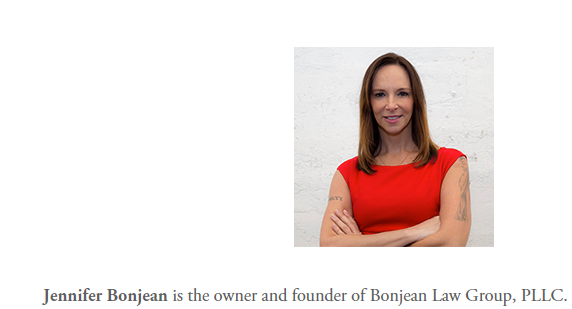
Brooklyn civil rights attorney Jennifer Bonjean has revived a federal lawsuit against Channahon, Crest Hill and Phil Flores.


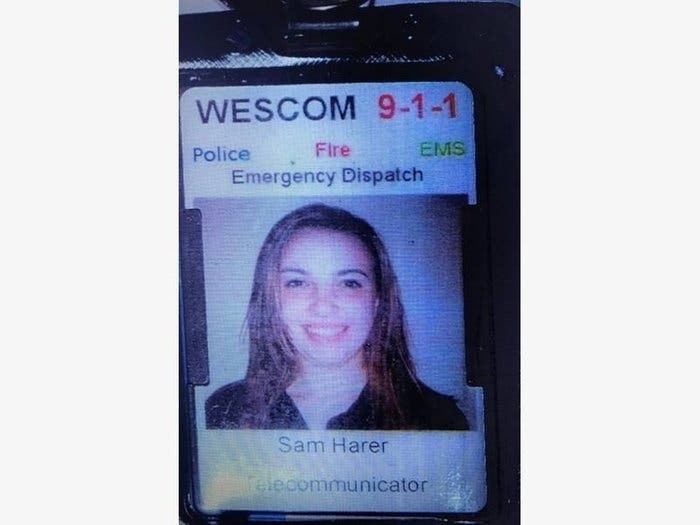
CHANNAHON, IL — On Tuesday morning Feb. 13, 2018, 23-year-old Samantha Harer, a former Channanon Police Department college intern, was discovered completely naked and gravely wounded with a gunshot to her head. Her estranged boyfriend, dressed in blue jeans, white tube socks and a black sweatshirt covered with blood splatter, was inside her apartment at the time of her violent death.
But because Crest Hill Police Officer Phil Flores was a member of the local Will County police fraternity, certain members at the Channahon Police Department agreed to band together, to protect one of their own, a new lawsuit filing in federal court in Chicago alleges.
That day, Channahon Police Chief Shane Casey put detective Andrew McClellan in charge and the outcome of the investigation was already determined, new court filings suggest.
Find out what's happening in Jolietfor free with the latest updates from Patch.
Brooklyn, New York civil rights attorney Jennifer Bonjean's new federal lawsuit filing in Chicago is 20 pages in length.
(Story continues below photo.)
Find out what's happening in Jolietfor free with the latest updates from Patch.
Here are some key snippets from it.
"On information and belief, an argument ensued between Flores and Samantha at roughly 8 a.m. Samantha's neighbor heard a commotion coming from Samantha's bedroom. The neighbor described hearing banging on the walls and a woman's voice repeatedly yelling, 'Let me go.'
"On information and belief, Flores used one of the many firearms in the residence to inflict a single gunshot wound to Samantha's head during their argument and physical struggle. Although Samantha was still alive after suffering the gunshot wound, Flores refused to conduct CPR or any life-saving measures on Samantha."
Then, at 8:19 a.m. Flores called the emergency dispatchers from his girlfriend's apartment in Channahon. Flores was off-duty from the Crest Hill Police Department that day, and Crest Hill never allowed him to return to the job, to work a single day on their police force.
Flores was put in touch with WESCOM, the same dispatchers who worked with Harer and considered her a loyal friend and one of their most dedicated employees.
"On information and belief, Flores falsely told the 911 dispatcher operator that Samantha shot herself. He reported that the two had been arguing, that Samantha had asked him to leave and that he complied with her request. Flores claimed that after leaving Samantha's room, he heard her 'gun rack' and that Samantha locked herself in the room just before he heard a gunshot," the plaintiff's lawyer outlines.
(Story continues below image.)
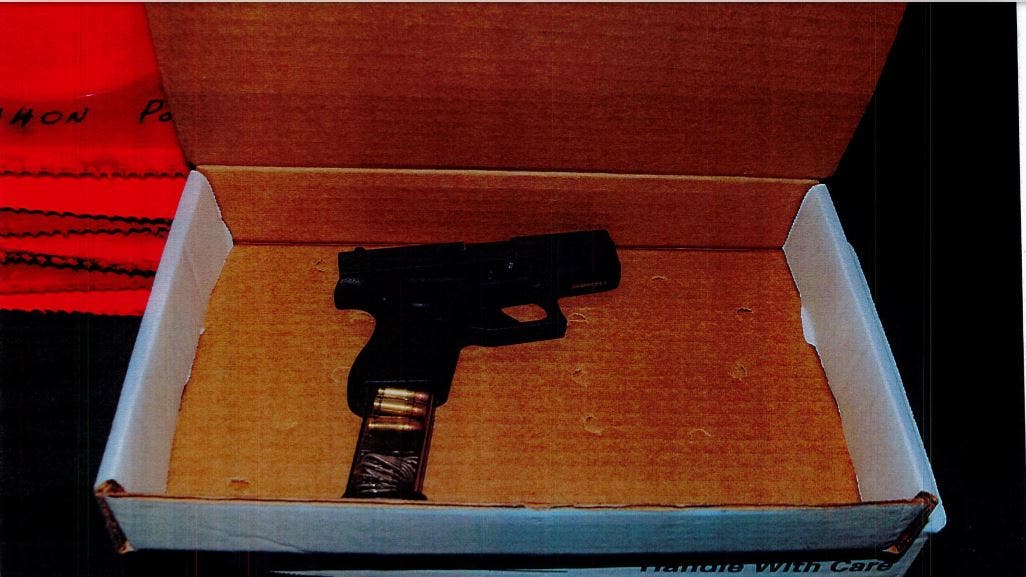
But a close listen to the 911 call and a comparison of Flores' subsequent interview statement given later that day show a number of key inconsistencies, the plaintiffs' lawyer says.
"Defendant Flores falsely claimed that he busted into the bedroom and observed Samantha unconscious with a gunshot wound to her head; her gun laying between her legs," Bonjean said. "Even after the 911 operator suggested that Flores start CPR, he declined, stating that she wasn't breathing and that he could see brain matter."
When Channahon Police and Channahon's Fire and Rescue ambulance crews arrived at the Bridge Street Apartments that Tuesday morning 15 months ago, "Flores was still on the phone with a 911 dispatch operator. Police and emergency personnel found Samantha inside her bedroom. She was naked and appeared to have a single gunshot wound to the head. Emergency personnel detected a faint pulse on Samantha and transported her to the hospital where she died," court documents outline.
The New York lawyer also informed the federal judge that "Although Flores stated that he did not enter Samantha's bedroom until after she discharged the firearm and had not conducted any life-saving measures on her, Flores had blood splatter on the right sleeve and front of the sweatshirt that he was wearing.
"Gunshot residue tests revealed that Flores was positive for gunshot residue to his right hand, the cuffs of his sweatshirt and the front of his sweatshirt," her new lawsuit filing states. "Gunshot residue analysis showed that Samantha's hands were negative for gunshot residue."
(Story continues below image.)
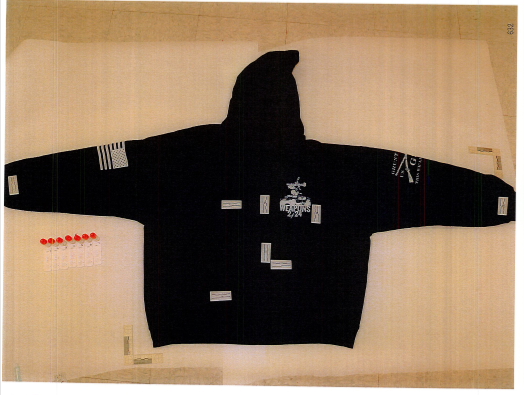
But how would any of the events of Feb. 13, 2018 constitute a federal civil rights violation or a law enforcement coverup by the Channahon Police Department?
One section of the new federal lawsuit is titled, "Channahon Police Officers Conduct a Faulty Investigation Designed to Protect Defendant Flores and his Employer Defendant Town of Crest Hill."
According to the plaintiff, "Defendant Channahon conducted a sub-par investigation implicitly designed to protect potential misconduct of a fellow police officer in the following ways:
- Channahon failed to treat the shooting as a potential homicide.
- Channahon failed to process the scene of the shooting properly.
- Channahon failed to properly preserve and inventory physical evidence including the door to Samantha Harer's bedroom.
- Channahon failed to conduct an adequate search for firearms evidence.
- Channahon failed to dust for any fingerprints on physical evidence.
- Channahon failed to inventory the weapon in the case.
- Channahon failed to conduct adequate DNA testing on the gun to determine the source of DNA.
- Channahon failed to video record the scene.
- Channahon failed to conduct testing on all evidence gathered in the Samantha Harer rape kit."
According to the Brooklyn lawyer, "This failure to investigate and properly manage the scene is a clear disregard for public safety and an example of the cover-ups and protections provided to officers. Incredibly, a Channahon Police Officer concluded less than an hour after the shooting that the death scene was consistent with suicide. He made that determination without speaking to any witnesses, including defendant Flores."
(Article continues below this photo.)
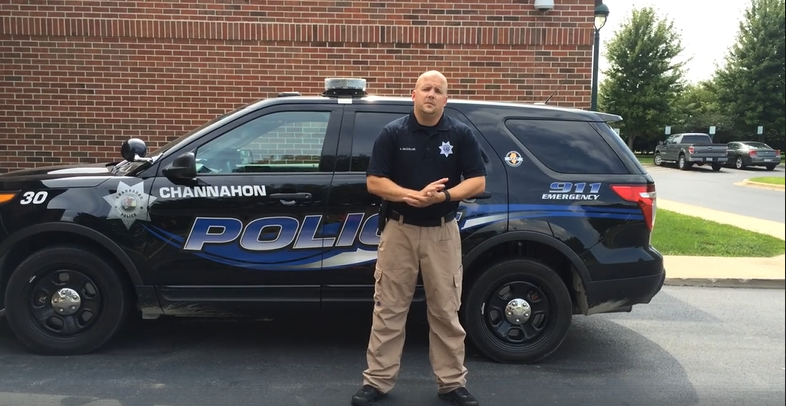
Police reports from Channahon's investigation released this past January, after a Freedom of Information Act submission by Joliet Patch, reveal that off-duty Officer Flores was only interviewed one time, which was on the morning of the shooting, and that's it.
"Investigators failed to confront Flores with patently false statements he made that he was 'talking' to Samantha while he was on the phone with a 911 dispatch operator," Bonjean informed the federal judge. "The recorded 911 call simply does not support this claim.
"Investigators failed to challenge Flores' account of the events leading up to the shooting or reconcile the neighbor's account of a struggle in the bedroom and Samantha's multiple cries of 'Let me go.' Instead, investigators simply accepted Flores' blanket denials that he never touched Samantha and that she never yelled 'Let me go.'"
The written reports generated from the death investigation indicate that Flores was never asked to submit to a second interview or undergo a lie-detector test, even though the topic of a lie-detector test was mentioned at the end of his interview with RJ Austin and Carlos Matlock and Flores gave a statement indicating he was fully supportive of taking a lie-detector test.
"Critically, investigators failed to ask Flores why he had blood splatter on his clothing if he was not in the room when Samantha discharged the weapon," Bonjean's filing states. "Upon learning that Flores' hands and clothing were positive for gunshot residue, investigators never questioned Flores further about whether he was, in fact, in the bedroom with Samantha when the gun discharged."
Furthermore, "Investigators failed to reconcile Flores' initial statements to a 911 operator suggesting that he never touched Samantha's body with his later statements to investigators claiming that he lifted up her head after she shot herself," her federal lawsuit outlines.
At the time of the 911 call, authorities found Flores wearing a pair of blue jeans, a dark sweatshirt and a pair of white socks, but not any shoes.
"Investigators failed to question the absence of blood on Flores' white socks if he was 'kneeling' next to Samantha 'talking to her' as she (bled) profusely," Bonjean argues.
In most suspicious death investigations, detectives compose a detailed time line of events leading up to the moment of violence. But in the case of Harer, the Channahon Police Department chose not to do such a thing, Bonjean informed the federal judge.
"For example, investigators failed to ask Flores what transpired between he and Samantha between 1 p.m. on February 12, 2018 when he allegedly arrived at her home and 8 a.m. when he entered her bedroom the following morning," her court documents state. "Investigators did not ask when he took Samantha's phone or challenge his explanation for taking it. (Police) failed to probe why the couple were arguing and accepted Flores implausible explanation that Samantha was just 'depressed.' Incredibly, investigators did not even ask Flores why Samantha was nude when the shooting occurred."
Police reports show that his interview on Feb. 13, 2018 was conducted by Will County Sheriff's Investigator R.J. Austin and Joliet Police Detective Carlos Matlock.
Austin, Joliet Patch readers may recall, is the same Will County Sheriff's detective who has been accused of messing up the Sema'j Crosby unsolved murder investigation.
On the other hand, Matlock, sources have told Patch, has a reputation of being a solid detective for the Joliet Police Department.
The federal lawsuit also notes that the investigators who interviewed their fellow Will County police officer at the time, "never asked defendant Flores whether he knew how Samantha sustained other injuries to her body, including abrasions" and that they "failed to conduct any alcohol or drug testing on Flores despite Flores’ reputation for having a drinking problem."
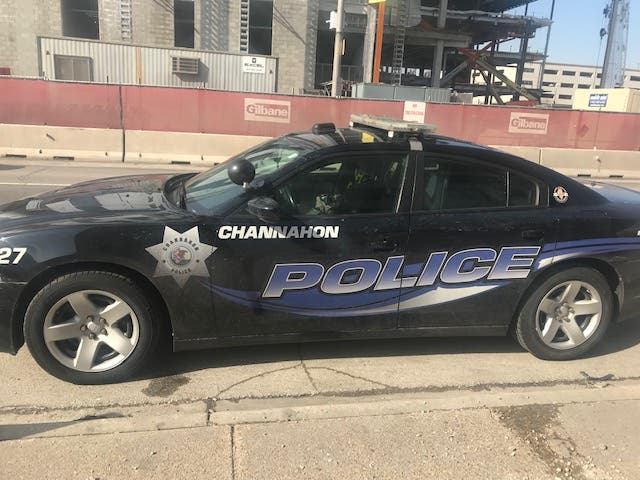
An allegation of corruption and misconduct is lodged by the New York civil rights lawyer against the Channahon Police Department, whose chief is Shane Casey.
"On information and belief, a Channahon police officer purposefully altered, rigged, or misrepresented the results of a preliminary gunshot residue test conducted on Flores to support their premature theory that Samantha Harer committed suicide," Bonjean contends.
She further reminds the federal judge in Chicago that her clients, Kevin and Heather Harer, the parents, were visited by Channahon Police officials within 24 hours of the shooting, and they were told that, "Samantha had died from a self-inflicted gunshot wound. They falsely told (the) plaintiffs that Samantha’s hand was positive for gunshot residue and that Flores was negative for gunshot residue. They did not tell (the) plaintiffs that a neighbor had heard a struggle in the bedroom shortly before the shooting or that Flores’ clothing had evidence of blood splatter on it despite his claims that he was not in the bedroom when Samantha allegedly shot herself."
Joliet Patch has previously reported that Detective McClellan and Chief Casey were the two people who visited with the parents back in February of 2018.
As for Flores, Crest Hill Police never let him work another day on regular street patrol since the death of his girlfriend.
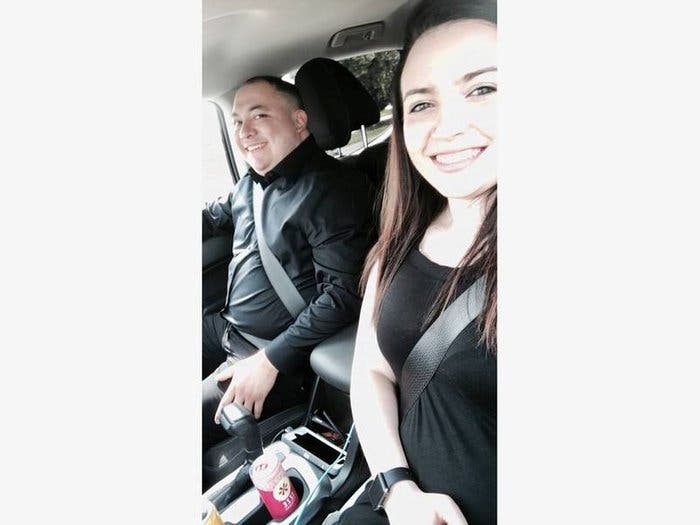
This past March, on the verge of facing a termination hearing, Phil Flores abruptly resigned, after already receiving 13 months of paid suspension from Crest Hill.
He had been on the force for seven years, but had no prior police experience.
"Even though Flores had been dating Samantha for nearly a year and the two had plans to move in together, Flores never contacted Samantha’s parents to express his condolences or answer any questions about their daughter’s violent death to which he was a witness," Bonjean notified the federal judge.
Lastly, her lawsuit informs the judge that Channahon Police, the defendants, do not want Bonjean to have the ability to perform additional independent tests upon the forensic evidence.
Channahon is being represented by the long-time Joliet law firm of Mahoney, Silverman and Cross, with attorney Jim Murphy serving as their lead counsel.
"In the past two months, plaintiffs sought to have physical evidence in the care and custody of the Channahon Police Department independently examined but defendants declined to make that evidence available to plaintiffs, despite the fact that the investigation has been closed," Bonjean's federal court filing contends.
Get more local news delivered straight to your inbox. Sign up for free Patch newsletters and alerts.