Politics & Government
La Grange Costs Will Only Rise For Lead Pipe Replacement: Expert
The average home's cost has increased in the last few months. The trend is expected to continue.


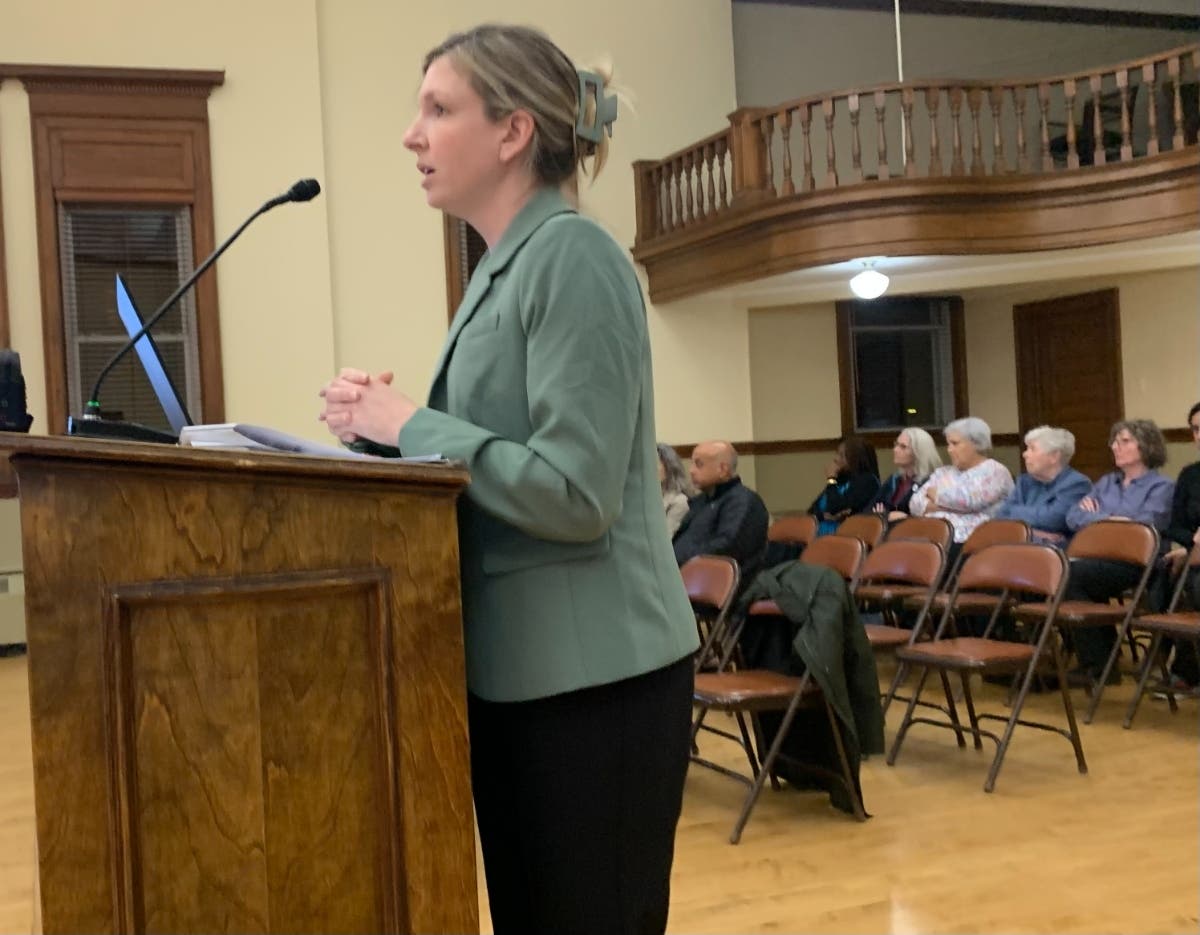
LA GRANGE, IL – La Grange officials got no sugarcoated message Monday about the costs of replacing the town's lead water lines.
The village's estimate for changing out two-thirds of the town's 5,154 lines is $68 million.
But virtually everyone involved expects that number to go up.
Find out what's happening in La Grangefor free with the latest updates from Patch.
"When the entire country presses go in 2027, supply and demand say these prices will increase," Kaitlin Wright, a civil engineer with Baxter & Woodman, told the Village Board.
Wright's written presentation states that the average cost of replacing a home's lead line ranged from $12,000 to $15,000.
Find out what's happening in La Grangefor free with the latest updates from Patch.
But she told the board that her experience in neighboring towns shows the range actually goes up to $18,000.
Just a few months ago, the village was saying the average was $7,000 to $9,000.
Making matters worse, the $68 million only represents the total expense on the residents' side of the system, not the village's portion, officials said. The village's part is expected to cost millions more.
The federal and state governments are requiring towns to change out lead service lines because they become dangerous when they corrode.
Many towns have far lower percentages of lead service lines, with Western Springs at 10 percent and La Grange Park at 30 percent, Wright said.
La Grange has so many lead lines because it's an older town.
Now, officials are figuring out how to pay for the work on the residents' side of the system.
They reviewed three options:
- Property owners pay for the customer portion of the service line – from the valve (known as the B-box) to the home.
- The village pays for both the public and private portions of the replacement through a water rate increase to pay back a loan.
- The village fronts the costs of both the public and private sides. Residents then would be required to repay the village over an extended time – for instance, three years.
Village trustees did not settle on an option, saying they would continue to debate the issue.
Trustee Lou Gale suggested a blend between the last two options.
Residents don't have to take part in the program, but that could create problems when they try to sell their homes, officials said.
In her presentation, Wright gave the pros and cons of each option. She said payment plans would add a "significant administrative burden" for the village.
A couple of years ago, the village got a preview of that. As part of the road reconstruction of Brainard Avenue, La Grange offered to replace the lead lines of 76 homes, with the residents paying $6,500 and the village covering the rest.
Sixty-four took advantage of it, with 44 paying on time, 14 entering payment plans, four making late payments and two liens being filed, according to the village.
Village President Mark Kuchler said La Grange could encourage payment plans.
"I'm not concerned about collection," he said. "We can add it to the water bill."
He also held out hope that trenchless lead line replacements could save a lot of money.
Get more local news delivered straight to your inbox. Sign up for free Patch newsletters and alerts.