Politics & Government
Lake Forest Receives $2.64 Million In American Rescue Plan Funds
The city's share of the $1.9 trillion coronavirus relief bill can be spent on public health, infrastructure and financial assistance.


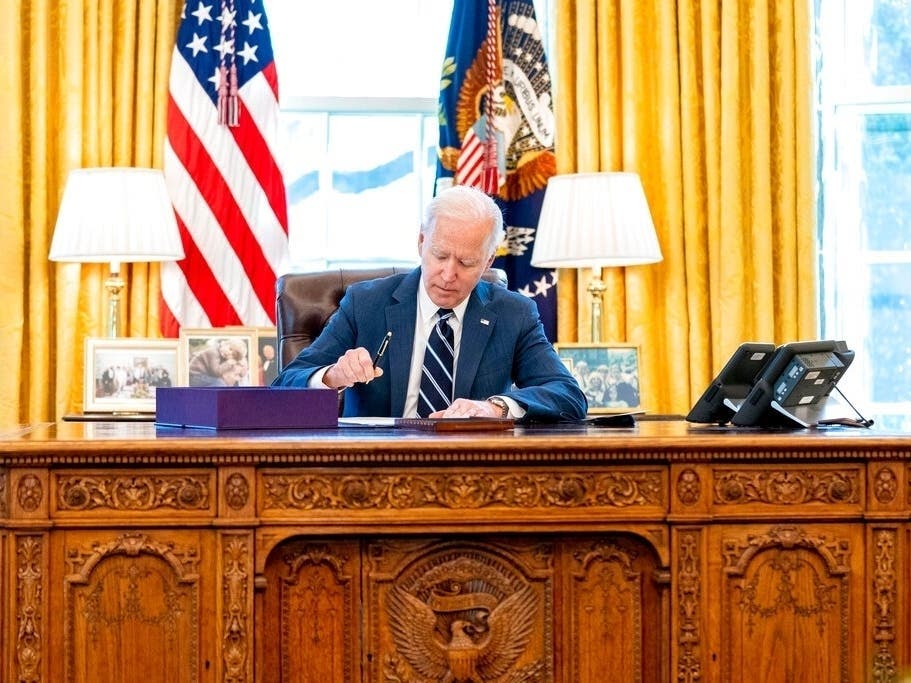
LAKE FOREST, IL — Congressman Brad Schneider last week announced 10th District municipalities have received $131 million in COVID-19 relief funds as part of the $1.9 trillion American Rescue Plan Act signed by President Joe Biden in March.
“Our local cities, villages, and townships have been on the front lines battling the COVID-19 pandemic," Schneider said in a release. "The historic $131 million from the American Rescue Plan for the Tenth District will help our communities successfully navigate through the rest of this pandemic."
Lake Forest is due to receive about $2.64 million, while Lake Bluff is set for more than $756,000 from the act's Coronavirus Local Fiscal Recovery Fund, according to data from the state of Illinois.
Find out what's happening in Lake Forest-Lake Blufffor free with the latest updates from Patch.
"With this funding, local municipalities will improve public health, create more jobs to build back the economy, and repair crumbling local infrastructure, including water and sewer systems," Schneider added.
Other 10th District communities received the following from the American Rescue Plan:
Find out what's happening in Lake Forest-Lake Blufffor free with the latest updates from Patch.
- Buffalo Grove: $5,504,924.82
- Deerfield: $2,534,815.73
- Des Plaines: $7,787,945.00
- Glenview: $6,431,248.66
- Gurnee: $4,129,713.20
- Highland Park: $4,129,713.20
- Libertyville: $2,746,752.75
- Mount Prospect: $7,027,870.00
- Mundelein: $4,221,203.65
- North Chicago: $6,271,106.00
- Northbrook: $4,480,449.26
- Round Lake Beach: $3,684,088.08
- Vernon Hills: $3,605,376.38
- Waukegan: $19,705,222.00
- Wheeling: $5,253,699.92
- Zion: $3,192,921.65
According to the U.S. Treasury’s guidelines for eligible uses of the funding, municipalities can use the money for:
- Public health spending, including staff, medical expenses, behavioral healthcare and coronavirus mitigation efforts.
- Financial assistance to address the negative economic effects of the pandemic on workers, families, businesses, governments and "impacted industries."
- Premium pay for essential workers who face the greatest risk of coronavirus exposure due to their jobs.
- Investments in broadband, water, sewer and stormwater infrastructure.
Note: This story has been updated with data from the Illinois Department of Commerce and Economic Opportunity. An earlier version contained an incorrect amount of financing provided by Schneider's office.
Get more local news delivered straight to your inbox. Sign up for free Patch newsletters and alerts.