Community Corner
North Shore Towns Ranked Among Best Suburbs For Urban Amenities
Twenty-one Chicagoland locations made a list of the top 100 suburbs for "city-like living" — including five in the top 10.


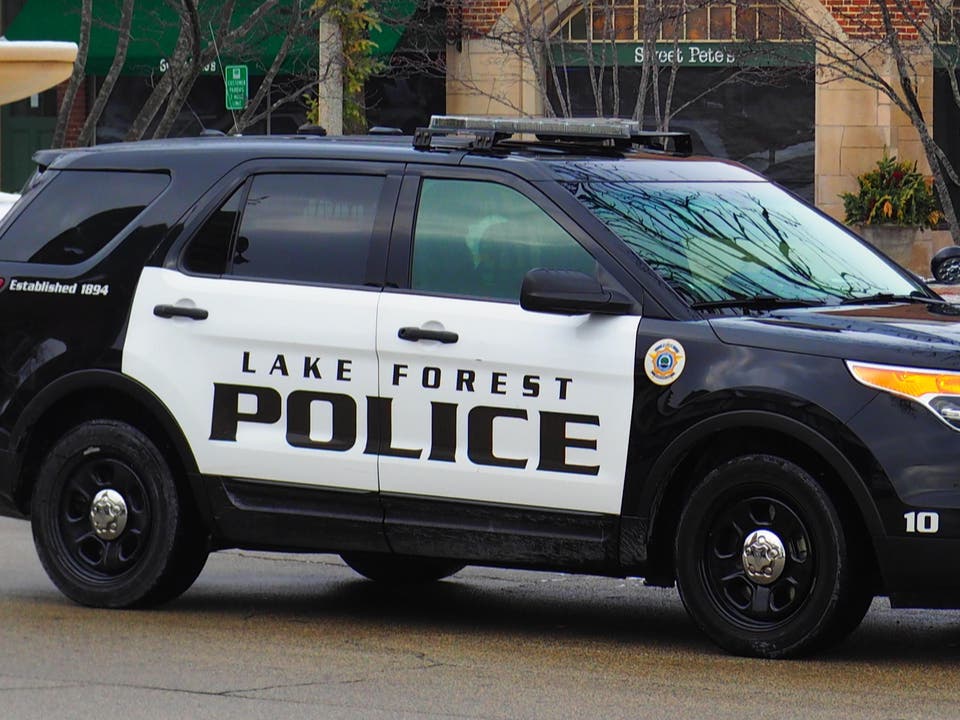
LAKE FOREST, IL — In the two years since the COVID-19 virus first emerged and spread across the globe, suburban communities have seen a surge in demand.
But many of those households relocating to the suburbs from urban areas do not want to have to sacrifice the amenities of city living in exchange for more living space and quieter streets.
So where are the best places to find the perks of the suburbs — low crime, high wages, top-ranked public schools — combined with the benefits of being in a big city — more shops and restaurants with less of a need to drive everywhere?
Find out what's happening in Lake Forest-Lake Blufffor free with the latest updates from Patch.
It turns out there are more such suburbs around Chicago than in any of the nation's top 100 metropolitan areas, according to a recent analysis of 1,030 suburbs produced by a self-storage search firm, which found more than one in five of the top 100 suburbs for urban living are in Chicagoland.
Two of the top three best suburbs for blending the advantages of the city and its outskirts — and three of the top 10 —are on Chicago's North Shore, according to the new rankings from StorageCafe. Company representatives reviewed U.S. Census, FBI, Education Department, Trust for Public Land and Yardi Matrix data to create 13 weighted metrics and compile the list.
Find out what's happening in Lake Forest-Lake Blufffor free with the latest updates from Patch.
Lake Forest is ranked No. 2 in the country. Its scores were buoyed by its public school system (second only to Northbrook), its large amount of park space per capita (11th in the country and thrice the national average for suburbs) and its exceptionally low crime rate (14th in the nation and the least crime offenses per capita of any Chicago suburb).
There are about 3.5 retail stores and 1.9 restaurants for every 1,000 residents of Lake Forest, where median household incomes are more than $172,000.
And for every 1,000 residents, there are more than 51 local businesses, and average annual wages there are about $56,700, according to the analysis.
Highland Park is ranked No. 3 in the country. It outscored its neighbor to the north in a housing affordability index, the number of retail stores, restaurants and local businesses per 1,000 residents.
Business pay better in Highland Park and residents have better access to health care and social assistance than in Lake Forest, but average household incomes are lower, the population density is more than twice as high, schools are lower-rated, the crime rate is higher and more people drive cars, according to the rankings.
Geneva ranked No. 4 in the country. Not only is it more affordable than the aforementioned Lake County cities, but it also offered more stores, restaurants and park space per capita. Its average incomes, local wages and schools are all ranked lower.
Burr Ridge ranked No. 6. It has less affordability and park space, fewer restaurants and a higher crime rate than the higher-ranked towns. But it also offers low population density, good access to health care and social assistance and high household incomes and wages at local businesses.
Northbrook ranked No. 9, scoring top in the public school rankings but worse than other North Shore communities in the housing affordability index. It has a higher population density and less per capita park space than Highland Park but better access to health care and social assistance.
"After witnessing a generational shift that favors urban living, we see people interested in low-density living again," said Kheir Al-Kodmany, a professor in the College of Urban Planning and Public Affairs at the University of Illinois Chicago, in the analysis. "Applying social distancing and practicing teleworking have demanded larger living spaces and promoted low-density suburban living."
Sixteen other Illinois communities made the rankings, 5 percent of which were determined by a "self storage metric" calculated using data from the Yardi Matrix, produced by StorageCafe's parent company.
Deerfield was ranked No. 15, Glenview was No. 17, Lincolnwood was No. 24, Algonquin was No. 28, Vernon Hills was No. 36, Crystal Lake was No. 38, Bloomingdale was No. 44, Lake Zurich was No. 46, Orland Park was No. 51, Downers Grove was No. 56, La Grange was No. 64, Frankfort was No. 75, Morton Grove was No. 79, Wilmette was No. 81, Elk Grove Village was No. 88 and Buffalo Grove was No. 95.
More information about the analysis' methodology and full rankings are available online.
Get more local news delivered straight to your inbox. Sign up for free Patch newsletters and alerts.