Health & Fitness
Your Vote Matters: Input Through Neighborhood Associations
Civic associations within a neighborhood matters to its' community character.

As another election draws near I thought I would contribute a narrative from my Facebook historical page – LakeView Historical – on what I regard as one of the core roots of a democracy, the not too formilar and not well understood neighborhood associations. So here goes!
In my opinion, when more than one individual gathers to discuss a mutually shared civic issue a grassroots form of a democratic action takes place.
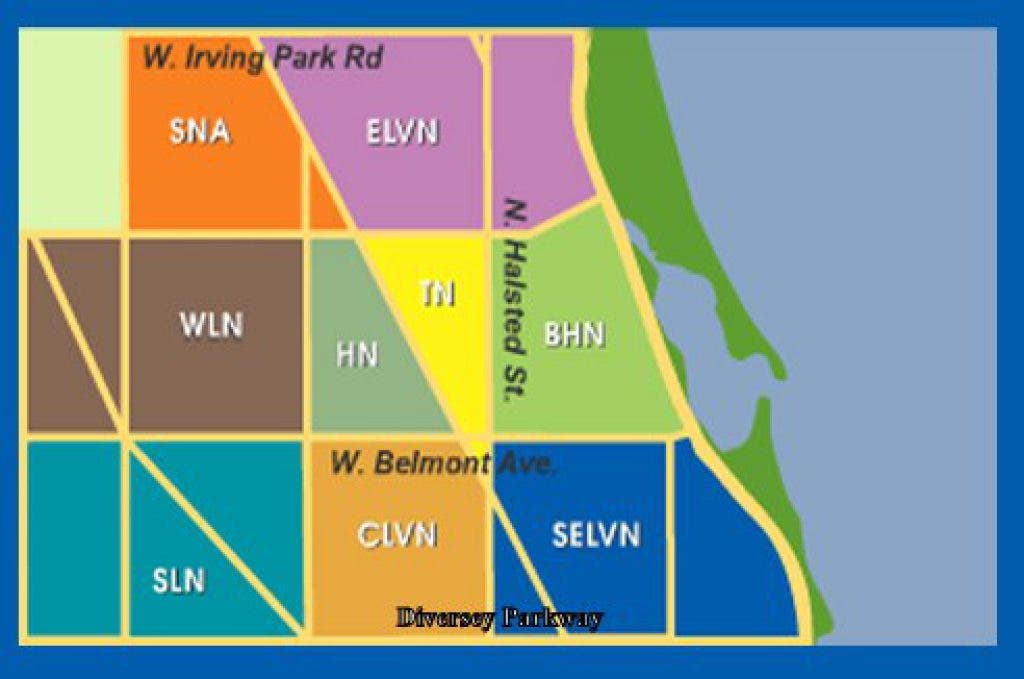
I live in the neighborhood of LakeView for the last 22 years and am member of a civic association within the neighborhood called Belmont Harbor Neighbors.
Find out what's happening in Lakeviewfor free with the latest updates from Patch.
Civic minded residents gather once a month to discuss issues that directly affect them. It could be a new restaurant moving into the area that may influence the area either in density, parking, trash smells, as well as noise that may affect someone’s backyard. Typically, the owner of the new restaurant or a developer of new/rehabbed site will be asked by the association president to speak to the members of the association to ask questions.
After developed presentation to the members of the association and then members vote on it based on what they heard. The result of the vote is sent to the alderman for review. Sometimes the alderman will visit or at least the ward representative along with Director of the Chamber of Commerce.
Find out what's happening in Lakeviewfor free with the latest updates from Patch.
Now a historical sampler: The residents of LakeView have been a feisty bunch since the 19th century. In 1874 residents physically uprooted train rails that divided their subdivision. The papers at the time called it the Battle of Lake View that resulted in an Illinois Supreme Court case. The residents won.
In 1896 residents organized and helped close an amusement park that housed the world famous ‘Ferris Wheel’ of the Columbia Exposition of 1893, once located in a residential area populated with stately mansions.
In the 1950s when the neighborhood was engulfed with the issue of transient buildings called 4+1s that replaced several of the mansions of the early 20th century the residents protest again. The residents won. Prostitution and arson plagued the neighborhood in the 1970s. This time the residents established permanent associations within the neighborhood under the umbrella name of Lake View Citizens Council that was established in 1952. The Council ended the spread of these non-family buildings with the city council vote.
Within this council there are nine associations that gather, discuss, vote, and advice the alderman of issues that directly concern them. Sometime the associations win a battle or two but only if the membership - votes during aldermanic races are large and vocal enough, much like the years of 1874, 1896, and 1952.
Like I stated, these associations are the backbone of ‘freedom of assemble’ and democratic action within LakeView. Without the advice and consent from the membership of these small associations the character of the neighborhood of LakeView may have been completely different today.