Health & Fitness
Cold Weather Poses Probable Dangers - 3 Tips to Keep Seniors Safe this Winter
Cold weather causes many potential dangers to senior citizens and our elderly community. Falls and hypothermia are among some of the most common, yet also most preventable risks. Keep reading to learn the easy things you can do to help seniors.
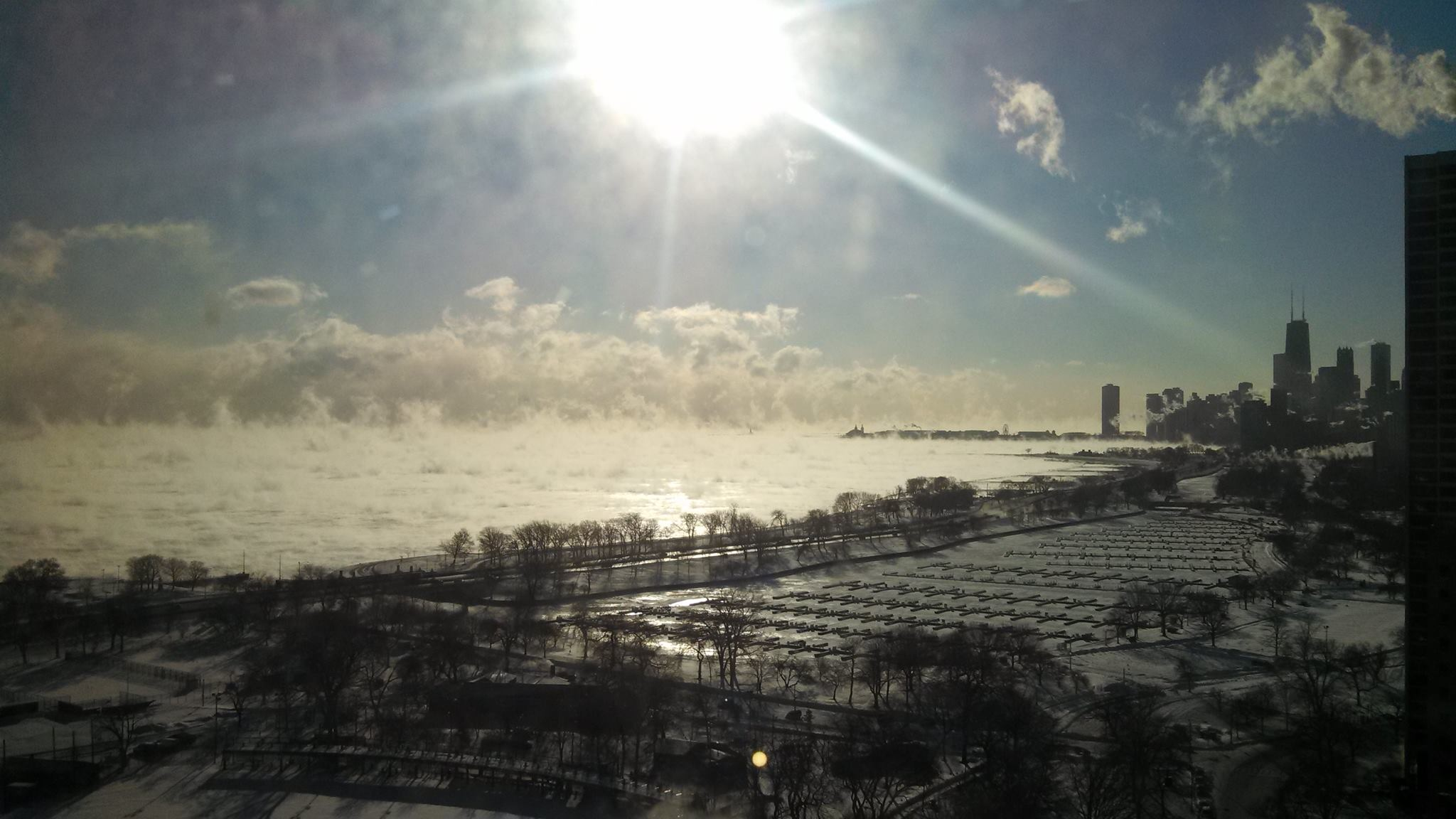
While frigid temperatures and extreme weather poses potential hazards to everybody, this is especially true for members of our elderly community who may be living at home and alone.
Senior care experts at Home Instead Senior Care are urging families to make sure their seniors are prepared to weather winter storms. Given the record setting weather we’ve already experienced, and considering the current forecast for more snow fall this weekend, why not take the initiative now and brush up on cold weather safety tips?
“Winter can be a difficult time, as the harsh conditions especially impact seniors,” said Jeff Huber, president of Home Instead, Inc. “We want to make sure seniors and their loved ones are aware of simple ways they can stay safe and warm throughout the season.”
Find out what's happening in Lakeviewfor free with the latest updates from Patch.
Those over the age of 65 account for nearly half of all hypothermia deaths, noted a recent Home Instead winter weather advisory. As the body ages, the ability to maintain a normal internal body temperature decreases, creating insensitivity to moderately cold temperatures.
Seniors may not realize they are putting themselves at risk until symptoms appear. Hypothermia symptoms include: shivering, exhaustion and confusion; fumbling hands, memory loss, slurred speech, and drowsiness. If symptoms are present, immediate medical attention is necessary!
Find out what's happening in Lakeviewfor free with the latest updates from Patch.
The leading cause for hypothermia in the elderly population is due to poorly heated homes, which is entirely preventable. Follow these simple tips to ensure a warm household:
Staying Warm:
· Keep the thermostat at 65 degrees, at least. Consistently check it to make sure the home is sufficiently warm. Safety should be the #1 priority, despite heating costs that are on the rise.
· Put a carbon monoxide detector near sleep areas.
· Ensure that there is adequate insulation, and check and clean the fireplace and furnace. Furnace filters should be replaced monthly.
· Minimize drafts by filling old socks with sand and using them in drafty windowsills and door jams. Weather-strip around windows and doors. Keep doors to unused rooms closed and close curtains at night.
· Add an extra blanket to the bed and warm the bed in advance with a hot water bottle. Never use an electric blanket – it may be difficult to operate the controls if the temperature needs to be adjusted in the night.
· Dress in layers of loose fitting clothing. If you go outside, make sure your head is covered.
Every year, more than 1.6 million seniors end up in the emergency room because of a fall. With icy conditions, the chances of falling are even greater. We can assume that the current icy conditions will not be changing anytime soon, especially with the varying temperatures causing rain and snow to turn into ice. Whether we can see the ice or not, we should be aware that the pavement is slippery and take necessary precautions.
Preventing Falls:
· Take a couple minutes per day and stretch your limbs in order to loosen muscles.
· Stay inside – make arrangements for someone to shovel and salt driveways and walkways. Professional caregivers can assist with to-do items, such as bringing in the mail and/or picking up groceries.
· Wear shoes or boots with a non-skid sole.
· Have handrails installed on outside walls for frequently used walkways.
· If you use a cane or walker, check the rubber tips to make sure they are not worn smooth.
Winter weather can take a toll on everyone, most importantly seniors. Seasonal Affective Disorder (SAD) can occur in seniors and impact their emotional health. Some signs to watch for with SAD include: a loss of energy, an increased appetite, and an enhanced feeling of lethargy and tiredness. Talk to your primary medical provider about treatment options if you are experiencing such symptoms.
Additionally, winter storms can be unpredictable. It is important to be prepared in case of an emergency.
Build a Network:
· Stay in touch with family, friends, and neighbors. Schedule phone calls, or enlist the help of a professional caregiver to come in for a minimum of a few hours per week.
· Make arrangements for assistance in case of a blizzard or power outage. Keep important numbers in an emergency kit, along with non-perishable foods, water and medications.
· Be familiar with your local resources. Visit ready.gov/seniors, noaa.gov, or redcross.org for more information about cold weather hazards and tips.
To learn how Home Instead Senior Care can assist you or your loved ones in the cold weather, visit homeinstead.com.