Neighbor News
Learning from others is the ultimate best practice
Advocate Illinois Masonic gastroenterologist speaks at national meeting
Advocate Illinois Masonic Medical Center has led the way in the state and the nation in the American Cancer Society’s quest to achieve “80% by 2018” – screening 80% of eligible adults for colon cancer by 2018. Now, the Advocate Illinois Masonic team aims not only to improve upon their initial success but to help and learn from others as well.
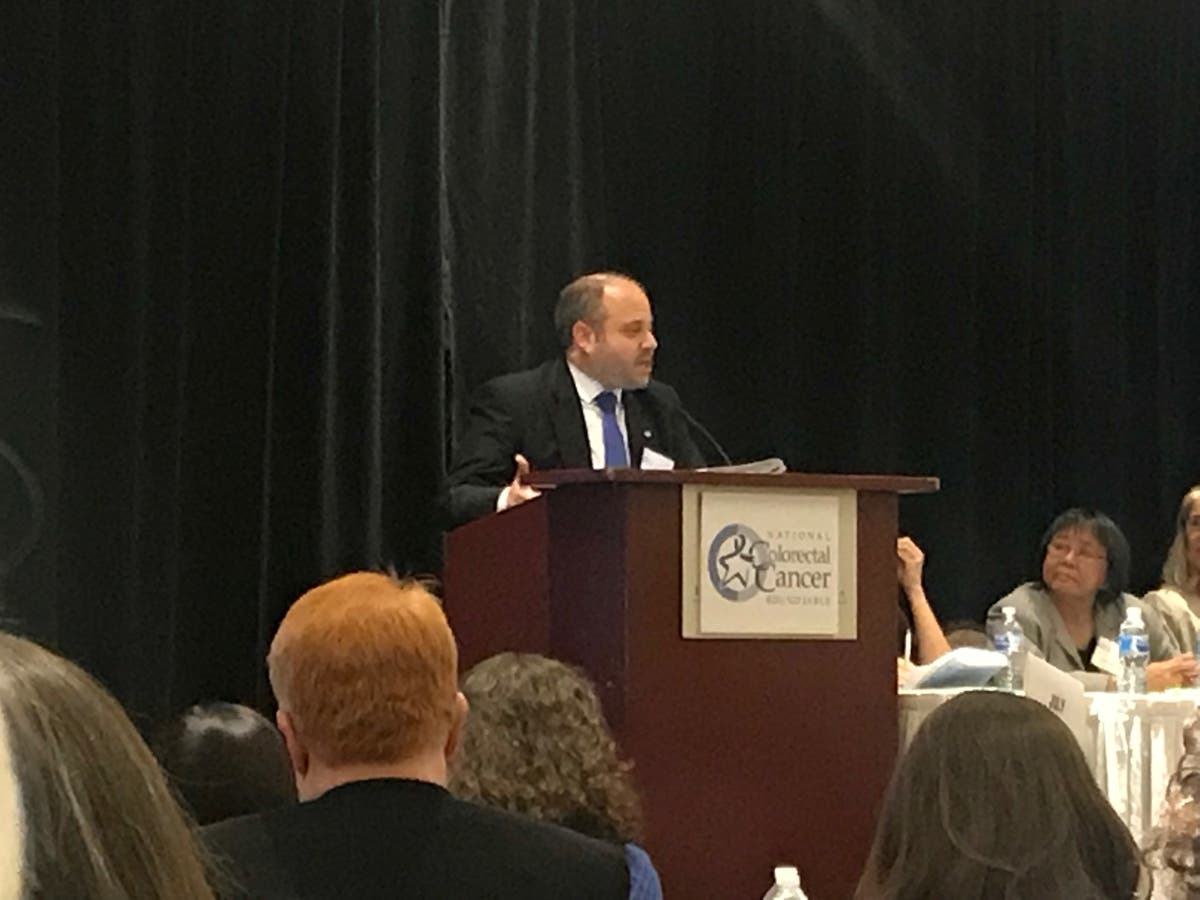
That’s why Dr. Andrew Albert, gastroenterologist and Medical Director of Digestive Health at Advocate Illinois Masonic Medical Center, was honored to be welcomed as a speaker at the National Colorectal Cancer Roundtable’s annual meeting this month.
“Being around like-minded people who are dedicated to a cause is awe-inspiring,” says Dr. Albert. “Immersing yourself in an environment where people share lessons learned enables you to reach beyond your current understanding. It’s exciting to experience your network expand with experts who share your passion and meet others who have an interest in what you’re doing. But, the biggest take-away is that we don’t have all the answers. Ultimately, opening our minds and learning from others is the ‘best practice.’”
Find out what's happening in Lakeviewfor free with the latest updates from Patch.
At the annual meeting, Dr. Albert stressed how far the Digestive Health program at the hospital has come in recent years, when the colorectal cancer screening rate for those aged 65 and older in 2014 at Advocate Illinois Masonic was just 17 percent.
“Originally there was a significant delay in screening colonoscopy and an inability to reach those who hadn’t been screened,” says Dr. Albert. “It was also challenging to reach those attributed to Advocate with regard to meeting measures set by payers for screening. Direct Access Screening Colonoscopy created a win/win for all stakeholders involved in the colon cancer screening process. Changes in the workflow were necessary, specifically the addition of a nursing navigator to facilitate communication with patients and execute the screening test with ease.”
Find out what's happening in Lakeviewfor free with the latest updates from Patch.
That critical game-changer, the Direct Access Screening Colonoscopy (DASC), came in July 2015. DASC is an offering that reduced patient wait times, increased access and provided a fully guided, coordinated experience for patients. After just one year, the colorectal cancer screening rate for those 50 – 65 years of age rose 29 percent resulting in a 59 percent screening rate, and the rate for those aged 65 and older rose 25 percent resulting in a 69% screening rate.
“What makes DASC unique is our approach to something often met with fear and apprehension,” says Dr. Albert. We “hold the patient’s hand” throughout the entire process. This also creates a safer practice environment as patients are screened more thoroughly prior to the procedure, minimizing the chance of an adverse outcome.”
All of these incredible efforts earned the Advocate Illinois Masonic team the National Colorectal Cancer Roundtable’s 2017 Grand Prize, a hallmark achievement for the program, the hospital and the passionate physicians and health care providers who made it happen. Dr. Albert and colleagues accepted the award in March 2017 in New York City, where they had the great opportunity to meet others making an impact in their communities.
And, of course, they’re not done yet! Dr. Albert estimates the Advocate Illinois Masonic screening rate is close to 70 percent now for both age groups, and the Digestive Health team continues to find new, innovative ways to spread their message. Dr. Albert even started an international social media movement, #BackOffColonCancer, to make people all around the world aware of the importance of screening.
His message is a simple one: Colon cancer can be prevented 95 percent of the time if caught early enough.
“In the past, doctors practiced in silos,” says Dr. Albert. “Now, we practice in a multi-disciplinary world involving even those outside of medicine, including the American Cancer Society. We can practice medicine smarter; we can practice better.”
Colon cancer is the third most commonly diagnosed cancer in men and women, according to the American Cancer Society (ACS). The ACS recommends that men and women at average risk for colorectal cancer should get a colonoscopy every 10 years starting at the age of 50, while people at higher risk may need to start earlier or get tested more frequently. You could be at risk if you have a personal or familial history of colorectal cancer or polyps or a personal history of inflammatory bowel disease. To learn more about potential risk and screening recommendations, visit the ACS website.