Schools
Coalition Aims to Curb Youth Substance Abuse
Group discusses findings of youth survey on alcohol and marijuana and ways for Lake Zurich youths to enjoy themselves without the use of alcohol or illegal substances.
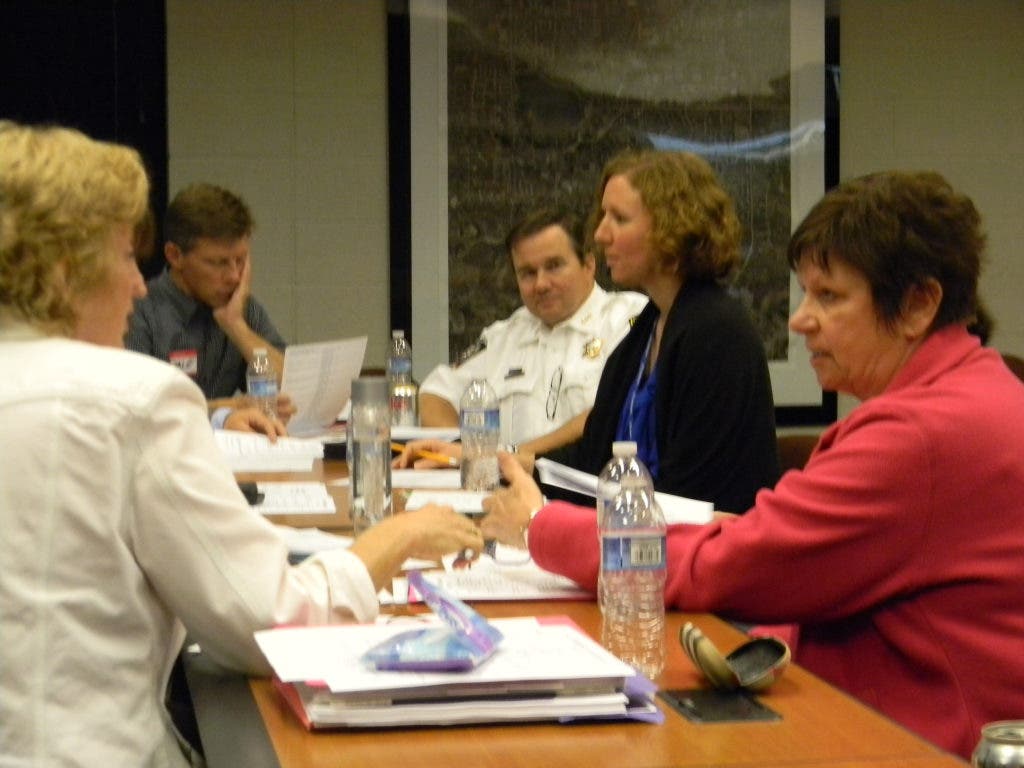


Since the summer of 2010, the has been meeting once a month, discussing the issue of alcohol and substance abuse among middle and high school students in .
“The vision and mission of the coalition is about working together to pursue a healthier and safer community,” said Chief Patrick Finlon.
The coalition held its most recent meeting on Sept. 20. The meetings are now being held in the training room at the . New members always are encouraged.
Find out what's happening in Lake Zurichfor free with the latest updates from Patch.
The group's leadership team consists of: Finlon; Liz Nelson, community health specialist with the Lake County Health Department; and Mike Egan, superintendent of . The group is a mix of concerned parents, college students, addiction counselors and other professionals.
One of the objectives of the coalition is to get an accurate assessment of the alcohol and substance abuse landscape among the youth of , and discuss how to implement various methods and programs that are both preventative and corrective. To that end, some of the meetings involve time spent brainstorming ideas that would appeal to middle and high school children.
Find out what's happening in Lake Zurichfor free with the latest updates from Patch.
“If they know that it’s coming from , they’re not going to get excited,” said Lisa Warren, president of the District 95 PTO.
After welcoming several first-timers to the group, Finlon recapped where last month’s meeting left off, when coalition members discussed strategies within the community to combat alcohol and substance abuse.
“There are different ways in which the community can get involved in a coordinated effort regarding the education, intervention and prevention of substance abuse among the youth of Lake Zurich,” said Nelson. “We need to figure out strategies that work for Lake Zurich.”
The group reviewed several reports, including a list of seven strategies for community change. Another report was a community assessment on both alcohol and marijuana use at the two middle schools and . Questions were posed to sixth-, eighth-, 10th- and 12th-graders. Here were some of the findings:
Alcohol
- While there were no disciplinary actions for middle school students during the 2009-10 academic year involving alcohol, there were 12 incidents involving high school students.
- 69 percent of eighth-graders believe they will be caught drinking by parents always or most of the time. Those figures were substantially lower for 10th-graders (33 percent) and 12th-graders (21 percent).
- 84 percent of 12th-graders believe alcohol is relatively easy to obtain, as do 77 percent of 10th-graders. The numbers fell sharply for sixth-graders (14 percent) and eighth-graders (38 percent).
- 97 percent of sixth-graders and 91 percent of eighth-graders feel it's wrong for a peer to drink alcohol regularly. Comparatively, 64 percent of 10th-graders and 42 percent of 12th-graders feel that way, according to the survey.
- Parents who check to see if their child has been drinking alcohol fell into the following categories: always (37.9 percent); most of the time (13.2 percent); sometimes (10.5 percent); and never (38.4 percent).
Marijuana
- While there were no disciplinary actions for middle school students during the 2009-10 academic year involving marijuana, 12 high school students were disciplined.
- 100 percent of sixth-graders believe their parents would find it wrong for their children to smoke marijuana. The percentages were similar for the other grade levels: eighth-graders, 99 percent; 10th-graders, 93 percent; and 12th-graders, 88 percent.
- 78 percent of 12th-graders believe marijuana is relatively easy to obtain, as do 69 percent of 10th-graders. Just 23 percent of eighth-graders and 2 percent of sixth-graders feel the same.
- 99 percent of sixth-graders believe it's wrong to smoke marijuana, as do 97 percent of eighth-graders, 70 percent of 10th-graders and 49 percent of 12th-graders.
- In the past year, the percentage of parents who have talked to their children about not using marijuana and other illegal drugs was: sixth-graders, 56 percent; eighth-graders, 58 percent; 10th-graders, 61 percent; and 12th-graders, 47 percent.
As the statistics clearly indicate, fear and apprehension concerning alcohol and drugs gradually decline as students advance through middle and high school, as do concerns regarding the social acceptance of alcohol and marijuana consumption. The perception of how difficult it is to acquire alcohol or marijuana declines gradually as well.
“It’s a lot easier to be able to reach out and change the behavior or habits of a middle school student than it is a high school student,” said Warren.
Part of the meeting involved the coalition splitting into two groups to strategize ways in which youth behavior can be changed so that alternative social outlets are less likely to include the possibility of drugs or alcohol. One group discussed identifying the inherent problems that go with alcohol abuse and the second group dealt with the same issues concerning marijuana.
Kareem Elefrangi, a 21-year-old college student from Schaumburg, joined the former group.
“If my parents talk to me about alcohol in January, am I still going to be thinking about the conversation in July or November?" he asked.
Elfrangi and several others discussed the importance of families having dinner together, which allows for a daily routine when parents and children can communicate with each other.
Another topic that was discussed involved getting the word out concerning Friday and Saturday night activities that preclude the possibility of drugs or alcohol for middle and high school students. One of the issues the group discussed is finding ways to combat boredom among kids and the feeling that there’s nothing fun to do. There was some discussion about talking to the about hosting more frequent Teen Nights, which are now held from 7 to 9 p.m. on the second Friday of every month.
“I think there’s other social activities on Friday and Saturday nights through area churches and other organizations,” said coalition member Warren Hines. “We just have to find out about them and get the word out.”