Politics & Government
Conditions Prime for West Nile Mosquitoes
Health experts say hot, stagnant water provides the perfect breeding ground; using insect repellant with DEET and getting rid of sitting water are key preventative tips.


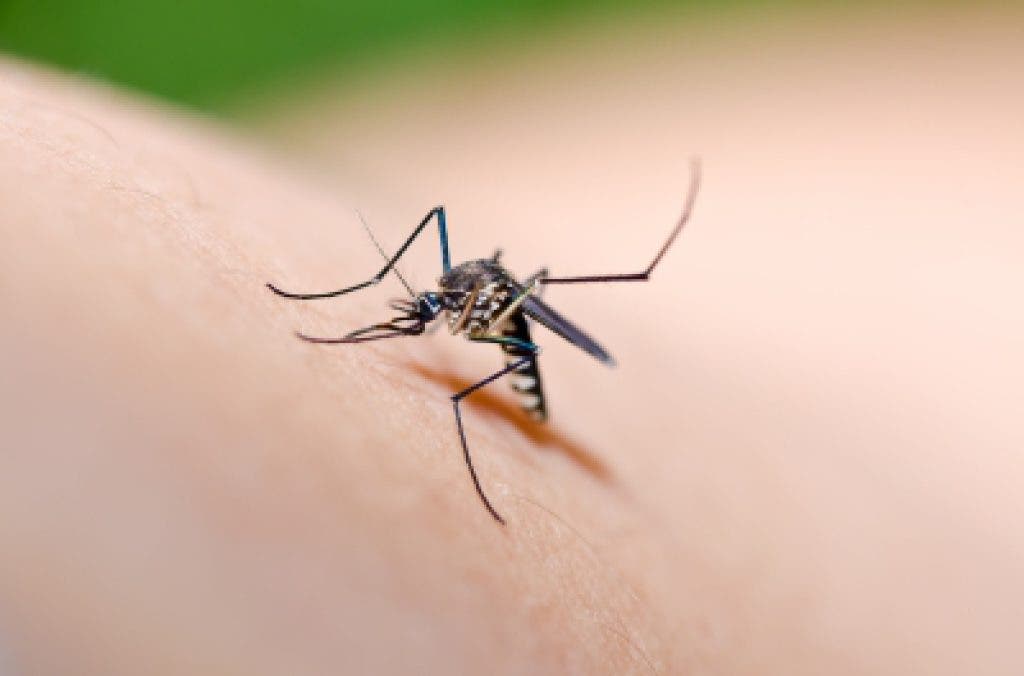
When it comes to mosquitoes that carry the West Nile virus, the hotter and more stagnant the water, the better the breeding grounds, experts said Wednesday.
So while we're not seeing a lot of "nuisance" mosquitoes because of the lack of rain, we may end up with more of the type that pose a serious health risk, especially to the old and those wirh compromised immune systems, said Elizabeth Bilotta, the county's environmental health director.
"Conditions are ripe for them to breed," Bilotta said. "We don't know the volume, we have no way of monitoring that ... but it has to be hot and dry for these types of mosquitoes (to breed)."
Find out what's happening in Lemontfor free with the latest updates from Patch.
It's still relatively early as far as the mosquito season goes, but health department traps have captured West Nile-carrying varieties in , , Joliet and other nearby towns, Bilotta said. Two birds in Will County have tested positive for West Nile, one in and the other in Joliet.
In Lemont, the infected mosquitoes were collected May 17 in unincorporated DuPage County, according to the Illinois Department of Public Health.
Find out what's happening in Lemontfor free with the latest updates from Patch.
Lemont Public Works Director Ralph Pukula said his department only sprays for mosquitoes within village limits, which does not include DuPage County.
"This happens almost every year; it's not abnormal," he said.
Pukula said Public Works has been using the larvicide Altosid since April to kill mosquito larvae. They have already begun their periodic summer sprays.
There is no need for alarm when it comes to West Nile, Bilotta said, but there is sense in taking precautions. For example, don't go out at night without wearing insect repellant containing DEET. Check around your property for such things as flower pot draining dishes or other items that might contain standing water. Don't let the baby pool sit out in the sun and start to get stagnant.
West Nile is a mosquito-borne virus transmitted through the bite of a mosquito that has fed on an infected bird, according to the U.S. Centers for Disease Control. If bitten, most people will have no symptoms or will experience very mild symptoms -- fever, headache, body aches, swollen glands or a skin rash.
Fewer than 1 percent of infected people with West Nile develop severe
symptoms, such as headache, high fever, neck stiffness, stupor, disorientation,
coma, tremors, convulsions, muscle weakness, and paralysis. People older than 50 or who are immunocompromised, such as transplant patients, have the highest risk of severe disease.
Precautions include:
- Whenever outdoors between dusk and dawn, wear shoes and socks, long pants, and a long-sleeved shirt. Loose fitting, light-colored clothing is best. Consider staying indoors at dusk and dawn, which is peak mosquito biting time.
- Apply insect repellant to exposed skin when outdoors. The most effective repellents contain DEET. Use caution when applying repellant to children. Products containing 10 percent or less DEET are the most appropriate for children from 2 to 12 years of age.
- Install tight-fitting window and door screens. Check for, and repair, any tears in residential screens, including porches and patios. Try to keep doors and windows shut, especially at night.
- Reduce or eliminate the amount of standing water around your home. Remove old tires, tin cans, flower pots and buckets, and change the water in birdbaths at least once a week. Any container holding water for more than four days can become a breeding ground for thousands of mosquitoes.
- Keep gutters clear of debris.
- Keep grass cut short and shrubbery well trimmed around your home.
- Eliminate yard ruts and puddles.
- Aerate ornamental ponds or stock with larvae eating fish.
- Use Bacillus thuringiensis israelensis (Bti), available in hardware stores, in any standing water around your home.
Clean and chlorinate swimming pools, outdoor saunas, and hot tubs regularly.
For more information, check out the CDC's West Nile information Web site at www.cdc.gov/ncidod/dvbid/westnile/index.htm.
- - - - - - - - - - - - - - -
There are plenty of ways to keep up on news:
Get more local news delivered straight to your inbox. Sign up for free Patch newsletters and alerts.