Health & Fitness
The Calorie Myth
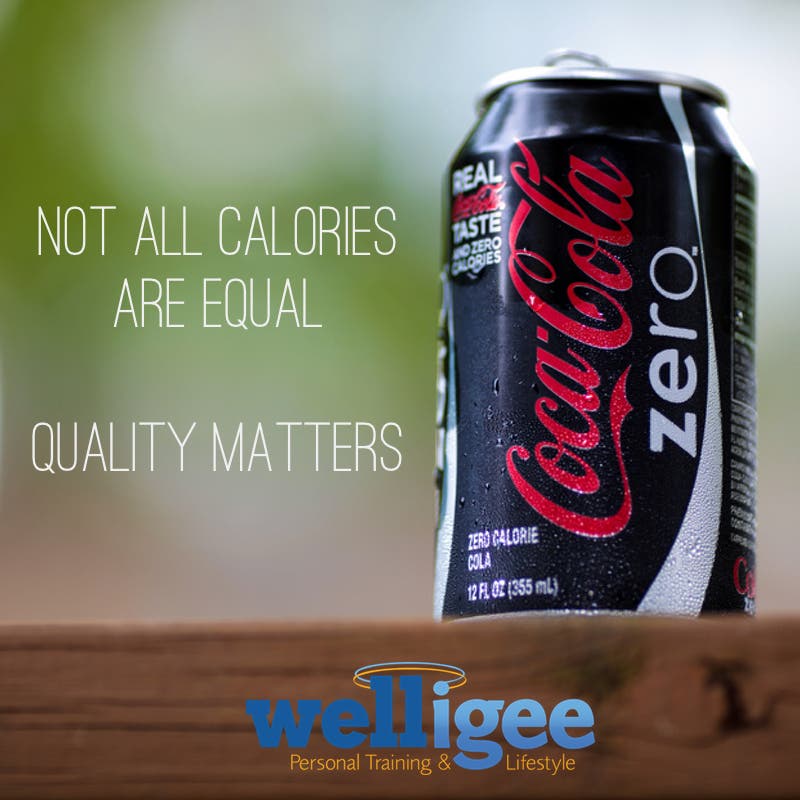
We may think we are doing our bodies a favor by cutting the number of calories, but we are loading it with products that harm our health.

By Amanda Adams-Welligee Coach
What does one apple, a half cup of vanilla frozen yogurt, two ounces of chicken breast and a snack size bag of pretzels have in common? They all clock in approximately 100 calories per serving. So this means they all play the same part when it comes to watching our diet, right? Wrong!
Counting calories is one of the top strategies in the weight loss world. We are led to believe that if we manage to stay under a certain amount of calories per day, our weight loss (or maintenance) goals will undeniably be met. One major factor this strategy neglects is WHAT exactly is being consumed. I think most of us would agree that the half cup of vanilla frozen yogurt and apple from the previous example do not measure up equally on the nutrition scale, so why do we think we can count them as one in the same in our diet? Time to refocus the attention on quality over quantity.
A higher calorie food that contains natural ingredients and provides nutrients such as fiber, protein, and an array of vitamins and minerals is a much better choice than a lower calorie counterpart that fails to provide the same nutrients. Very often, these products marketed as low calorie contain high amounts of added sugars, white flour, and partially hydrogenated oils. We may think we are doing our bodies a favor by cutting the number of calories, but in actuality, we are loading it with products that are creating destructive repercussions on our diet.
It is actually a fairly simple concept. Foods that are more nutrient dense, often with a higher calorie count, provide the body with the fuel needed to maintain satiation for longer periods of time. This is caused mainly by insulin release within the body. Ready for your 30 second science lesson? When the body takes in a lower calorie food marked with the common ingredients as listed above, blood sugar spikes and high amounts of insulin are released. What also occurs is an increase in fat storage caused by the elevated insulin levels in the body. Moral of the story, poor quality, low calorie foods = increased insulin release = increased fat storage. What this equation does not add up to is anything in the direction of weight loss.
In addition to increased fat storage, the body will soon crash from the surge in blood sugar, triggering hunger much sooner than a more nutrient dense product would. That mindful decision we thought we made to go with the low calorie, low nutrient snack is now leading to overeating later on. Not such a diet-helper now, is it?
Higher quality choices containing higher levels of protein and fat trigger the feeling of fullness to the brain, keeping us feeling satisfied longer and combating the overeating conundrum that accompanies the low nutrient choice. This is the same reason that the “low fat” version of common ingredients is not necessarily the best choice. It leaves the body feeling deprived of what it needs to feel satisfied and may cause the same pattern of overeating in order to compensate for the deficit.
My goal is not to give the idea that calories are 100% worthless. It is not about completely turning a blind eye on calorie count, rather, shifting the majority of the focus to a more important and informative marker of overall nutrition which is the quality of the foods we are taking in. Remember, when eating quality foods, we are feeding the body with what it needs for healthy functioning, providing optimal sources for fuel, and are less likely to overeat throughout the day. If you are looking for weight loss, maintenance, or just overall good health, this should sound much more appealing than finding yourself lost in a math equation of calories that alone is not going to add up to all it’s cracked up to be.
If you have more questions feel free to contact us at welligee@welligee.com