Health & Fitness
Combat loneliness and protect your health while social distancing
Because loneliness is closely related to feelings of isolation, connection is important.
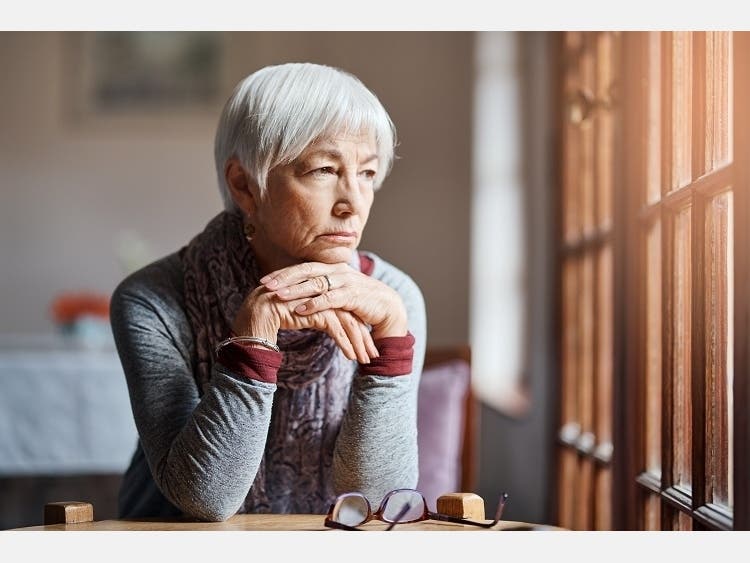
The outbreak of the coronavirus disease 2019 (COVID-19) has completely altered the way people live. Schools and businesses are closing. People are being asked to stay home and practice social distancing.
Even before COVID-19 made headlines, people didn’t need to leave home for much — not to shop, not even to socialize.
Despite the online conveniences and connectedness, there are a lot of lonely people. One in five Americans say they feel lonely or socially isolated. And it hurts.
Find out what's happening in Napervillefor free with the latest updates from Patch.
Loneliness poses a greater threat to health than obesity. It can be as damaging to health as smoking 15 cigarettes a day. How?
Research suggests loneliness impairs health by raising levels of stress hormones and triggering an inflammatory response, which in turn can increase the risk of heart disease, arthritis, type 2 diabetes and dementia, among other issues. Feeling lonely can also lead to anxiety and depression.
Find out what's happening in Napervillefor free with the latest updates from Patch.
The prevalence of loneliness typically peaks in adolescents and young adults and then again in older adults, with seniors being most affected. An estimated 43 percent of seniors feel lonely on a regular basis.
Because loneliness is closely related to feelings of isolation, connection is important. Friendships and social support — which are good for health — can help break the cycle of loneliness. How people perceive their level of connectedness to others tends to matter most, with emotionally rewarding relationships being most beneficial.
Here are 10 ways to combat loneliness and protect health:
- Make daily connections. Schedule the day so you have a sense of purpose and avoid isolating yourself. Commit to having some type of emotional connection or contact with someone else each day. Since no one is going out, text, call or Skype. Meet (virtually) with a friend for coffee.
- Grow your support network. Social isolation can worsen loneliness. Reach out to others, including friends, family, places of worship, senior/community centers, local libraries and other community resources to grow an (online) network.
- Find a new hobby or activity you enjoy. Take up a new activity or sign up for an (online) class — painting, yoga, swimming, dance, cooking, music, meditation — anything enjoyable, and meet others with similar interests.
- Adopt a pet. A growing amount of evidence suggests an association between pet ownership and better health. Some hospitals even incorporate animal-assisted therapy to help people cope with health problems.
- Volunteer. There’s something about giving back and helping other people that makes us healthier. Helping others through volunteering can also help combat loneliness.
- Find ways to laugh. Laughter is good medicine. It can help improve your outlook and well-being. Watch funny movies or videos, look at funny photos, read comic strips or jokes.
- Practice self-care. Eat well, get good sleep, exercise regularly and avoid unhealthy habits. Spend time in nature. Taking care of yourself can improve your outlook.
- Keep a gratitude journal. Journaling allows people to separate their feelings on paper. The act itself can be therapeutic. Use your journal to track things that inspire gratitude, a practice that can boost your mood and make you happier.
- Join a support group. Support groups are a great way to meet people in a similar situation, share ideas and gain a sense of togetherness. Feel connected from home by joining an online support group.
- Seek help from professional counselor. A therapist can help people work through feelings of loneliness and develop strategies for reconnecting with others. If someone is dealing with a co-occurring mental health condition, it is even more important to seek professional help. Some therapists are offering telehealth appointments.
It is okay to feel sad and lonely from time to time. But when these feelings prevent people from living their lives, then it’s important to seek help sooner rather than later.
For more information, visit www.eehealth.org/services/behavioral-health or call 630-305-5027 for a free behavioral health assessment.
Check updates on COVID-19, including Edward-Elmhurst’s visitor policy, at www.EEHealth.org/coronavirus.