Health & Fitness
How COVID-19 can mimic gastrointestinal cancer
A recent study in the United States showed that two-thirds of patients with COVID-19 experienced some type of stomach or GI symptom.
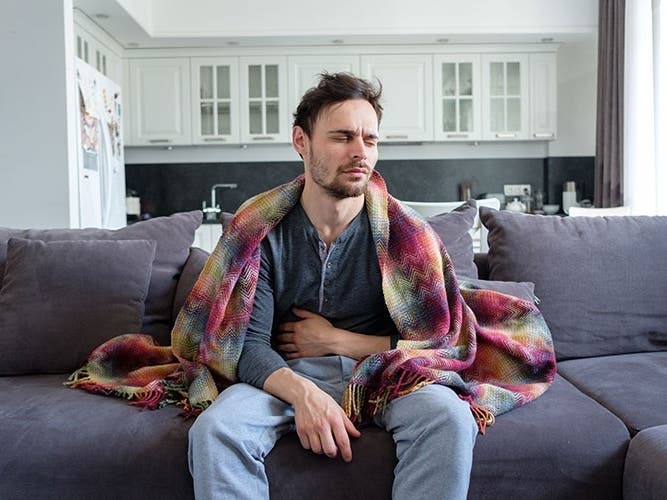
As more is learned about COVID-19, experts say gastrointestinal (GI) symptoms such as diarrhea or nausea can be early warning signs of the virus.
A recent multi-hospital study in the United States showed that two-thirds of patients with COVID-19 experienced some type of stomach or GI symptom. Some early reports from China also indicated that nearly half of COVID-19 patients also had some GI symptoms.
Individuals with gastrointestinal or stomach cancer may not only experience more severe GI symptoms with COVID-19, they may also have difficult ascertaining if their symptoms are due to the cancer or COVID-19. Many people with cancer also experience diarrhea, nausea or vomiting during their cancer treatment.
Find out what's happening in Napervillefor free with the latest updates from Patch.
According to the Centers for Disease Control and Prevention (CDC), symptoms of coronavirus may develop within 2 to 14 days of exposure. Symptoms of COVID-19 may include:
- Fever or chills
- Cough
- Shortness of breath or difficulty breathing
- Fatigue
- Muscle or body aches
- Loss of taste or smell
- Sore throat
- Congestion
- Nausea, vomiting or diarrhea
It’s worth noting that GI symptoms such as nausea, vomiting or diarrhea are so common among people with cancer that many also see a gastroenterologist to help deal with their symptoms.
Find out what's happening in Napervillefor free with the latest updates from Patch.
Additional symptoms of GI cancer include:
- Feeling full or bloated after eating a small amount of food
- Bloody stools
- Stomach pain
- Changes in bowel movements
- Unexplained weight loss
- Problems swallowing
While it may be difficult to tell if GI symptoms are due to cancer or a COVID-19 infection, people should contact their doctor immediately if they are experiencing any symptoms. If they believe they have been exposed to someone with COVID-19, they should be sure to alert their physician so they can properly prepare for the office visit.
Because cancer patients are at higher risk for COVID-19, experts urge them to take extra caution. The CDC recommends frequent hand washing, covering your cough or sneeze, wearing a face mask, routine wiping down of frequently-touched hard surfaces in your home, practicing social distancing and avoiding large crowds to help prevent the spread of the virus.
For updates on COVID-19, check EEHealth.org/coronavirus.