Neighbor News
A malicious weed that can chase away home buyers
Knotweed is a seemingly steroid-fueled scourge. While not a problem for Chicagoland now, it's growing prevalence makes it a looming threat.
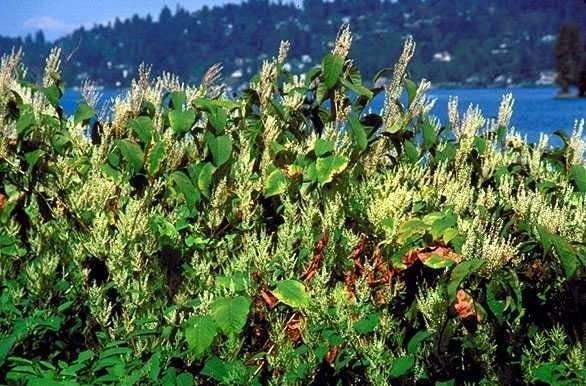

In England, you cannot get a mortgage for a property if Japanese knotweed is found on the grounds. Well, not until an expensive ($10-20k through a contractor) and extensive removal process is followed.
It’s not that the invasive menace is a health danger, it’s that the plant cannot be killed by simply removing the part of the plant you see—you have to remove ALL of it. Every last piece of the root and stem. Its expansive and potentially deep root system make it nearly impossible for the average gardener to know when they’ve killed off the entire thing. And leaving just a part of the root system in the ground allows knotweed to grow clumps of new shoots at numerous other ends, which could be up to 40 feet away from where the last clump of asparagus-like shoots were found. Even a finger’s length of root left in the ground can grow a new plant!
That resiliency can make homeowners see it as the thing that just won’t die!
Find out what's happening in Napervillefor free with the latest updates from Patch.
If it expands to reach any structures on the property, it will find cracks and gaps to push its way inside. Push is a kind word as knotweed can push its way through asphalt. It is questionable that it would cause structural problems, but it will certainly exploit and exacerbate structural weaknesses. Ultimately, it drives down property values because no buyer who knows about it will want the nightmare job of removing it. Because of how prodigiously the roots grow, even having it on your neighbor’s property could spell trouble when you go to sell yours.
The plant, which can grow some 2-4 feet in a week (in ideal conditions) and up to 10 feet tall, will not stop at a few shoots. A small clump will become a wide thicket! Before you know it, it will take over your entire yard if left unchecked, smothering and killing off other species who lose the race to retain access to sunlight. That rate of virally rampant growth and its ability to withstand most efforts to remove it have earned the weed an undesirable distinction: that of being listed as one of the world’s worst invasive species by the World Conservation Union.
Find out what's happening in Napervillefor free with the latest updates from Patch.
Want to kill it? Your first impulse might be to grab some Roundup and spray aggressively. That ought to work for the clump you find, but you’ll have to track down the rest of the shoots and keep reapplying for up to five years before you can feel safe. Mow it? No—you’ll only spread bits around that could take root. And any pieces poured out of your grass catcher might start to regrow once the grass around it composts.
What you can do is this:
• Cut the weed down to the ground and cover the area with black tarps for an extended period of time—as in, months. Expect some shoots to grow under the tarp at first, which can be trampled down.
• Spray cut stems with a glyphosate weed killer. If you’re concerned about overspray harming neighboring plants, then inject the weed killer into the bamboo-like stems. Spraying the plant is even more effective when it’s flowering late in the season. Let it leaf out at this time before applying, then the plant will carry the weed killer to the roots. FYI, don’t plan to grow vegetables in any soil contaminated by glyphosate.
• Dig up every inch of the roots, which are know as rhizomes as they tend to grow horizontally and put out numerous upward shoots as they spread. More established plants will have a thick rhizome clump. Trouble is, mature roots can go 10 feet deep, so truly finding every inch could be more than any one person can possible manage. What you find should not be composted or simply tossed in a yard waste bag. Either bag them securely before disposal, burn them or set them out on concrete to be baked by the sun. Expect to see new shoots appearing from roots you did not discover up to a few years later(!).
• If you find some in your yard, examine the ground in a 40-foot radius for more shoots, even if this takes you into your neighbor’s yard. Attack every last shoot you find and reset your 40-foot radius from that point! A large, well-established knotweed root network could cover two acres. So you might have found the first appearance of a new plant after it was brought into your yard (such as if you had dirt delivered), or the leading edge of a mature plant’s root network that started several houses down from you.
• Eat it! When it’s young and soft it’s edible, nutritious and tastes like a lemony rhubarb. After that, it gets woody and unpalatable. You can simmer the shoots in a pot with water, sugar and cut apples for 20 minutes. Other recipes suggest the roots and leaves can be used as well. That’s not likely to use up your supply of knotweed, but at least you get the satisfaction of knowing that you’re higher up on the food chain than this seemingly steroid-fueled beast.
• No one solution will ensure success, and eradication will require vigilance and repeated effort over several years.
Knotweed has taken hold in most states in the US, particularly in the Northeast and Pacific Northwest. Yes, that includes Illinois and that means the likelihood of coming across it will increase. So while it is not so prevalent in Chicagoland that we’re taking about it now, eventually we might have a hard time avoiding the topic.