Neighbor News
How to Choose the Right Athletic Shoes
Before you begin your Winter Workout at the Niles Family Fitness Center we want to make sure you have the right shoes for your workout

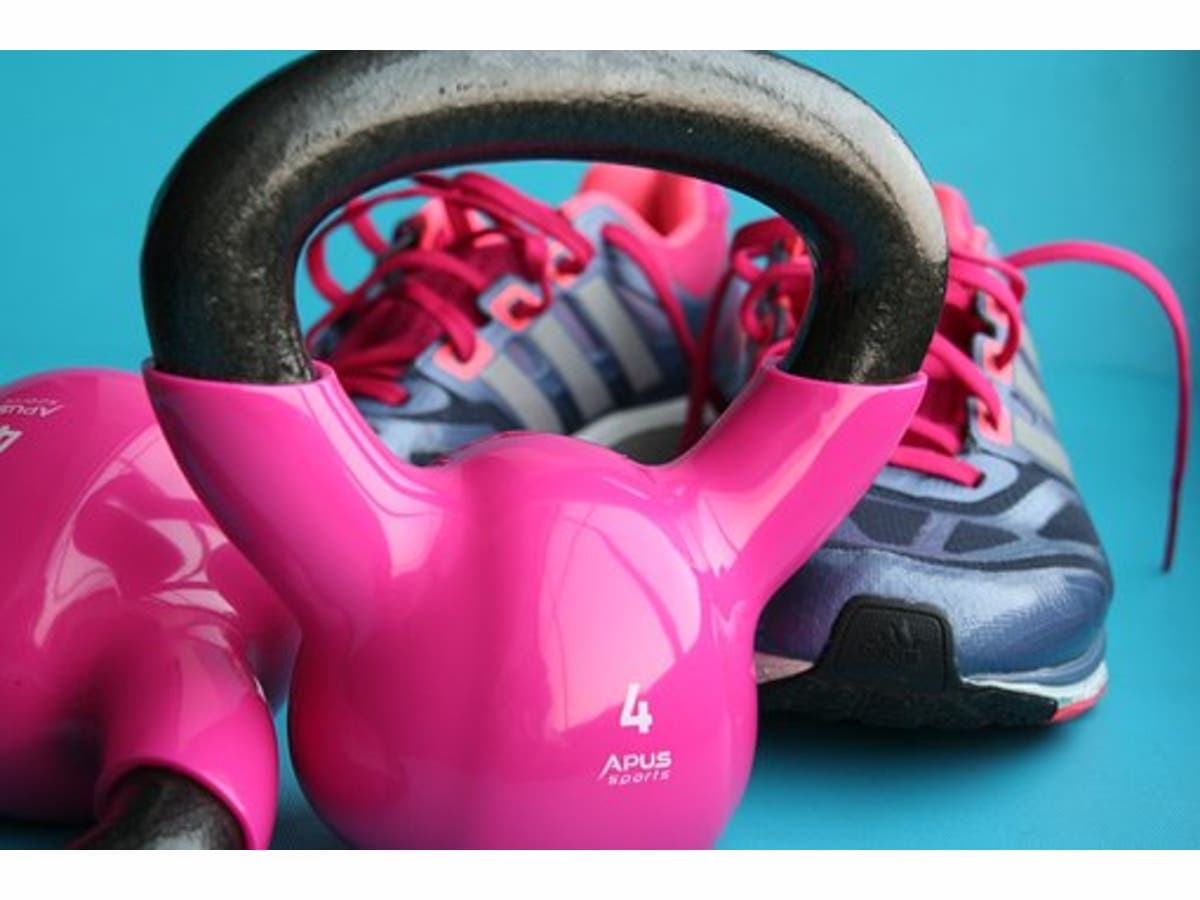
Before you begin your Winter Workout at the Niles Family Fitness Center we want to make sure you have the right shoes for the workout you choose. We have classes that are “fit for every BODY”
Give Danielle Desherow (Fitness/Group Express Coordinator) a call at 847-588-8400 or email her at did@vniles.com. She can give you up-to- date class information that fits your workout needs
How to Choose the Right Athletic Shoes
Find out what's happening in Niles-Morton Grovefor free with the latest updates from Patch.
Running Shoes Versus Cross-Trainers
Go with running shoes if you mostly jog or walk, since they’re engineered for heel-to-toe motion. Why not walking shoes? “Running sneakers cater to a wider range of foot types and are built to last longer,” says Megan Leahy, a doctor of podiatric medicine at the Illinois Bone & Joint Institute, in Chicago.
Find out what's happening in Niles-Morton Grovefor free with the latest updates from Patch.
Go with cross-trainers if your routine includes an activity like aerobics, weight training, or kickboxing (basically any exercise on a hard surface that involves side-to-side movement).
What’s Your Foot Type?
“Runner’s knee, plantar fasciitis, and early-onset arthritis are just a few problems that arise from exercising in the wrong sneakers,” says Louis Pack, a podiatrist in Greensboro, Georgia, and the author of The Arthritis Revolution ($24, lulu.com). In contrast, shoes designed to compensate for the impact of your feet can prevent injuries and improve structural alignment and performance. To determine your foot type: Have a podiatrist examine you, or get an idea yourself by looking at the soles of a pair of worn-in flats. “The wear patterns show where you’re putting pressure when you walk,” says Pack. Compare the red areas on the shoes at right to see which matches your own.
1. Top Outer Edge Worn
You’re a supinator (or underpronator). Supinators’ feet tend to have high arches and roll outward.
You need: Cushioning (also referred to, confusingly, as neutral ) sneakers for shock absorption.
2. Evenly Worn
You’re neutral and have an average gait with equal weight distribution across the foot.
You need: Stability or moderate-stability sneakers, which offer a balance of cushioning and support
3. Top Inner Edge Worn
You’re a pronator, which means your feet roll inward. Flat arches or low arches are common.
You need: Motion-control or high-stability sneakers to keep your feet better aligned with your legs.