Neighbor News
How Family Sponsorship for Green Cards Works
Family sponsorship for green cards is a vital pathway for reuniting families in the United States.

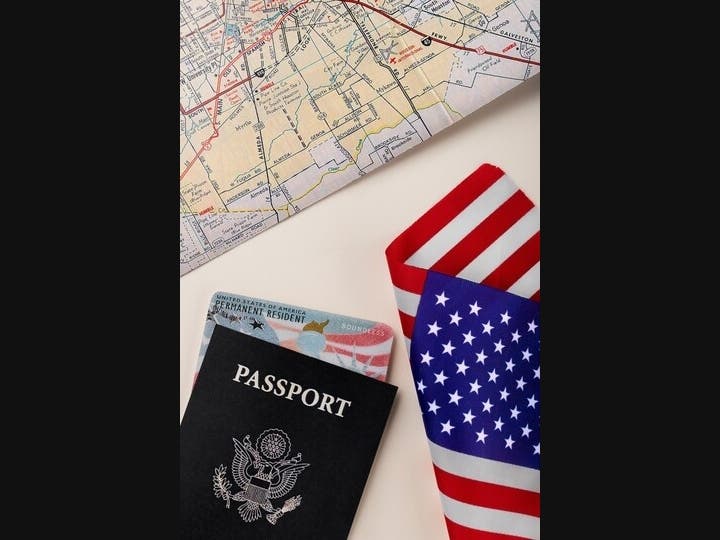
Family sponsorship is one of the most common pathways for obtaining a green card in the United States. It allows U.S. citizens and lawful permanent residents to sponsor their relatives for immigration. Understanding how family sponsorship works can help you navigate this process effectively.
Understanding Family Sponsorship
Family sponsorship is based on the principle that U.S. citizens and lawful permanent residents should have the right to reunite with their immediate family members. The U.S. immigration system prioritizes certain relatives over others, allowing for different categories of family immigration:
Immediate Relatives
This category includes spouses, unmarried children under 21, and parents of U.S. citizens. There is no annual cap on visas for immediate relatives, meaning they can typically immigrate to the U.S. without significant waiting times.
Find out what's happening in Northbrookfor free with the latest updates from Patch.
Family Preference Categories
This category includes other relatives of U.S. citizens and lawful permanent residents, such as:
- Unmarried adult children of U.S. citizens
- Spouses and children of lawful permanent residents
- Married children of U.S. citizens
- Siblings of U.S. citizens
Unlike immediate relatives, family preference categories have annual caps, which can lead to long waiting periods depending on the relationship and the applicant's country of origin.
Find out what's happening in Northbrookfor free with the latest updates from Patch.
Eligibility Criteria for Sponsors
To initiate the family sponsorship process, the U.S. citizen or lawful permanent resident (the sponsor) must meet eligibility criteria:
- Age Requirement: The sponsor must be at least 18 years old to file a petition for a family member.
- Citizenship Status: The sponsor must be a U.S. citizen or a lawful permanent resident. This distinction affects the types of relatives they can sponsor.
- Financial Stability: The sponsor must demonstrate that they can financially support the sponsored relative. This is typically done through Form I-864, the Affidavit of Support, which shows that the sponsor’s income meets or exceeds 125% of the federal poverty level for their household size. If the sponsor's income does not meet this requirement, they may need to find a joint sponsor.
The Application Process
The family sponsorship process involves several key steps:
Filing the Petition
The sponsor must file Form I-130, Petition for Alien Relative, with the U.S. Citizenship and Immigration Services (USCIS). This form establishes the relationship between the sponsor and the beneficiary (the relative seeking a green card). It’s essential to provide supporting documents, such as birth certificates, marriage licenses, and other evidence that verifies the familial relationship.
USCIS Processing
After submitting the petition, USCIS will process it. If approved, the petition will be forwarded to the National Visa Center (NVC) for further action, especially for family preference categories.
NVC and Visa Application
The NVC will notify the sponsor and the beneficiary about the next steps. The beneficiary may need to complete Form DS-260, the Online Immigrant Visa Application, and pay applicable fees. The NVC will also require financial documents from the sponsor to ensure they meet the Affidavit of Support requirements.
Interview at the U.S. Embassy or Consulate
For beneficiaries applying from outside the U.S., an interview will be scheduled at the designated U.S. embassy or consulate. The beneficiary must bring required documents and be prepared to answer questions about their background and relationship with the sponsor.
Adjustment of Status
If the beneficiary is already in the U.S. on a valid visa, they may apply for Adjustment of Status (Form I-485) instead of going through consular processing. This allows them to change their immigration status to permanent resident without leaving the U.S.
Challenges and Delays
While family sponsorship can be a straightforward process, several challenges may arise:
- Long Wait Times: Family preference categories often have extensive waiting periods due to annual visa caps. Applicants may wait years or even decades for their turn, depending on their category and country of origin.
- Financial Requirements: Sponsors must meet income thresholds to successfully sponsor a relative. If they do not meet the required income level, finding a joint sponsor can complicate matters.
- Immigration History: If the sponsored relative has a complicated immigration history, such as overstaying a visa or previous immigration violations, it could negatively impact their eligibility.
- Changes in Relationship: If the relationship changes—such as a divorce or death—after the petition is filed but before the green card is granted, it can affect the application.
The Role of Immigration Attorneys
Given the complexity of family sponsorship and the challenges involved, many individuals find it beneficial to consult with an immigration attorney. An attorney can provide guidance on the best strategy for your situation, assist in preparing the necessary documentation, and represent you during any legal proceedings if necessary. This professional support can help minimize errors and streamline the process.
Family sponsorship for green cards is a vital pathway for reuniting families in the United States. Understanding the eligibility requirements, the application process, and the challenges is crucial for a successful outcome. By being well-prepared and seeking professional advice when needed, sponsors and beneficiaries can navigate the immigration system more effectively, making the dream of permanent residency a reality. Whether you are a U.S. citizen or a lawful permanent resident, the journey toward bringing your loved ones to the U.S. can be fulfilling, albeit complex. Taking the right steps from the beginning will set the foundation for a smoother immigration experience.