Schools
Kids Plant Seeds of Future at Wescott School Garden
Kids Plant Seeds of Future at Wescott School Garden
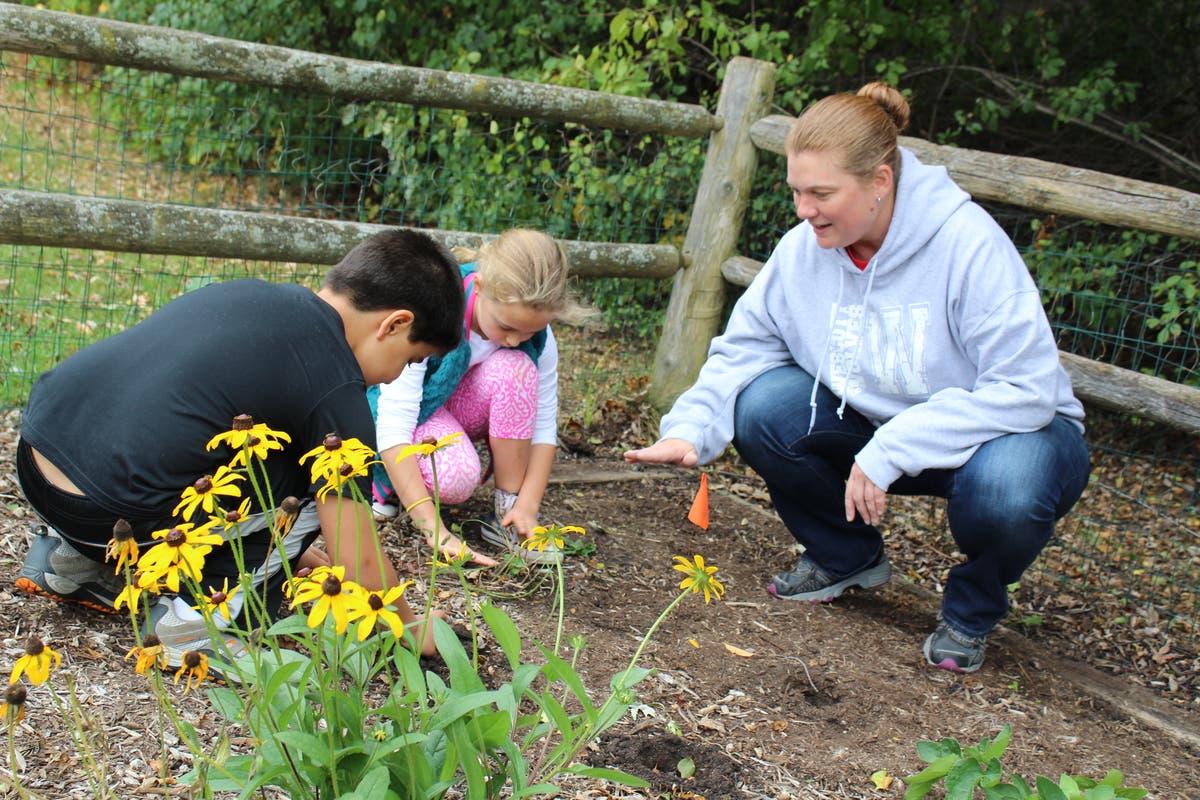

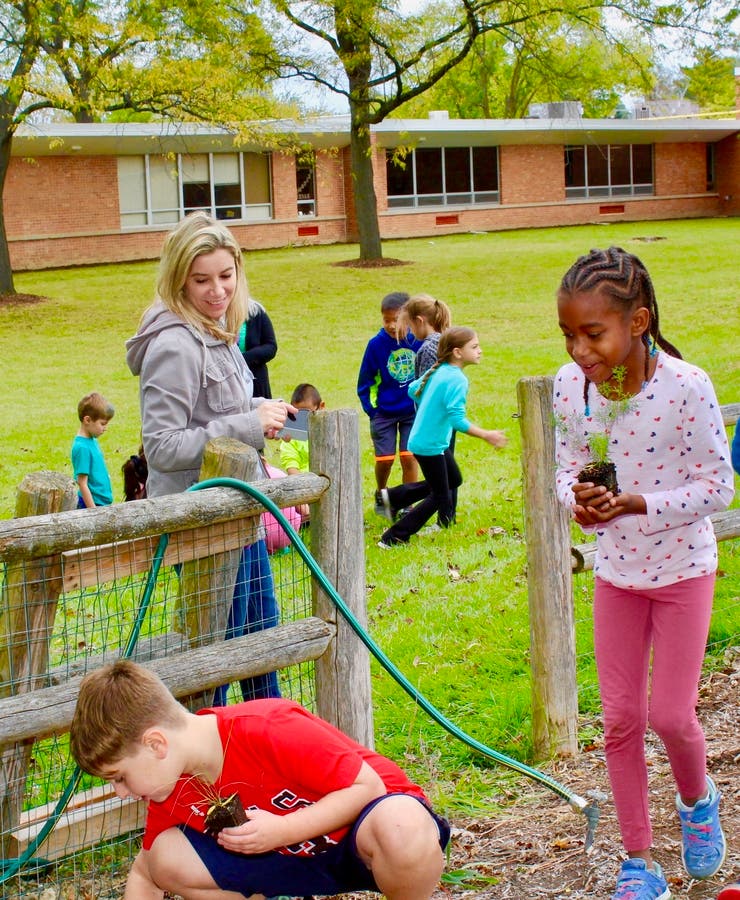
Wescott School first and third graders got their hands dirty, while they made a clean sweep of the new butterfly garden. They planted over 120 new prairie plants, with local expert Rob Suski and support from science teachers Kery Obradovich and Kristin Goss. The development of Wescott's new prairie butterfly garden is led by Dr. Melissa Hirsch, assistant superintendent of curriculum and instruction, with the district's Environmental Awareness Committee.
The purpose of transforming Wescott's former vegetable garden into the butterfly garden was to help save the endangered Monarch butterfly and other pollinating insects that are endangered. Rob Sulski with Foot Stone Inc. has been painstakingly planting low-profile native short grasses and butterfly food and reproduction perennial plant species, and managing the garden at Wescott since last spring.
First and third grade classes had the opportunity to participate in garden improvement, which complements their current curriculum. In first grade, students study the life cycle of the butterfly. In third grade, the kids learn about garden structure and the function of plants. On this cool October morning, each pupil inserted a plant into previously augered holes by Mr. Sulski.
Find out what's happening in Northbrookfor free with the latest updates from Patch.
Over 127 plants now reside in the garden and include the following species: Wisconsin Fast Plant (grows in record 38-40 days), Plant, Small Sun Drop, Purple Milkweed, Prairie Drops, Pale Spiked Rosetta, Purple Cornflower, Golden Alexanders, Prairie Cinquefoil, Small Skullcap, Little Bluestem, Black-eyed Susan, Nick Nells Sedge Prairie Plant, Prairie Panic Grass, Prairie Phlox, Smooth Blue Aster and Daisy Fleabane. Some of the plants, like the Small Sun Drop, was endangered, but Mr. Sulski carefully cultivated it in his own backyard, and years later, it is no longer on the endangered list. In the future, students will have a chance to collect seeds from these plants, enhancing further garden restoration and educational experiences.