Neighbor News
The Unseen Toll of Motorcycle Accidents
This article delves into the causes, consequences, and preventive measures associated with motorcycle accidents.

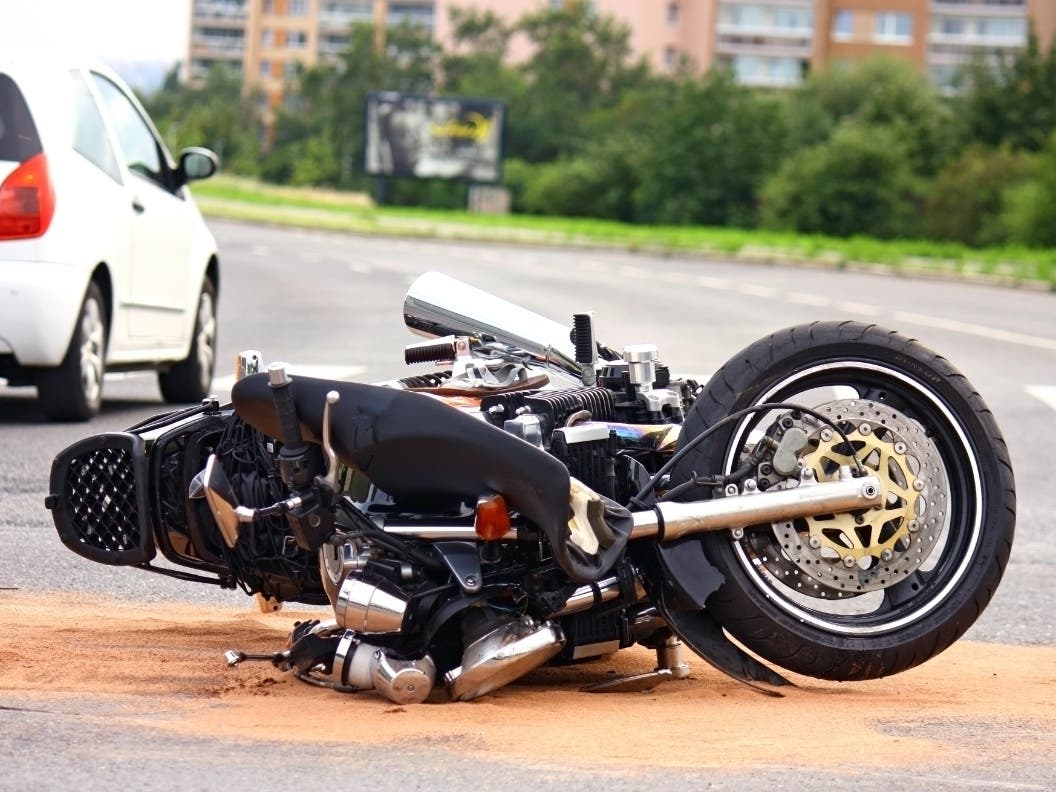
Motorcycle accidents are a serious concern on roadways globally, often resulting in severe injuries or fatalities. This article delves into the causes, consequences, and preventive measures associated with motorcycle accidents, shedding light on an issue that affects thousands of lives each year.
The Rising Concern of Motorcycle Accidents
Motorcycle accidents are disproportionately represented in traffic fatalities. According to the National Highway Traffic Safety Administration (NHTSA), motorcyclists are approximately 28 times more likely than passenger car occupants to die in a traffic crash per vehicle mile traveled. This stark statistic underscores the vulnerability of motorcyclists on the road.
Causes of Motorcycle Accidents
Several factors contribute to the high incidence of motorcycle accidents. Understanding these factors is crucial for developing effective prevention strategies.
Find out what's happening in Northbrookfor free with the latest updates from Patch.
Driver Inattention and Distracted Driving
One of the leading causes of accidents is the failure of other drivers to notice motorcyclists. This can be due to distractions such as mobile phones, in-car entertainment systems, or simply not paying enough attention. Motorcycles are smaller and less visible than cars, making them more susceptible to being overlooked.
Speeding
Both motorcyclists and car drivers often exceed speed limits, which reduces reaction time and increases the severity of collisions. For motorcyclists, the risk is even higher due to the lack of protective barriers that cars offer.
Find out what's happening in Northbrookfor free with the latest updates from Patch.
Alcohol and Drug Impairment
Driving under the influence of alcohol or drugs impairs judgment, coordination, and reaction times. According to the NHTSA, a significant percentage of fatal motorcycle crashes involve alcohol-impaired riders.
Road Hazards
Motorcycles are more sensitive to road conditions than cars. Potholes, gravel, wet surfaces, and other road hazards can cause a motorcyclist to lose control and crash.
Inexperience
Inexperienced riders are more likely to be involved in accidents. Lack of training and unfamiliarity with the bike's handling characteristics can lead to mistakes and misjudgments.
Mechanical Failures
Mechanical issues such as brake failures, tire blowouts, and engine problems can lead to accidents. Regular maintenance and checks are essential to ensure motorcycle safety.
Consequences of Motorcycle Accidents
The consequences of motorcycle accidents can be far-reaching, both physically and emotionally.
Physical Injuries
Common injuries from motorcycle accidents include fractures, head trauma, spinal cord injuries, and road rash. Due to the lack of protection, motorcyclists are more likely to suffer serious injuries compared to car occupants. Traumatic brain injuries are particularly concerning and often lead to long-term disabilities or death.
Emotional and Psychological Impact
The aftermath of an accident can lead to psychological issues such as post-traumatic stress disorder (PTSD), anxiety, and depression. The trauma of the accident, coupled with the recovery process, can take a significant emotional toll on victims and their families.
Financial Burden
The cost of medical treatment, rehabilitation, lost wages, and property damage can be overwhelming. Many accident victims face financial hardship due to the expenses associated with their recovery and the inability to work.
Impact on Families
The consequences of a motorcycle accident extend beyond the individual rider. Families often bear the emotional and financial burden, particularly in cases of severe injury or death.
Preventive Measures and Safety Tips
Reducing the incidence of motorcycle accidents requires a multifaceted approach, involving both motorcyclists and other road users. Motorcycle accident injuries can be mitigated by taking the following measures:
- Wear Protective Gear: Helmets are the most crucial piece of safety equipment for motorcyclists. According to the NHTSA, helmets are about 37% effective in preventing motorcycle deaths and about 67% effective in preventing brain injuries. Additionally, wearing protective clothing such as jackets, gloves, and boots can reduce the severity of injuries in case of an accident.
- Stay Visible: Motorcyclists should wear bright, reflective clothing and use their headlights, even during the day, to increase visibility. Positioning the bike in a lane where it is more likely to be seen by other drivers can also help.
- Follow Traffic Laws: Adhering to speed limits, avoiding aggressive driving, and obeying traffic signals and signs are essential for safety. Motorcyclists should also be aware of and anticipate the actions of other drivers.
- Avoid Riding Under the Influence: Alcohol and drugs impair a rider’s ability to operate their motorcycle safely. It's crucial to stay sober and alert when riding.
- Take a Motorcycle Safety Course: Safety courses provide valuable training on handling and maneuvering motorcycles, as well as defensive driving techniques. Many states require new riders to complete a safety course to obtain their motorcycle license.
- Regular Maintenance: Keeping the motorcycle in good working condition is critical. Regularly check the brakes, tires, lights, and other essential components to ensure they are functioning correctly.
- Ride Defensively: Motorcyclists should always assume that other drivers may not see them. Keeping a safe distance, being aware of blind spots, and being prepared to take evasive action can help avoid collisions.
- Adjust to Road and Weather Conditions: Adapting riding style to the current road and weather conditions is essential. Slow down in wet or icy conditions, and be cautious when navigating through road hazards.
Motorcycle accidents are a serious issue with far-reaching consequences. By understanding the causes and implementing preventive measures, both motorcyclists and other road users can contribute to safer roads. Awareness, education, and responsible behavior are key to reducing the toll of motorcycle accidents and ensuring that the thrill of riding does not come at the cost of safety.