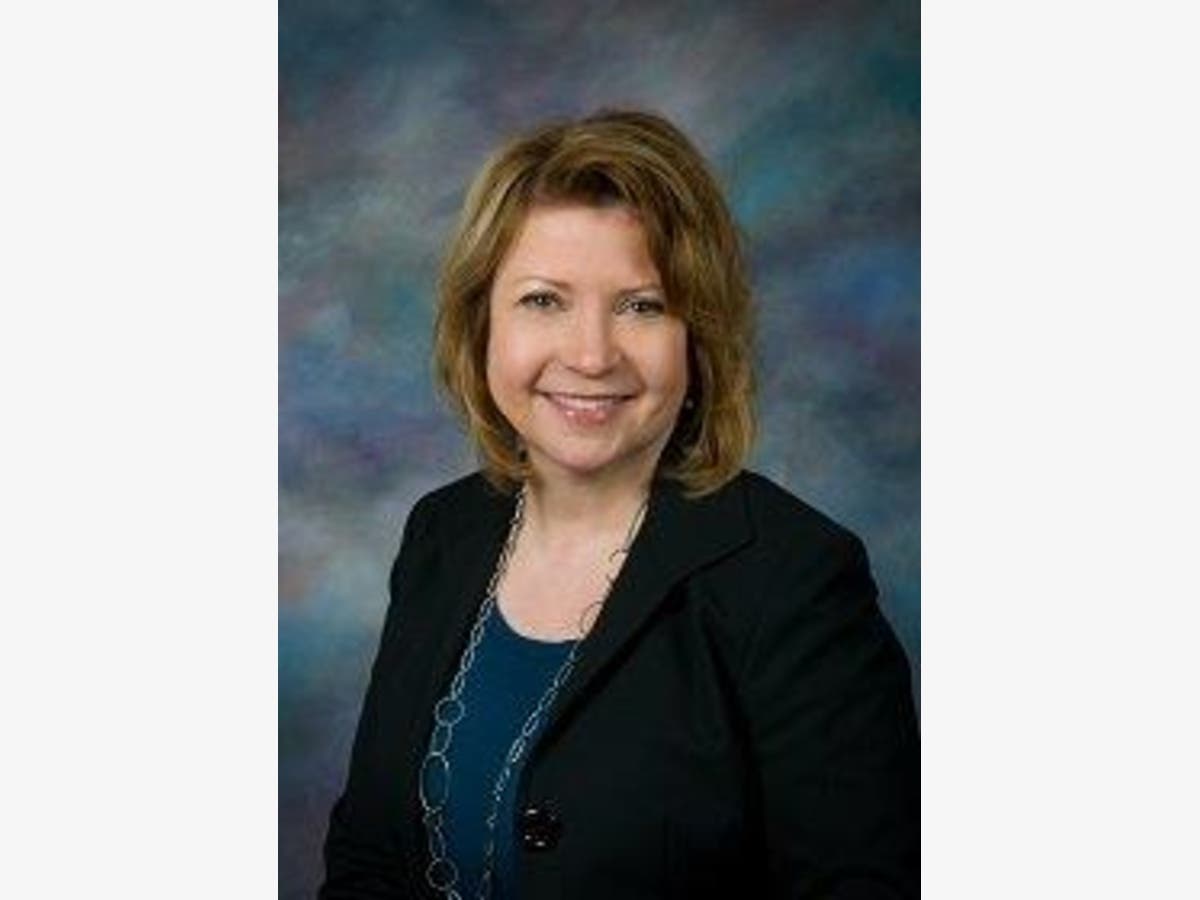
On the heels of Women’s History Month in March, Merrill Lynch Wealth Management partnered with Age Wave to conduct a study titled “Women and Financial Wellness: Beyond the Bottom Line” that took an in-depth look at the long-term financial security of women. Randi Merel, a Senior Vice President and Senior Financial Advisor at Merrill Lynch, answers some top of mind questions based on the study’s findings.
Why was this study conducted?
Women’s financial wellness is at a tipping point. Although women have made historic strides both personally and professionally, they still have a long way to go when it comes to ensuring personal long-term financial security. The purpose of this study was to gain a better understanding of the financial circumstances women face, from superior longevity to higher lifetime health costs, and provide women with meaningful strategies and action steps for achieving more financial wellness customized to their life stage, priorities, experiences and needs.
Find out what's happening in Northbrookfor free with the latest updates from Patch.
What would you say is the key take-away from this study?
What really struck me is the wealth gap and how it compounds over a lifetime. According to the study, the cumulative difference in earnings between a man who works full-time without breaks and a woman who takes breaks to provide care for children or family members can total more than $1 million.
Find out what's happening in Northbrookfor free with the latest updates from Patch.
On top of that, women, on average, live longer than men – 80 percent of women are alone in their final years of life. This makes it even more imperative for women to be financially self-sufficient.
Did the study identify any significant differences about how men and women approach finances?
Women have confidence in all financial tasks—except investing. For most financial tasks, such as bill paying, budgeting, paying off debt, men and women are equally confident. However, only 52% of women say they feel confident in managing investments versus 68% of men.
On a related note, women say their top financial regret is not investing more of their money. For the women who do invest, 77% feel they will be able to accumulate enough money to support themselves for life.
What can women do to better prepare financially?
First off, be purposeful about financial education. Seek out financial information, ask questions and engage in discussions about money. This may be harder than it sounds. Women view discussing money as a social taboo – 61 percent would rather talk about their own death than talk about money, according to the study.
Additionally, plan early and ensure your plan accounts for the financial challenges women typically face, such as career interruptions, higher healthcare costs, and a longer life to fund, and make course corrections along the way.
Lastly, be an advocate for yourself and the women in your life. Be or seek a mentor. Our study found that Boomers and Silent generation women are more financially confident than younger generations, indicating a valuable opportunity for younger generations to learn from their experiences.