Community Corner
After The Big Chill, The Big Thaw Could Bring Potential Flooding
Municipalities brace for possible flooding from snow melt runoff as temperatures warm up after record-breaking cold.


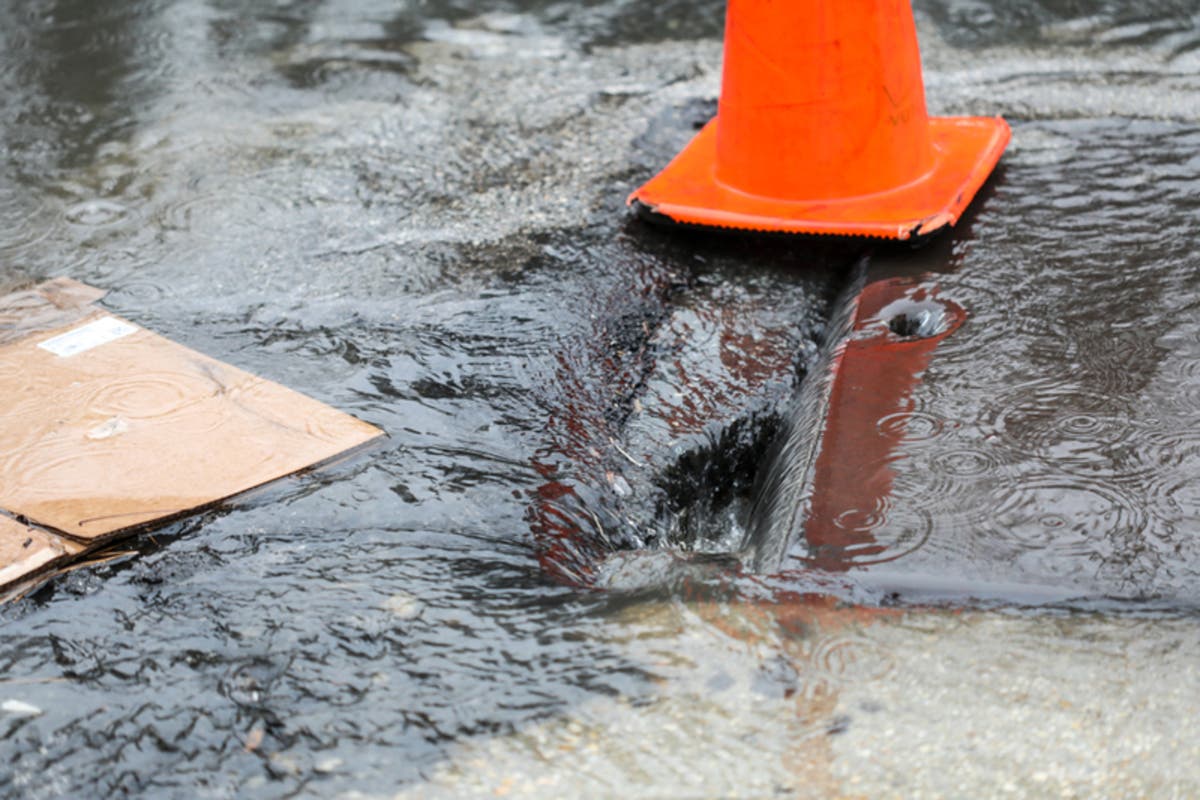
CHICAGO, IL -- After the big chill, municipalities are bracing for the big thaw. With temperatures warming up after record-breaking cold the past few days, snow melt and rain can lead to flooding in the Chicago region. Residents are being asked to help plan for and minimize flooding in the next several days, when temperatures are expected to climb into the 40s and 50s.
Frozen ground is unable to absorb water and snow, and run-off immediately flows to the sewers. Ice can also block storm drains and streams. As a result, flooding may occur when the sewer system becomes overwhelmed from the combination of normal sewage flow, rain water and snow melt.
The Metropolitan Water Reclamation District of Greater Chicago is preparing for the flow by lowering water levels in the Chicago Area Waterway System to make room for runoff. The MRWD’s Tunnel and Reservoir Plan tunnels, Majewski Reservoir, Thornton Composite Reservoir, and McCook Reservoir Stage I are ready to hold over 11 billion gallons of water.
Find out what's happening in Oak Lawnfor free with the latest updates from Patch.
Municipalities as well as the public can help plan for and minimize flooding by reducing water use. Postponing high water consumption activities such as bathing or showering, running dishwashers or washing clothes will also help provide maximum capacity in the local and intercepting sewer systems.
Other activities that can help minimize flooding include:
Find out what's happening in Oak Lawnfor free with the latest updates from Patch.
- Make sure storm drains are clear and not buried under snow drifts.
- Keep areas around streams free of floatable debris.
- If your home has a backwater valve installed in the sewer, follow the manufacturer’s instructions for cleaning to ensure that it is functioning properly.
- Check your sump pump to make sure it is working properly.
- If your home or area is prone to flooding you may want to remove valuable items from basement floors.
- Keep your gutters clear. When they are blocked, water will pour over the edges, landing on the ground next to your home. If you have cracks in the concrete wall of your basement or problems with your tile, this water could enter your home.
~ Image via Shutterstock
Get more local news delivered straight to your inbox. Sign up for free Patch newsletters and alerts.