Home & Garden
How Many Bedrooms Do I Really Need?
Most buyers think they need more rooms. But the real question is how you'll actually live in them.

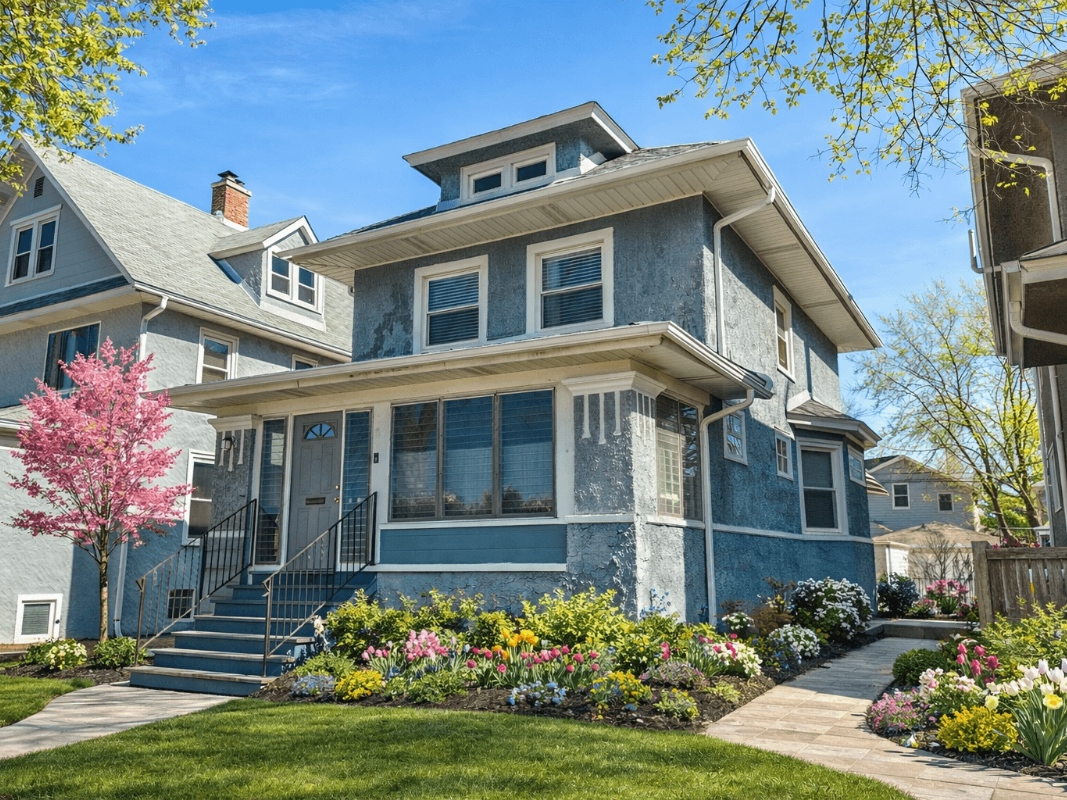
If you have been casually browsing homes lately, you are not alone.
A lot of people do not start their search with a plan. They start with a feeling.
Maybe the house feels like too much work.
Maybe it does not fit anymore.
Maybe life shifted, and your home did not.
Find out what's happening in Oak Park-River Forestfor free with the latest updates from Patch.
So what happens next?
You open Zillow.
You scroll.
You save listings.
And very quickly, you start convincing yourself you need more house.
Find out what's happening in Oak Park-River Forestfor free with the latest updates from Patch.
More bedrooms.
More square footage.
More “just in case” space.
And that is where a lot of buyers go sideways.
Because more space is not automatically better.
More space only helps if you actually use it. Otherwise, it is just more cost, more upkeep, more furniture to buy, more rooms to clean, and more mental load to carry around.
Bedroom count is not the same thing as lifestyle fit
One of the biggest mistakes buyers make is treating bedroom count like the main decision.
It is not.
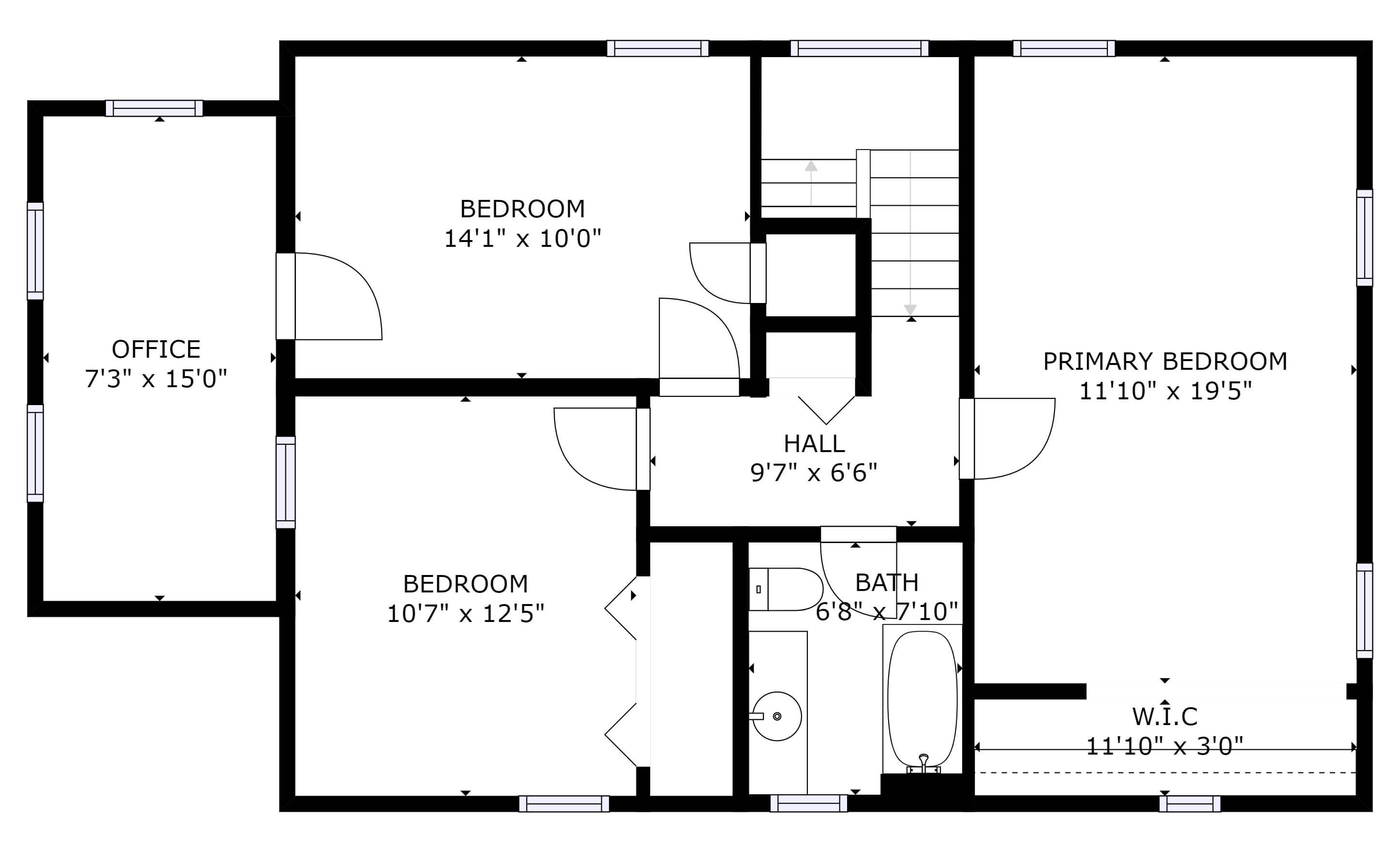
A three-bedroom home with a dedicated office, good storage, and a functional layout can live better than a four-bedroom home with awkward flow and no real common space. A smaller home in the right location can make daily life easier than a bigger one that stretches your budget and your energy.
But once people start looking at listings, logic gets slippery.
Suddenly, a perfectly workable three-bedroom starts to feel “too small.” A fourth bedroom starts to feel like the safe choice. A fifth feels aspirational. And now you are not choosing based on how you live. You are reacting to whatever is on your screen.
This is especially true in Oak Park and the near west suburbs
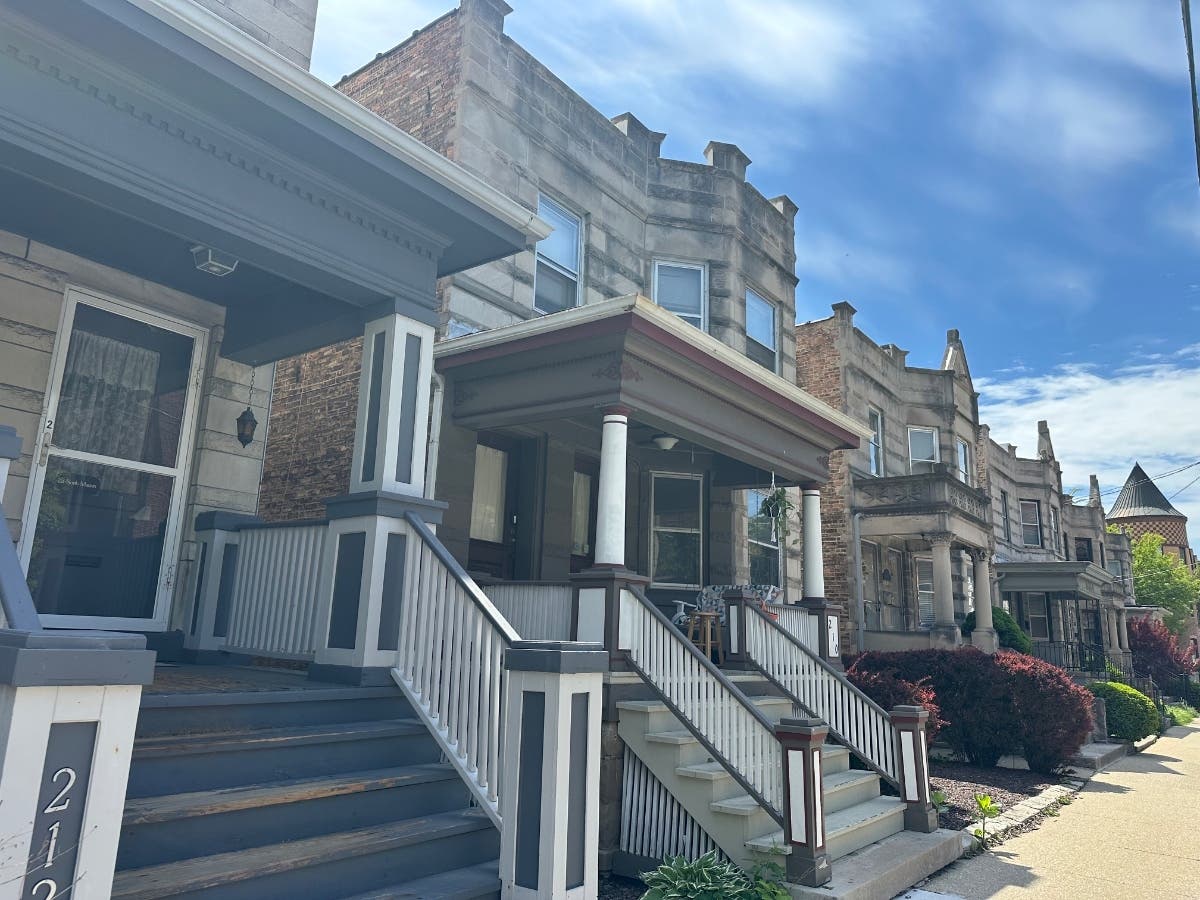
In places like Oak Park, River Forest, Elmwood Park, and nearby suburbs, buyers are often trying to solve a very specific problem: they want more space than they had in the city, but they do not want to end up with a home that feels like a burden.
That is a smart instinct.
What is not smart is assuming the answer is always “one more bedroom.”
Sometimes the better answer is a different layout. Or a better office setup. Or a more efficient home in a location that makes your life easier. Sometimes buyers are not under-buying. They are overestimating how much space they will actually use.
The real question buyers should ask first
Before you start seriously house hunting, it is worth asking one thing:
If someone dropped me into the right home tomorrow, what would I actually use the extra bedroom for?
If you can answer that clearly, you are probably on the right track.
If your answer is vague, like “just in case” or “maybe someday,” it is worth slowing down before you talk yourself into a bigger purchase than you need.
Common mistakes buyers make
- Buying for “what if” instead of real life
- Overestimating how often they will use extra space
- Ignoring layout in favor of bedroom count
- Letting Zillow drive the decision instead of using it as a tool
The goal is not to buy the biggest house you can afford.
The goal is to buy the one that actually fits your life.
A better place to start
If you are trying to figure out whether you really need two bedrooms, three, four, or more, I put together a guide that walks through the decision in a much more grounded way.
Read: How Many Bedrooms Do I Need? A Smarter Way to Decide Before You Start House Hunting
It breaks down what different bedroom counts actually feel like, what buyers tend to get wrong, and how to think about space based on your actual lifestyle instead of fear.
About the author:
Laurie Christofano is a Chicagoland Realtor with RE/MAX In The Village, helping buyers and sellers navigate Oak Park, Chicago, and the near west suburbs with strategy, clarity, and a strong dislike of salesy nonsense.