Health & Fitness
Snowfall Means Sledding for Kids. Keep them Safe
It's been a pretty snow-free winter so with the possibility of measurable snow comes the excitement for sledding. However, serious injuries can accompany the winter fun if precautions are not taken
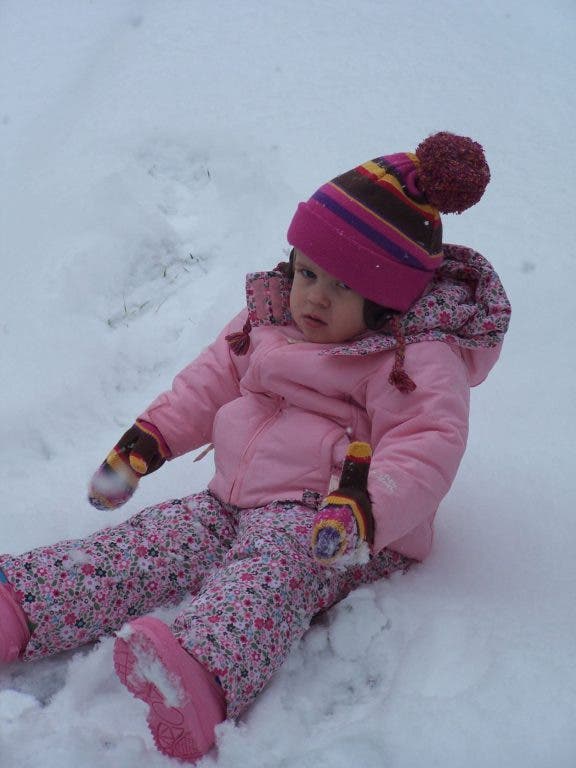
It's been a pretty snow-free winter so with the possibility of measurable snow comes the excitement for sledding. The adrenaline from speeding down an icy hill, feeling the snow spraying your face and the wind’s icy fingers nearly taking your breath away can be exhilarating. However, serious injuries can accompany the winter fun if precautions are not taken.
One of the best ways to prevent injury is to make sure parents are aware of the risks. Though injuries to the extremities were the most common in older children, children 6 and under most often suffered head and neck injuries.
You might not think about putting a helmet on a child when they go sledding, but if the child is under the age of 6 it’s important. Also, never let your child sled head first. Injuries have been associated with the leading body part. If you lead with your head, you’re more likely to get a head injury.
Find out what's happening in Orland Parkfor free with the latest updates from Patch.
Here are a few tips to keep kids safe on the hills:
- Adult supervision is critical. Forty-one percent of children injured while sledding are unsupervised. Go with your kids or make sure an adult is at the sledding location. This will ensure someone is there to assess the area and make sure it’s safe as well as to evaluate and respond should an injury occur.
- Check out the location. Sledding should only be done in designated areas that are open, obstacle-free and groomed. Most injuries occur when a sled collides with a stationary object. Make sure there are no trees, poles, rocks, fences or cars in the sledding area. Also be on the look out for other sledders to avoid collisions.
- Ensure the end of the run is safe. What is at the bottom of the hill? If there is a parking lot, pond or street, it is not a safe place to sled. Safe areas have run-outs that are far from water and automobiles.
- Use clothing layers and helmets to avoid injuries. If you have a child under the age of 6, do not let him or her sled without a helmet. All children should wear multiple layers of clothing for protection from injuries and cold.
- Always sled feet first. To reduce the risk of head injuries do not let your child slide head first. Sledders should sit in a forward-facing position, steering with their feet.
Sledding is a great winter activity so get out and enjoy the snow.