Politics & Government
In Comes Eminent Domain: The Main Street Triangle Interview Part II
In the second of a four-part interview with village officials about the Triangle project, we talk early visions for the development and what led to the current litigation.


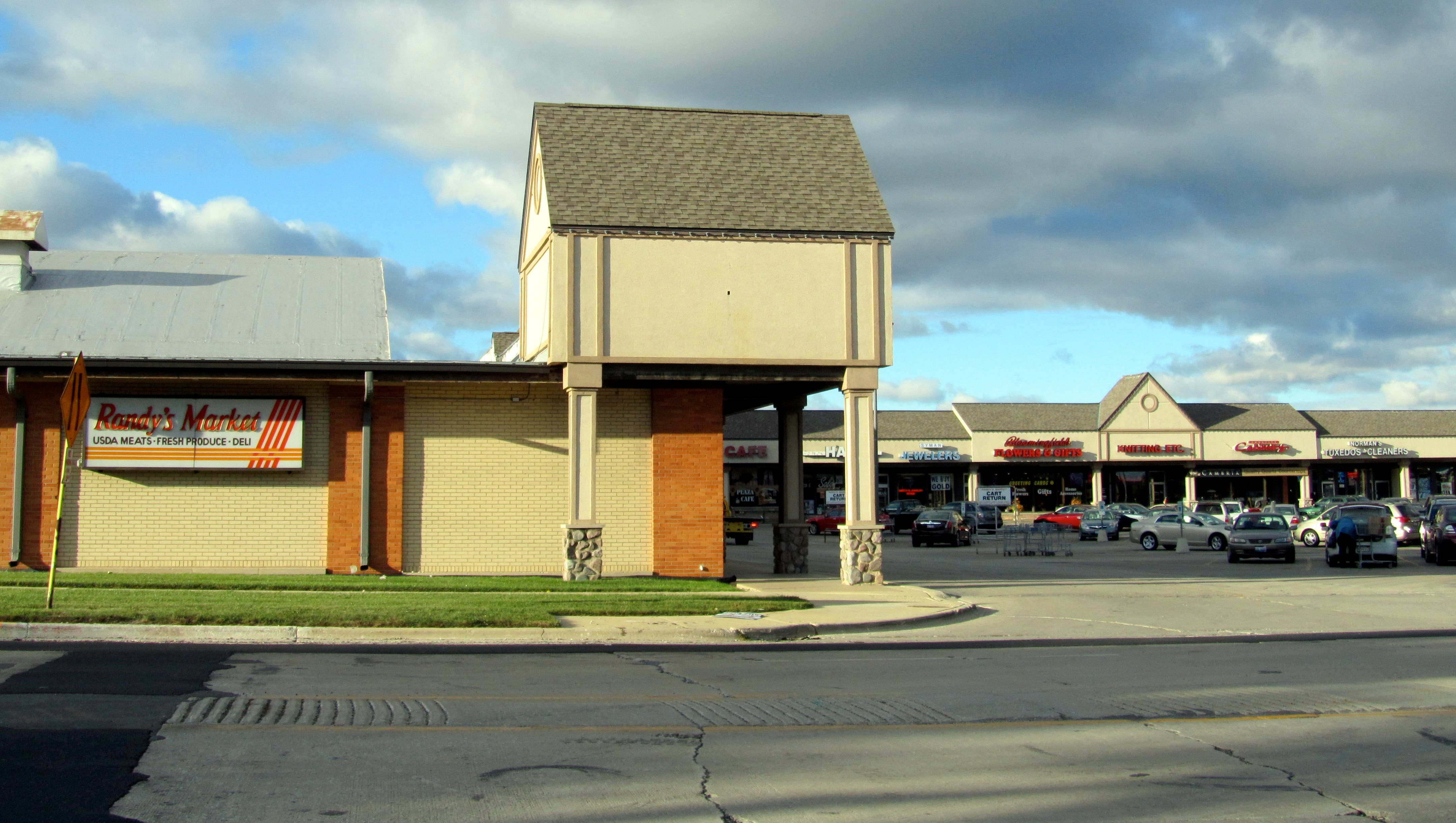
Much of the land that would make up the Main Street Triangle development is vacant.
After several years, a great deal of land has been purchased between the Metra Southwest Service train tracks, 143rd Street and LaGrange Road. What once was an . A TIF district has been established.
But the Orland Plaza, a historic shopping center housing businesses as , still stands on the land. Many Orland residents want the Plaza to stay, while others support building anew on the land.
Find out what's happening in Orland Parkfor free with the latest updates from Patch.
In September 2008, the village entered into eminent domain proceedings after a price for the Plaza land couldn’t be agreed on with the landowners. Judge Sanjay Tailor ruled in April 2010 in favor of the village acquiring in the Plaza area to extend Ravinia and Jefferson avenues. But litigation to decide who is owed what amount of money between the village, the landowners and tenants continues.
In the second part of our conversation about the Triangle, Mayor Dan McLaughlin, Village Manager Paul Grimes and Assistant Village Manager Ellen Baer talk about what led to entering into eminent domain proceedings.
Find out what's happening in Orland Parkfor free with the latest updates from Patch.
Patch: What was the vision for the Triangle development?
Village Manager Paul Grimes: The vision was to create a transit orientated development centered around the (143rd Street) train station. Higher density downtown. A true gathering place. A city center with a town green. Walkable.
What happened was over the years, the village acquired all parcels except for the Plaza. The Plaza was the one remaining. The village entered into an agreement at the time with Related Midwest. They did all the public improvement. All the work done out there basically was done by Related Midwest.
Assistant Village Manager Ellen Baer: It took a couple of years because we did the train station, parking and the Southwest Highway project with the State of Illinois. We both worked on Southwest Highway as it connected to 143rd Street. Then putting 142nd Street in and Main Street. Those projects collectively were probably over two years. The part we later did was one construction season. They did the detention pond up north, which serves not only this triangle but some of the storm run off coming from south of there and the civic corridor. The detention pond was built and sized to serve the entire development, while still maintaining the extra storage.
Paul Grimes: A nuance that often gets lost is all along the streets were planned. From the early studies, the street grid system that the , that was planned to go in. When Related Midwest was the developer, they were reaching out to the Orland Plaza owners, and were negotiating. The village’s position was “we need the streets.” But if we could get a private developer who can resolve it through a private acquisition with the property owner and then they’ll dedicate the streets and that will be part of the deal, that would be great. The board’s position I think was generally to stay at arm’s length. Let’s see if the private sector, in this case the developer, can get to an agreement with the owner on the acquisition. They couldn’t.
I think at the time it was more than Related Midwest could pencil out and make work. And they couldn’t get to an agreement. That was right before I got here, because that was when the board then ultimately made the decision to complete the street grid and invoke eminent domain proceedings. That’s the context. We thought it could be done through private acquisition. They wanted $12.5 million and a $6 million buyout.
Mayor Dan McLaughlin: The first request was $20 million.
Patch: So when the private sector couldn’t come to a deal, eminent domain came into the equation?
Ellen Baer: It was more to set the price. The owners wanted to sell. But when we had an appraisal done, we found the value wasn’t nearly the amount the ownership thought the value was. Taxpayers of Orland Park are not going to overpay by millions for a piece of property. That’s when the eminent domain case was filed.
Paul Grimes: Before eminent domain was invoked in September 2008, we had an appraisal done following USPAP standards. The village made an offer. You have to enter good faith negotiations. We reached out to the owners. Showed them the appraisals. We offered to review appraisals they had. They said they had none. And so we couldn’t get to an agreement. Then we reached an impasse, effectively, and that’s when the eminent domain was invoked. Early April 2008 was when we started talking. The offer was made in June or July 2008. We had a couple of months of negotiations.
The rest of it is we’ve been going through the litigation. We think we are pretty close to getting this resolved, but we don’t have anything to say yet. We’ve had very cordial conversations with them. We’ve been negotiating all along.
Mayor McLaughlin: I’ve had a couple meetings, just me and the two guys who own the property. They’ve been friendly.
Paul Grimes: They have said they don’t want to stand in the way of the village redeveloping. They do have their interests and they’ve been candid about it.
Ellen Baer: The eminent domain was for the roads only. Not for the whole thing.
Mayor McLaughlin: There is property that would’ve stayed in their ownership and they could’ve put something really nice in there, working with us, of course, so it stayed within the plan.
Paul Grimes: But we still offered to buy the whole thing. The eminent domain portion was only for the streets, and the property parcels would revert back to them as owners. They preferred to sell it to us.
Ellen Baer: It’s interesting to note that the appraiser, when we looked at the damage that we would’ve caused to the property by acquiring just for the roads, the appraiser actually valued the parcels that would’ve been still under their ownership higher than they did the land as it is today.
Paul Grimes: Because it would be shovel ready, and ready to go.
Ellen Baer: And part of what would make them shovel ready is we would’ve already put in the infrastructure, sewer, water, the detention pond. And the detention is usually a big expense.
Mayor McLaughlin: If we didn’t do the detention the way we did up there, the smaller developments would have to build their own. Now we can make it a big one and make it a water feature. It’s neat down there. There are the fountains coming out of the wall, and they change colors at night. With the benches and landscaping it’s a neat little area. A gathering space. The idea would be to have restaurants there.
Ellen Baer: And the pedestrian overpass over LaGrange would connect there. You would be able to walk around that area. We’re another year out on that probably.
On Tuesday, village officials talked about what .
On Thursday, questions and answers will focus on how the plan has changed in the current market.
Get more local news delivered straight to your inbox. Sign up for free Patch newsletters and alerts.