Neighbor News
Wil-Kil Pest Control's Pest of the Month: 8 Tips for Achieving a Pest-Free Fireplace
8 DIY Tips for Achieving a Pest-Free Fireplace
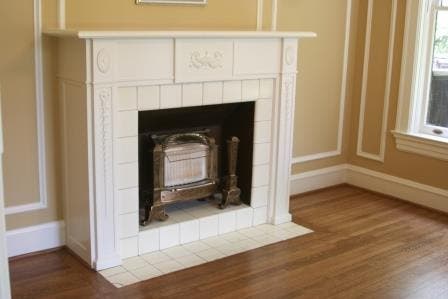


Is it cold enough out there for you yet? I thought it might be.
As we enter the chilliest winter months, your wood-burning fireplace will get quite the workout between gatherings with friends and family and cozy nights spent at home. While the warmth of a fire may be perfect for a chilly winter evening, fireplaces and chimneys can harbor numerous pests.
For instance, raccoons, squirrels, birds and other large pests can use the chimney itself as a warm nesting spot. Beetles and ants can slip through the cracks of older fireplaces, especially if they’re built with brick. And if you bring in firewood from the outdoors, termites, roaches and other insects can hitch a ride into your home. Before your visions of a perfect fireside evening are ruined, take a few minutes to read our tips for keeping your fireplace pest free all winter long.
Find out what's happening in Palatinefor free with the latest updates from Patch.
8 Tips for Achieving a Pest-Free Fireplace:
1. Seasonal tips: If possible, only use locally cut firewood that is harvested in the late fall or winter months; ants and roaches are less active during those months, so it’s less likely for them to burrow into your firewood. If you do use wood that was cut during the summer months, make sure to pile it in a sunny, covered area. Covering the wood will help to kill off any insects that are infesting the wood.
Find out what's happening in Palatinefor free with the latest updates from Patch.
2. Store wood away from the home: Always store your firewood outdoors, instead of the garage, basement or porch. Storing wood inside or up against the home invites wood-boring pests to take up residence in the structure. It also provides safe harborage for rodents or other wildlife. Instead, make sure your wood is stored at least 15-20 feet away from the home and not piled up against trees, shrubbery or other plants.
3. Keep wood dry: Insects love moisture. Keep your firewood dry by elevating it off the ground using concrete blocks, bricks or firewood grates. Maintaining airflow beneath the pile helps reduce moisture problems which attract insects. Another bonus? Dry wood also burns more evenly and cleanly.
4. Burn your oldest wood first: Use the oldest wood first, restacking the pile periodically to make it easier to access the older logs. This will help keep pests at a minimum because you are not allowing infestations to build up.
5. Check for insects: Carefully inspect your firewood before bringing it inside. Inspect each log: look them over, shake them, knock them together – do whatever you need to do to get rid of the pests that are on the surface and beginning to emerge. Even if you don’t see them, they could be there. As a note of precaution, do not spray wood with insecticide. Burning wood treated with insecticide could release harmful vapors inside your home.
6. Burn wood immediately after it’s brought indoors: Only bring in the firewood you intend to burn. If any critters did hitch a ride indoors, burning firewood immediately will ensure they do not crawl out from the pile and into your home. Logs or other kindling should never sit on or beside the fireplace overnight.
7. Shut the flue: When your fireplace is not in use, make sure to keep the flue closed so rodents, birds and other pests cannot get into your chimney. These pests may seem like a harmless problem, but they can actually introduce ticks, mice, fleas and other undesirable infestations into your home. You may also want to invest in a chimney cap to seal the top of your chimney and reduce the types of pests that could potentially invade. As a bonus, keeping your chimney well sealed will not only help keep out pests, but cold air too!
8. Seal the fireplace: Keep your fireplace effectively sealed off from the rest of the home. If your fireplace doesn’t have a door or is simply enclosed by a grate or mesh covering, you should consider getting a proper door installed. Aside from keeping pests out of your home, it will also serve as a protective measure from pets or children getting too close to the flames.
Above all, it’s best to have your pest management specialist inspect your fireplace and the rest of your home on a regular basis. When an area of your home goes unused for most of the year, such as a fireplace, it makes an ideal hiding space for over-wintering pests. Coupled with the proactive measures I mentioned above, seasonal pest inspections offered through home protection plans will help stop pests from entering your home in the first place.
What tips and tricks do you use to keep your fireplace pest free? Do you do anything else to keep birds or other live animals out of your chimney? I’d love to hear from you!
About Shane McCoy:
Shane McCoy is the Technical Training Director for Wil-Kil Pest Control, a regional pest management company providing quality pest management for residential and commercial properties throughout the Upper Midwest. As an Associate Certified Entomologist with over 18 years of experience in pest management, Shane’s blog provides expert tips and tricks, timely information and solutions for coexisting with the insect life and critters around us. To learn more about Wil-Kil Pest Control, please visitwww.wil-kil.com. You can also follow the company on Facebook and Twitter (@WilKilPest).