Schools
Education Funding Reform Act of 2015
Senate Bill 16 has been reintroduced as Senate Bill 1 with changes to address some of the concerns raised last year.


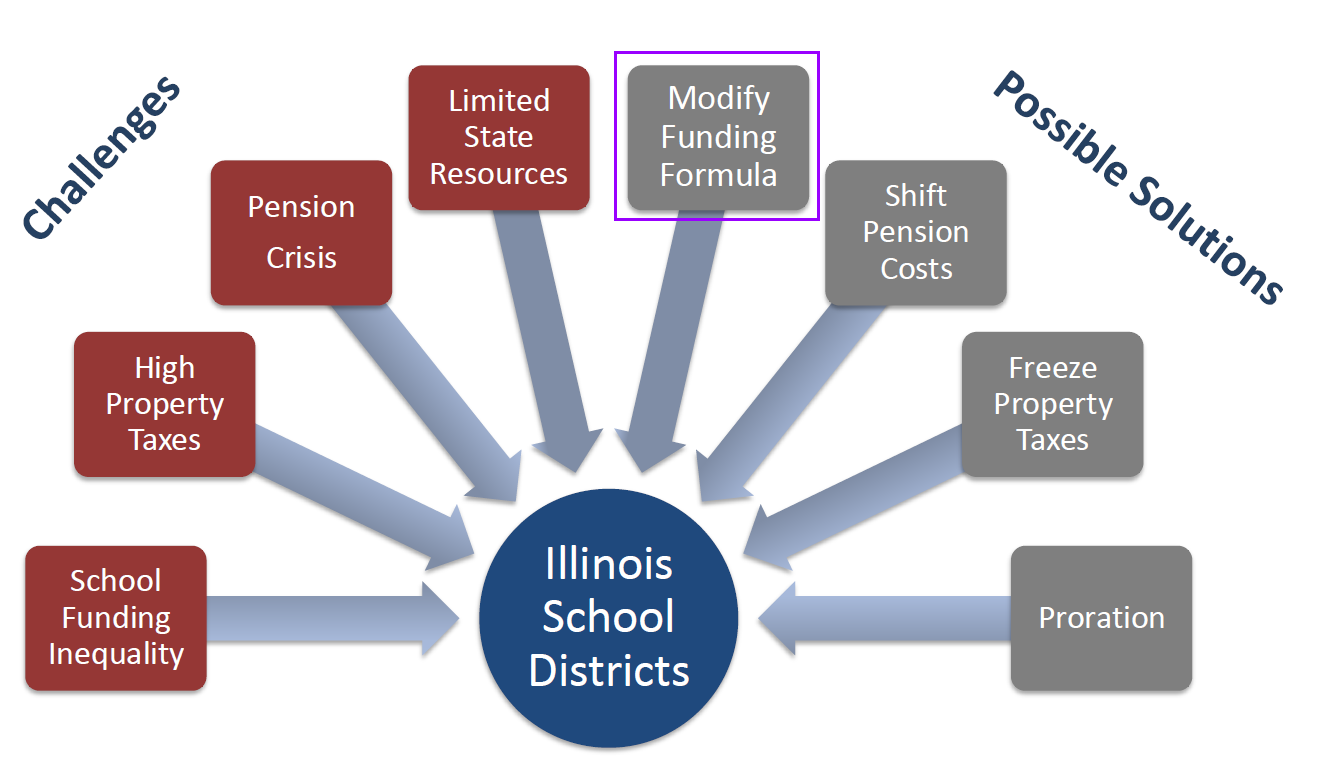
The Education Funding Reform Act of 2015 (Senate Bill 1) is a reintroduced version of Senate Bill 16 with changes to address some of the concerns that were raised by School Districts, legislators, community members and parents. The purpose of the bill is to modify how State education dollars are distributed through the funding formula.
Below is a summary of the key changes in the Education Funding Reform Act of 2015 (SB1).
Adequacy
Find out what's happening in Palosfor free with the latest updates from Patch.
The sponsors of the bill are asking for an additional $500 million in State education funding to support the proposed changes. The feasibility and the source of the additional funding will be part of the legislative budget discussions.
Regional Cost Differences
Find out what's happening in Palosfor free with the latest updates from Patch.
A regional cost difference was added to SB1 to account for cost of living and comparable wage differences in our State.
Low-Income Students
SB1 temporarily reverts back to the current method of determining how many low-income students are in a School District. The current method of using data from the Illinois Department of Human Services will continue to be used for two years and then the Illinois State Board of Education (ISBE) can switch to a different method of counting low-income students without needing to get the new method approved by legislators. Depending on which method ISBE ultimately selects could greatly affect the amount of State Education funding a School District receives each year.
Adequacy Grant
An ”Adequacy Grant” was added to provide additional funding to School Districts that have an above average property tax rate and who are not currently adequately funded.
Special Need Students
SB1 funds programs for Special Need students using the Statewide average of 13.8% for all School Districts. A change has been made with SB1 to allow School Districts to request additional funding for up to 18.8% of their students.
One of the concerns raised with this approach is that using an average % of Special Needs for all School Districts does not differentiate the costs associated with serving different type of special needs. For example, a student receiving basic speech lessons would be funded at the same level as a student that requires a dedicated aid.
Available Local Resources
One of most significant changes with the proposed formula is that it modifies how Available Local Resources are calculated for School Districts that are subject to limits in how much they can increase Property Tax Revenue by each year to match the increase in the Consumer Price Index (CPI) for that year.
The negative impact of this proposed change will not be seen in the SB1 projections that the Illinois State Board of Education provides because property value is basically at a ten year low for many Communities in our State. The impact will be felt as property value continues to recover in the next few years.
What’s Next
The Illinois State Board of Education will be providing pon how these proposed State education funding reforms will impact each School District in our State. ISBE should be providing the projected impacts later this month.
Stay Informed
We will continue to provide updates this Spring through the Patch and also on the EDGE Illinois facebook page.
www.facebook.com/EDGEIllinois