Crime & Safety
ID Thieves Use Dist. 230 Number To Spoof Residents
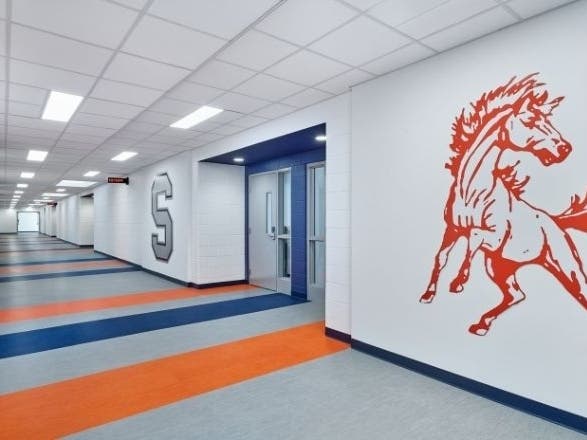
Cops said ID thief spoofed a number from Sandburg High School and offered to help resident lower the interest rate on her credit cards.


PALOS PARK, IL -- A Palos Park resident became alarmed when someone called using “School District 230” on caller ID and then tried to talk the resident into lowering her interest rates on a credit card. Police said the scammer had apparently spoofed a local number in an attempt to get the resident’s personal information for an identity theft.
Palos Park police said that the resident received a call around 11:35 a.m. on June 25. The number that showed up on the resident’s caller ID as originating from “School District 230.” The resident answered the phone because a family member attends Carl Sandburg High School. The 708-number provided to Patch by police is the number used to notify students, parents, staff and community members of emergencies at Sandburg High School.
After listening to the caller’s spiel about lowering the interest rates on her credit cards, she called police because she found it unusual that solicitors were using the school district’s name and ID to scam unwitting residents. As it turned out, the call was not from the school district.
Find out what's happening in Palosfor free with the latest updates from Patch.
SUBSCRIBE: Get Real-Time Alerts and a Daily Newsletter for Palos
Neighbor Spoofing is when scammers use phone numbers other than their own to place calls. They often attempt to get people's personal information for identity theft. It’s the latest caller ID spoof strategy being used by phone scammers to trick people into answering their phones, thinking somebody local is calling them.
Find out what's happening in Palosfor free with the latest updates from Patch.
For phone scams to be successful, scammers need people to pick up the phone so they can initiate the conversation. Con artists and robocallers use technology to modify what phone numbers appear on caller ID, impersonating phone numbers from neighbors, friends and local businesses in order to get people to answer the call. In many instances, it is a random number with the same area code and first three digits as the person’s own phone number.
The Better Business Bureau offers these tips to handle “neighbor spoofing:”
- Avoid answering calls from phone numbers you don’t recognize, even if they appear to be local. If it’s important, the caller will leave a message.
- If your own phone number is used in a caller ID spoof call, you may receive calls and messages from people asking why you called them in the first place. Phone carriers recommend recording an outgoing message stating that your phone number has been spoofed and then shutting off your phone for 24 hours.
- Be aware that phone numbers of local businesses, including doctor’s offices, insurance agents, or your kid’s school may appear to be calling you. If you’re not certain whether the call is legitimate or a spoof, hang up and dial the known phone number for the contact to verify the communication, especially if personal and/or financial information is being requested.
- There are call blocking apps that may help decrease the amount of spam calls, including those using a spoof caller ID. Your phone carrier may also provide a similar service or offer advice.
Get more local news delivered straight to your inbox. Sign up for free Patch newsletters and alerts.