Crime & Safety
Motorcycle Fatalities Up In Illinois, Which Has No Helmet Law
Illinois is one of three states with no helmet law on the books.


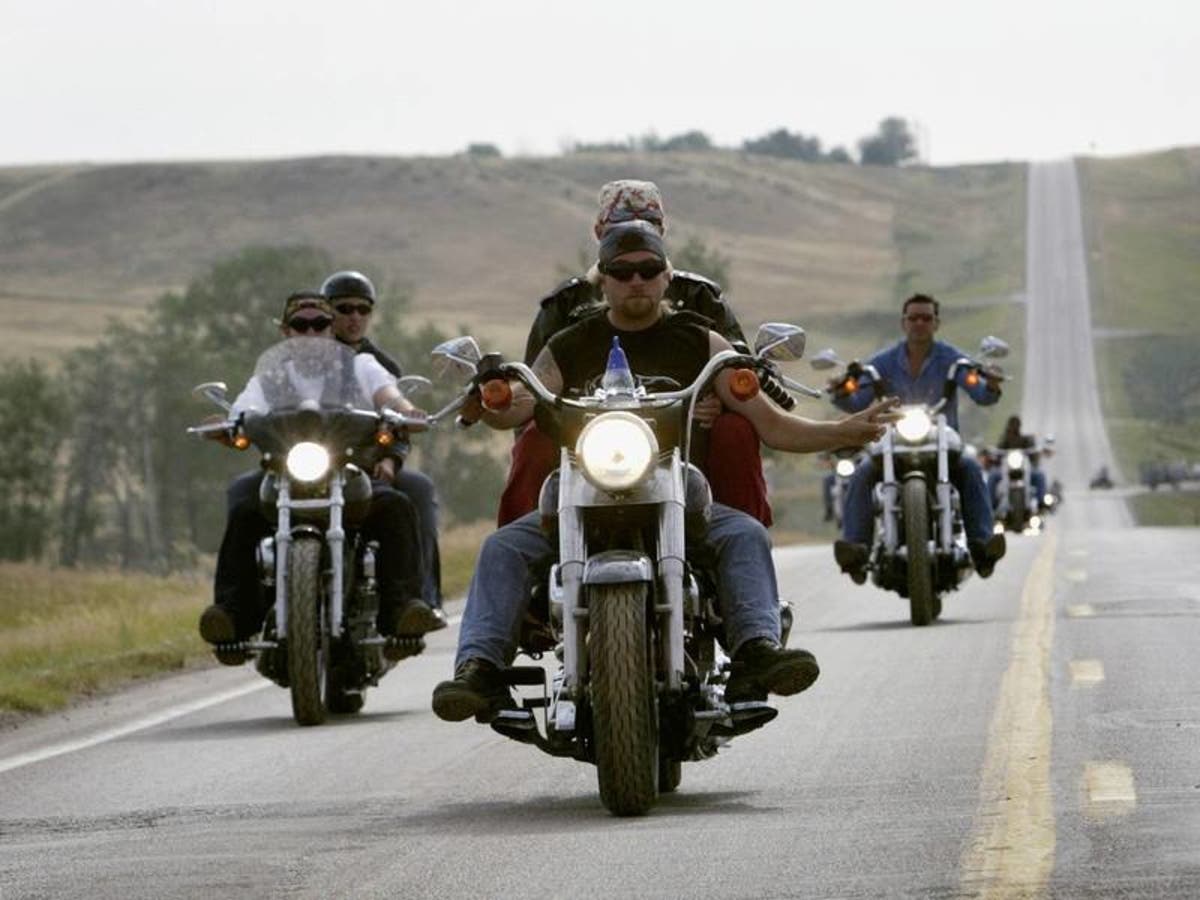
ILLINOIS — There’s some good news tucked in with the bad news about motorcyclist fatalities in the United States: Motorcyclists are still dying at a much higher rate than other motorists, but fatalities decreased in 2017 compared to 2016, when deaths hit an eight-year high. In Illinois, though, motorcycle fatalities increased 5.2 percent during the period.
Preliminary data from the Governors Highway Safety Association showed that 162 motorcycle fatalities were reported in Illinois in 2017. That compares with 154 fatalities in 2016.
Nationwide, 4,798 people were killed in motorcycle crashes in 2017, compared to 5,251 the year prior, an 8.6 percent decrease, according to the report. (Get Patched In: Subscribe to free daily email, news alerts, Facebook fun and more from Patch)
Find out what's happening in Romeovillefor free with the latest updates from Patch.
A variety of factors contribute to motorcycle fatalities, including poor decisions by the operator and hazards created by other motorists, the weather and wildlife, but a big contributing factor is helmet use.
Only 19 states and the District of Columbia require all motorcyclists and their passengers to wear helmets. Another 28 states require helmet use by younger riders, and three states — Illinois, Iowa and New Hampshire — have no helmet laws at all. Arizona requires helmet use for riders 17 and younger.
Find out what's happening in Romeovillefor free with the latest updates from Patch.
Helmet use is about 37 percent effective in preventing motorcyclist deaths and about 67 percent effective in preventing brain injuries, according to the Insurance Institute for Highway Safety.
Pro-helmet forces, including insurance groups, doctors and accident survivors, have beat back recent efforts in some states to loosen helmet laws, drowning out the thunder of freedom-loving motorcyclists who want to ride bareheaded.
The federal Centers for Disease Control and Prevention says laws requiring all motorcyclists to wear helmets would be “the single most effective way for states to save lives and save money,” a position backed up by public research.
Still, it’s an uphill battle.
The American Motorcyclist Association “strongly encourages” the voluntary use of helmets and other personal protective equipment, including gloves and sturdy footwear, but stopped short of endorsing a mandate for universal helmet laws.
“The AMA believes that adults should have the right to voluntarily decide when to wear a helmet,” the group said in a position statement. “The AMA does not oppose laws requiring helmets for minor motorcycle operators and passengers.”
TELL US: Illinois currently doesn't have any motorcycle helmet laws on the books. Should that change, or should cyclists be free to make that choice for themselves?
Helmet use isn’t the only factor in motorcyclist deaths. Alcohol use plays a big role, too, according to the Governors Highway Safety Association. The group’s report shows that in 2016, riders were legally drunk in 25 percent of all fatal motorcycle crashes — the highest percentage of alcohol-impaired drivers among all vehicle types.
Additionally, 37 percent of riders killed in single-vehicle crashes in 2016 were legally drunk. Statistics for 2017 weren’t available.
In the past, younger, less experienced riders have been overrepresented in motorcyclist fatalities, but that is changing. Over the last four years, riders over age 40 comprised the greatest share of motorcyclist fatalities nationwide, and several states reported increases in older driver fatalities in 2017.
Riders in that group comprised 55 percent of all riders killed in 2013 and 54 percent in 2014, 2015 and 2016. The average age of riders killed in motorcycle crashes in 2016 was 43, compared to 42 in the three years prior.
Photo by Scott Olson/Getty Images
Get more local news delivered straight to your inbox. Sign up for free Patch newsletters and alerts.