Politics & Government
Marijuana Legalization Passes Illinois Senate, Heads To House
The revised bill restricts home-grown cannabis, limits expungement of past pot convictions and adjusts how marijuana revenue is distributed.


SPRINGFIELD, IL — The Illinois Senate passed a plan to legalize the recreational use of marijuana starting next year. Senators Wednesday evening approved a revised version of the Cannabis Regulation and Tax Act by a vote of 38-17, sending the bill to the House for possible passage before it adjourns for the session at the end of the week.
Sen. Heather Steans, chief co-sponsor of the bill, said her legalization legislation prioritizes public safety, promotes social justice and brings in needed revenue. The Chicago Democrat said there were approximately 800,000 people in Illinois who currently use cannabis, with 95 percent of consumers buying marijuana on the black market. That leads to unsafe products, easy access for teens and inequality in enforcement of the law.
"We can pretend that we don't actually have cannabis smoking going on, we know we do," Steans said. "Burying our heads in the sand around that does not improve the situation on the outcomes around this. Going to a different approach I think is going to have much better outcomes."
Find out what's happening in Springfieldfor free with the latest updates from Patch.
Steans pointed to evidence of huge racial disparities in enforcement of cannabis laws and said she believed the bill would, unlike the medical program, build diversity into the legal cannabis industry from its inception. Starting Jan. 1, 2020, adults aged 21 or over will be able to legally possess any combination of up to 30 grams of cannabis flower, 5 grams of cannabis concentrate or 500 milligrams of THC in a cannabis-infused product.
"This bill is going to set the model, I believe the gold standard, for how to approach social equity issues regarding cannabis legalization," Steans said. "We are doing this very comprehensively in this bill, I think it's the biggest piece of social equity, social justice legislation that we've passed here in the state of Illinois and will show that over time to be the case in the nation overall."
Find out what's happening in Springfieldfor free with the latest updates from Patch.
Sen. Toi Hutchinson, an Olympia Fields Democrat and co-sponsor, said the bill would make Illinois a leader in its commitment to mental health treatment and equity.
"There's so many pieces of this bill that are historic that I feel comfortably here saying to you that this is the largest, most equity-centered bill with the most criminal justice reform in the country right now, and the world is watching," Hutchinson said.
No state legislature has yet approved the legalization of the commercial sale of marijuana. Vermont allows possession and cultivation of cannabis but forbids its sale. Western states that have implemented schemes to tax the sale of retail cannabis have done so after voter-approved referendums.
"This is an incredibly proud moment, and we're standing on the steps of history because we should be a model for how you actually do this legislatively. We are the first state to attempt something this big and this comprehensive in one piece of legislation," Hutchinson said.
Sen. Chapin Rose, a Mahomet Republican, said the he opposed the latest version of the bill because it had become too corporate and questions its method of pursuing equity in the industry.
"It's gone from a very libertarian-esque piece of legislation to essentially being corporatized big pot," Rose said. "The moral edict is we're going to give preference to pot shops in the poorest ZIP codes of Illinois. Where in society do people sit around and think that's a good idea?"
Another opponent, Republican Sen. Dale Righter, of Matoon, said passage of the bill would lead to more citizens developing psychosis and signal to children that cannabis use was not harmful. Senators, he said, were making the same mistake as people who suggested cigarettes were not dangerous.
"Our kids are watching this. Maybe this is OK for us now and in a couple years we'll get tax revenue. But what's it mean 10 or 15 years down the road?" Righter asked. "And that's my concern, and that's why I oppose the bill."
Steans disputed claims that legalization increases use among minors, suggesting increased regulation and public health education would end up reducing young peoples' pot consumption as it has with cigarettes and alcohol.
Along with State Rep. Kelly Cassidy, a fellow North Side Democrat, Steans began working toward a plan to legalize and regulate cannabis more than two years ago.
The latest version was negotiated after the introduction of Senate Bill 7 earlier this month.
What's In The Bill?
Local governments would be able to keep cannabis-related businesses out of their towns or put zoning restrictions in place. Municipalities could pass their own ordinances to allow or forbid public consumption of marijuana.
Landlords could continue to ban tenants from having marijuana on their property. Employers could continue to test for drugs and fire those who test positive.
The bill creates a social equity program to promote the involvement of minorities in the cannabis industry by providing access to grants and loans to help defer the costs of entering the market. It also commissions a study to identify discrimination in the cannabis industry and requires departments that issue cannabis licenses to consider the study's conclusions.
Eight pilot programs will be created at community colleges will teach students to study and grow cannabis plants in preparation for careers in the industry. Five of them will be established at schools where a majority of students are considered low-income.
What's Changed In This Version?
The previous version of the bill granted automatic expungement to certain cannabis felonies. That has been removed. Instead, convictions dealing with up to 30 grams would be handled through the governor's clemency process. For convictions relating to amounts of cannabis between 30 and 500 grams, prosecutors or individuals can ask a judge to vacate the conviction.
Instead of every Illinois resident being permitted to cultivate up to five plants in a locked room away from public view inaccessible to minors, only medical marijuana patients would be permitted to grow the plant. Anyone else doing so could be cited for a civil offense punishable by a fine of up to $200. Growing more than five plants would remain a felony. Law enforcement had expressed concerns over the original bills "home-grow" provision.
The revenue allocation has also been adjusted. In the amended version, the 25 percent share formerly set aside for the Restoring Our Communities Fund for community reinvestment was instead provided to the Recover, Reinvest and Renew program. A board overseeing the program would identify places with the highest rates of gun violence, poverty and incarceration to designate as "R3 Areas." Local groups in such areas would be able to access state grants through the program.
The 20 percent share of the revenue set aside for mental health services has also been changed. Instead of being sent directly to certified local health departments, the money gets transferred to the Department of Human Services Community Services Fund. It would then be appropriated to institutions and providers to deal with mental health and substance abuse prevention and treatment. The version passed by the Senate also adds a clause allowing employers to forbid on-call workers from using cannabis.
Three Republicans supported the plan: Sen. Neil Anderson of Rock Island, Sen. Jason Barickman of Bloomington and Sen. Steve McClure of Springfield.
"A week and a half ago I would have said there's no way I could support this bill, but through the negotiation process and through the work that Sen. Steans [has] done, I think we landed in a good place," Anderson said. During discussion of the bill on the floor, he said he had never smoked cannabis and was responsible for ensuring that his children did not either. "But to those adults out there that want to use cannabis, as I've said before, freedom is freedom and I should not be infringing on that freedom."
Two Democrats voted against it: Jennifer Bertino-Tarrant of Shorewood and Rachelle Crowe of Glen Carbon. Harvey Democrat Sen. Napoleon Harris and Morris Republican Sen. Sue Rezin both voted present. None of them discussed their vote during flood debate.
Senate President John Cullerton released a statement saying he was confident Illinois had found the right way to address the issue.
"Five years of work have gone into creating arguably the most comprehensive adult-use cannabis legislation anywhere in the country," Cullerton said. "I commend the sponsors for their diligent work to address social and economic justice issues, include strong public safeguards and their efforts to reach across the aisle to build bipartisan support."
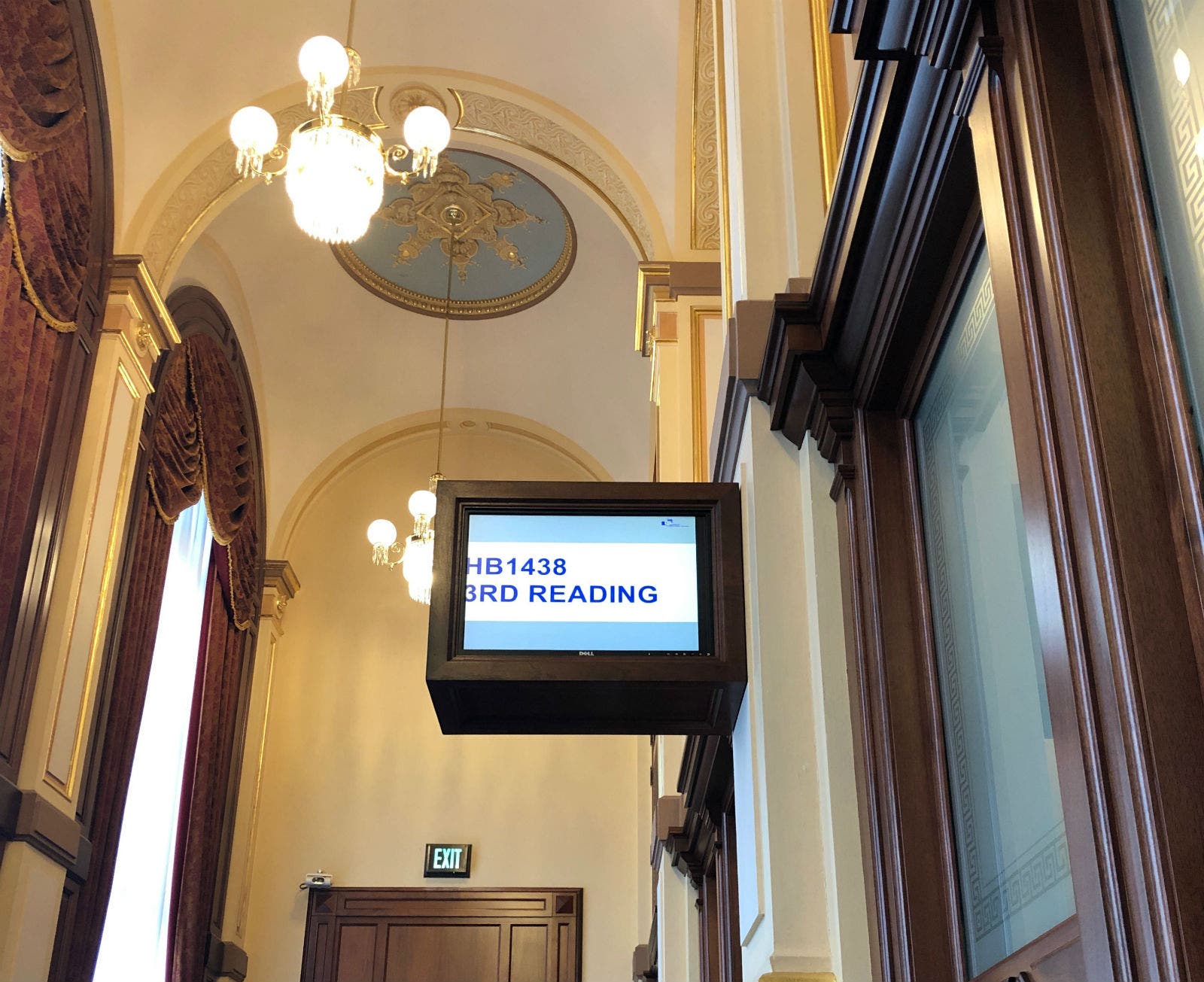
Since the plan was presented as an amendment to House Bill 1438 — a piece of legislation formerly known as the Pawnbroker Regulation Act that had passed unanimously through the lower chamber — state representatives can only vote to concur or reject the bill, rather than add their own amendments.
Gov. JB Pritzker campaigned on a policy of cannabis legalization and identified it as a priority for his first legislative session with Democrats in control of both legislative chambers in Springfield. In a statement after the bill's Senate passage, he signaled he would sign the bill if it made it to his desk.
"Illinois is poised to become the first state in the nation that put equity and criminal justice reform at the heart of its approach to legalizing cannabis, and I’m grateful that the Senate has taken this important step with a bipartisan vote," Pritzker said. "I encourage the House to take decisive action to make Illinois a national leader in equity and criminal justice reform."
Earlier:
- Draft Marijuana Legalization Law Allows Up To 30 Grams, 5 Plants
- Marijuana Tax, Betting Big Part Of Pritzker's $39 Billion Budget
- Pritzker Hopes To Legalize Marijuana Soon After Being Sworn In
- No Cook County Charges For Possessing Up To 30 Grams Of Marijuana
- Marijuana Legalization Hearings, Support Coalition Announced
Get more local news delivered straight to your inbox. Sign up for free Patch newsletters and alerts.