Health & Fitness
Gluten, Schmuten. What's the Big Deal with Wheat?
Are you as confused about the Gluten-Free movement as I am? Explore with me some interesting information on wheat and gluten from the book "Wheat Belly".
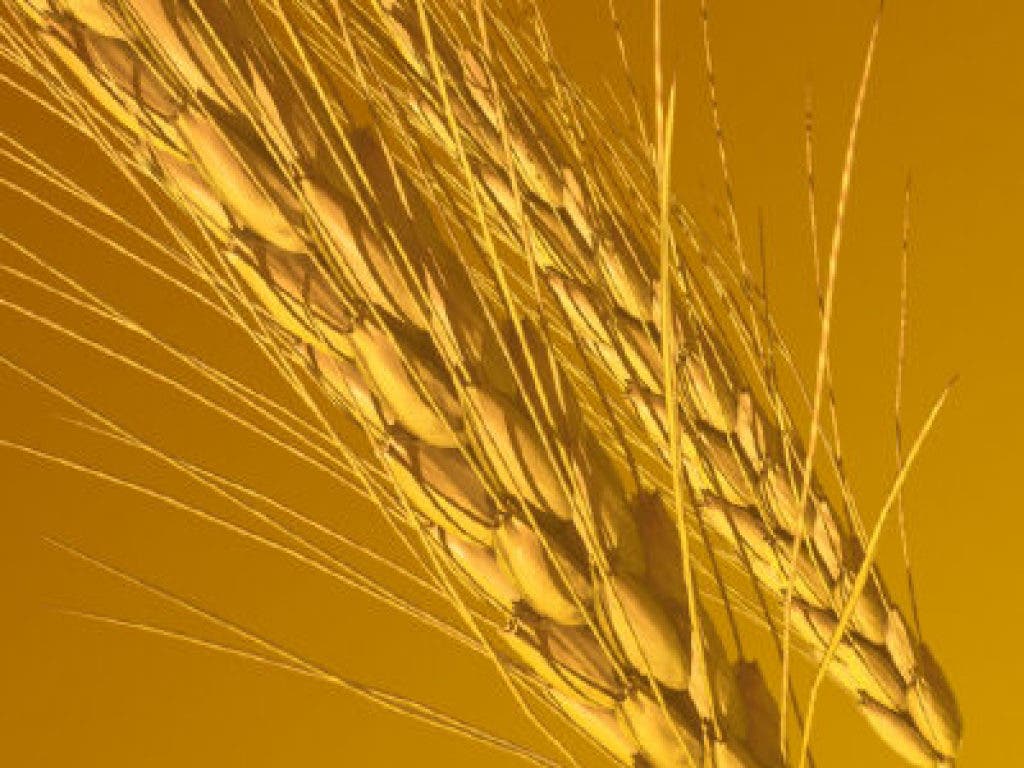
The smell of freshly baked bread, the lure of homemade cookies, the health of whole wheat…humans have been eating wheat for a REALLY long time right? Didn’t our ancient ancestors grow this stuff and hand-grind it into flour? Is this
gluten-free (GF) craze just plain CRAZY? What exactly IS gluten anyway?
As it turns out, according to cardiologist William Davis, author of New York
Times Bestseller “Wheat Belly”, gluten is a probably an even bigger issue than
we give it credit for, and it’s worth paying attention to. It’s the dominant protein found it wheat, rye, barley, spelt, triticale, bulgur and kamut. Most oats are contaminated with gluten too. It shouldn’t be news to anyone that it dominates the Standard American Diet, which is in fact, SAD. Dr. Davis sheds some interesting light on how the species of wheat that has come to pervade our diet is not even remotely close genetically speaking to the grain our ancients grew. Most of this change occurred with the dramatic upswing in hybridization in the latter part of the 20th century at the hands of science in order to improve yield. Although helpful for feeding the masses, this created new proteins with a gigillion possible health consequences that we had no way to track, not that any effort was made to.
Also interesting to note about our favorite dietary companion is its unique ability
to cross the blood-brain barrier. In our noggin, digested wheat proteins create a mild euphoric response. That’s right, eating wheat can give you a natural “high”. No wonder we love it. Some interesting studies have been conducted giving people naloxone, a drug blocking this pathway in the brain (used to treat heroin addicts). The findings revealed people consumed significantly LESS calories, especially gluten-based calories. Dr. Davis also pointed out that the glycemic index (ability to impact the blood sugar) of a piece of whole wheat bread is 72!! Traditional white table sugar is only 59. That means you’ll spike your blood sugar higher by eating a piece of “healthy” whole wheat bread than by eating a scoop of sugar right out of the bowl. Hello blood-sugar swings, may I have this dance?
So, what to conclude from all this gluten mumbo jumbo? In light of America’s belly-busting issue with obesity, and its close cousin diabetes, it might be in our best interest to limit if not E-liminate our wheaty friend. We all know that going low-fat and high carb wasn’t the answer. Eating only 100% whole wheat doesn’t appear to be either. GF? In the very least, gluten-dramaticallyreduced. Food for thought anyway.