Politics & Government
Western Springs Urged To Stop 'Bleeding' Of Money
A lawyer contends a subdivision's drainage project could be done for far less.


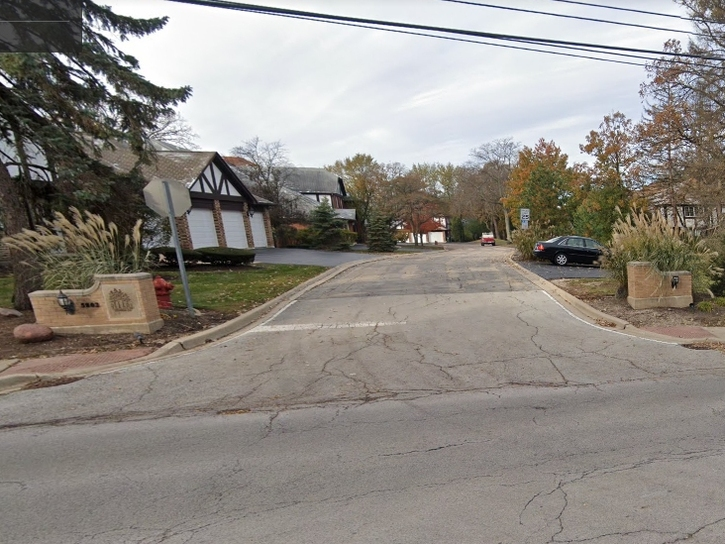
WESTERN SPRINGS, IL — A drainage project that was set to cost a Western Springs condo subdivision more than a half million could be done for a lot less than that, an attorney told the Village Board last week. The village was planning to chip in $188,000 because the project would benefit a nearby neighborhood that suffers drainage problems.
For the second meeting in a row, the board was asked to approve a project that would restore a drainage basin in the Ridgewood Oaks subdivision. The village has worked with the 74-member homeowners association for years on the project, which officials say would benefit the nearby Ridgewood neighborhood.
But last month, two residents told the Village Board they were upset with the project's cost, saying they received no notice of it.
Find out what's happening in Western Springsfor free with the latest updates from Patch.
At last Monday's board meeting, Stan Heidemann, the homeowners association's president, said the group met earlier this month and that 26 homeowners participated remotely. He said the association received support for continuing the project.
The construction cost, officials said, would amount to about $515,000, with the overall expense at $750,000. The costs were higher than normal because residents wanted to preserve mature oak trees, so they went with a retaining wall, instead of a less expensive earthen berm.
Find out what's happening in Western Springsfor free with the latest updates from Patch.
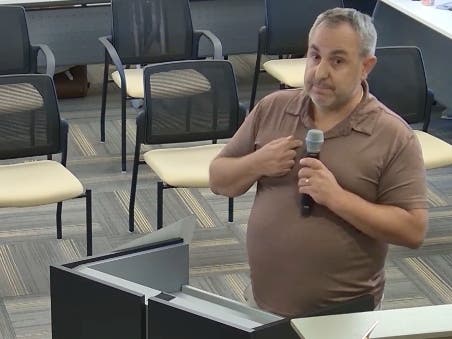
But attorney Larry Zdarsky, who said he represented the O'Donnell family and potentially others in the association, said many homeowners were concerned about the cost. At the association's meeting, he said, "no one got the sense that homeowners were 100 percent behind the project at the cost it is."
Three years ago, the association presented to the village waivers from a majority of residents showing support for the project. But that was when they were told it would cost $5,000 per home, Zdarsky said. That figure was used as recently as last year. Since then, it has ballooned to $11,000 per homeowner, Zdarsky said.
The lawyer said no one could provide his clients the cost of completing the project just to meet the minimum standards of the Metro Water Reclamation District, which is mandating the upgrades. So he said he consulted a suburban excavation expert, who estimated the project with an earthen berm would cost $80,000 to $120,000. And the expert indicated most of the mature trees could be saved in the project, Zdarsky said.
With the far lower cost, Zdarsky said, the association could handle the project on its own rather than having the village manage it. And the homeowners could pay off the loan for the project in two or three years, rather than over a decade, as originally proposed, Zdarsky said.
Zdarsky said he understood the village has already sunk money into the project, but it would still be advantageous to choose a cheaper alternative.
"If we went this route, it would stop the bleeding of taxpayers' money," he said. "You guys wouldn't be project managers. You wouldn't be fronting your reserves. You wouldn't have to come up with the full $188,000."
He said his clients did not see this as an adversarial situation with the village or association, but a win-win proposition for all involved.
In a discussion, village trustees did not rule out the idea of changing directions, but they said they wanted to recoup the money the village had paid for engineering and legal services. Those costs total about $220,000, they said.
"We have a mandate to get every cent of that back," Trustee James Tyrrell said. "We shouldn't put one cent into a private enterprise."
Trustees also agreed to hold off on a decision for two months, so the members of the association could work out the issues among themselves. This delays the start of the project until at least next spring.
Get more local news delivered straight to your inbox. Sign up for free Patch newsletters and alerts.