Crime & Safety
$100,000 Lost To 'Jamaican Money Laundering Scheme': Cops
An elderly Wilmette resident had been told she won a $1 million and a Mercedes Benz, police said.


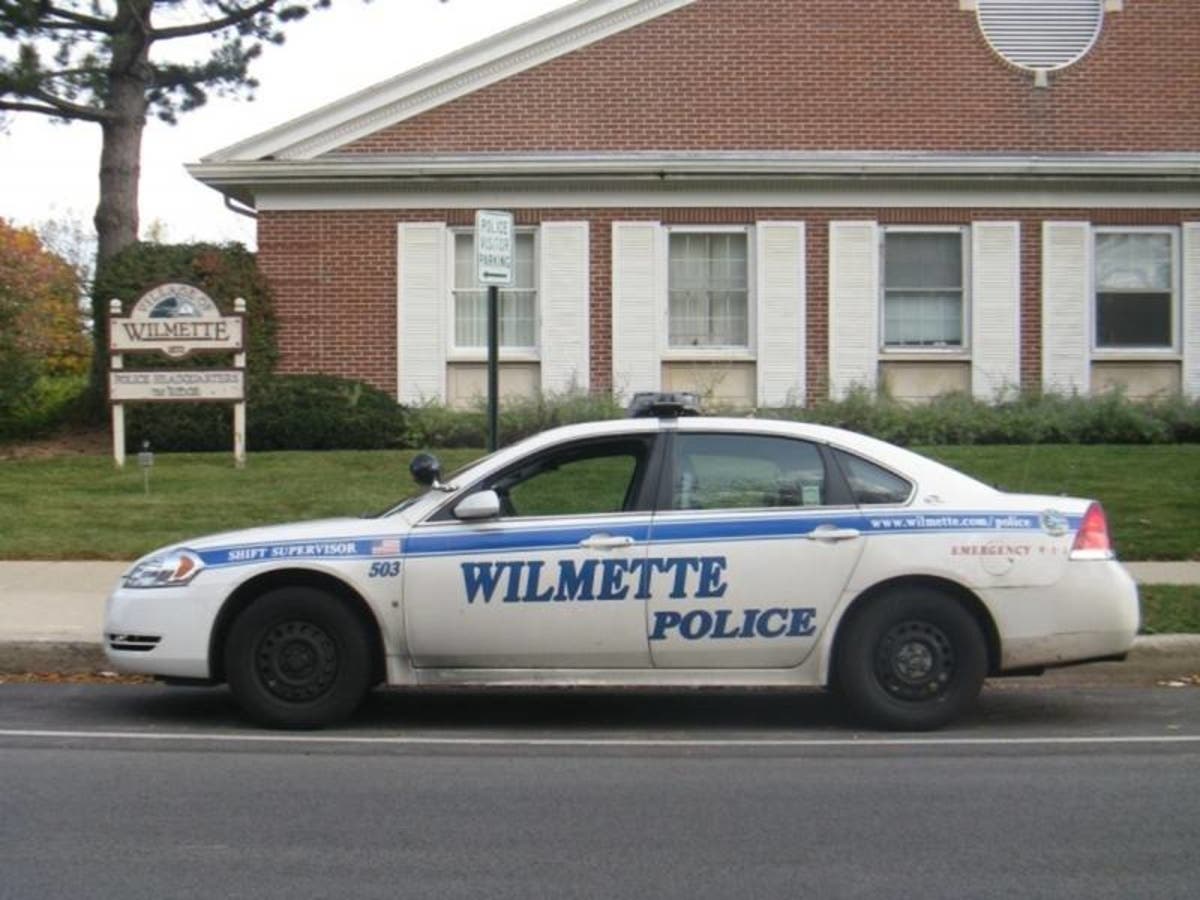
WILMETTE, IL — An elderly Wilmette woman who the victim of a financial scam believes she may have lost more than $100,000 in the course of a three-month scam, according to police reports. The woman had been caught in a "Jamaican money laundering scheme," she was informed on Oct. 3 by a representatives of the U.S. Postal Inspection Service.
The 81-year-old Wilmette resident told police she received a phone call in July 2017 from a man claiming that she had won $1 million and a new Mercedes Benz. She soon received documents, which appeared to have come from the Publishers Clearinghouse, confirming her win.
According to police reports, the caller identified himself as "Mr. Sayer." He told the woman to open up a new account with her bank, then he asked her to send blank checks to various addresses in Illinois and Florida.
Find out what's happening in Wilmette-Kenilworthfor free with the latest updates from Patch.
Police said there were numerous transactions between the newly established account and her old accounts. The investigation continues.
The USPIS has been working with Jamaican law enforcement for nearly a decade on Project JOLT (Jamaican Operations Linked to Telemarketing.) With dozens of arrests, indictments and convictions so far, the collaboration has shut down several of the telemarketing scam operations, which can provide financing to gangs for smuggling drugs and weapons. As part of the scams, money is routed through a network of victims domestically because it is mailed outside the country.
Find out what's happening in Wilmette-Kenilworthfor free with the latest updates from Patch.
Tips To Avoid Sweepstakes Scams
» via the Federal Trade Commission
Fraudulent telemarketers based in Jamaica are calling people in the U.S., telling them that they’ve won a sweepstakes or foreign lottery. The Federal Trade Commission (FTC), the nation’s consumer protection agency, U.S. Immigration and Customs Enforcement, and the Jamaican Constabulary Force say most of these promotions are likely to be phony — a trick to get you to part with some money — and they are working together to stop them.
The fraudulent telemarketers typically identify themselves as lawyers, customs officials or lottery representatives, and tell people they’ve won vacations, cars or thousands — even millions — of dollars. “Winners” need only pay fees for shipping, insurance, customs duties or taxes before they can claim their prizes.
Cross-Border Phone Fraud
It’s no wonder fraudulent telemarketers often target citizens across national borders. Some believe they won’t get caught if they target citizens in another country. They assume that their country’s law enforcement officials aren’t interested in building a case when the victims are in another country. They also believe that officials in the victims’ country won’t have the authority to investigate fraud calls from outside their borders. But U.S. authorities say these assumptions are dead wrong.
Partnerships among law enforcement agencies in the U.S. and Jamaica are making it tougher for cross-border scam artists to ply their deceitful tricks. The organizations are cooperating in an initiative called Project JOLT (Jamaican Operations Linked to Telemarketing), sharing information, investigators, and other resources; gathering consumer complaint information; and contributing to the legwork involved in building a case, including surveillance and interviewing victims. As a result, fraudulent telemarketing operations in Jamaica are being exposed and shut down.
People who report complaints about cross-border telemarketing fraud are providing information that is critical to putting these boiler rooms out of business. The FTC enters consumer complaints into the Consumer Sentinel Network, a database and investigative tool used by hundreds of civil and criminal law enforcement agencies in the U.S. and abroad. If you experience telemarketing fraud of any type, report it online to the FTC or call toll-free, 1-877-FTC-HELP (1-877-382-4357).
Recognize and Report Phone Fraud
More than ever, telephone hucksters are preying on consumers’ financial vulnerabilities and economic uncertainty. Here’s how you can recognize phony prize promotions and foreign lotteries:
Phony Prize Promotions and Sweepstakes Schemes
Fraudulent telemarketers often “guarantee” that you’ve won valuable prizes, like vacations, cars or large sums of cash. But they want you to pay “fees” for shipping, taxes, customs or other supposed expenses. If someone asks you to pay to claim a “prize” or “free” gift, it’s a trick. You may get a cheap gift that is worth far less than the “fees” you paid, or you may not get anything at all.
If you get a call from out of the blue telling you that “you’re a winner”:
- Don’t pay any money to collect supposed sweepstakes winnings. If you have to pay to collect your winnings, you’re not winning — you’re buying. Legitimate sweepstakes don’t require you to pay “insurance,” “taxes” or “shipping and handling charges” to collect your prize.
- Hold on to your money. Scammers pressure people to wire money through commercial money transfer companies because wiring money is the same as sending cash. When the money’s gone, there’s very little chance of recovery. Likewise, resist any push to send a check or money order by overnight delivery or courier. Con artists recommend these services so they can get their hands on your money before you realize you’ve been cheated.
- Remember that phone numbers can deceive. Internet technology allows con artists to disguise their area code so it looks like they’re calling from your local area. But they could be calling from anywhere in the world.
Foreign Lottery Scams
If you get a call offering you the chance to play a foreign lottery or telling you that you’ve won a foreign lottery, odds are good it’s a scam. First, it’s against federal law to play a foreign lottery. Second, most scam operators don’t buy the promised lottery tickets. Third, other scam artists buy the tickets, but keep the “winnings” for themselves. Finally, lottery hustlers use their victims’ bank account numbers to withdraw money without authorization or their credit card numbers to run up charges.
If you’re solicited to participate in a foreign lottery, say no. Instead, remember:
- Playing a foreign lottery — on the telephone or through the mail — is a violation of federal law.
- Buying even one foreign lottery ticket puts your name on “sucker lists” that fraudulent telemarketers buy and sell to each other. You will get many more bogus offers for lotteries or investment “opportunities.”
- Keeping your credit card and bank account numbers to yourself is your best course of action. Scam artists often ask for this information during an unsolicited sales pitch, and then use it to commit other frauds against you.
- If you get what looks like lottery material from a foreign country, give it to your local postmaster.
» Read more about prize scams from the Federal Trade Commission
Get more local news delivered straight to your inbox. Sign up for free Patch newsletters and alerts.