Schools
Functional Training and Functional Changes: Vern Gambetta's Influence on North Shore
In 2000, Athletic Director Pat McHugh brought in Vern Gambetta to discuss his innovative training techniques and stress the importance of preparation.


RELATED:
In 2000, Pat McHugh received a going-away present, even though he wasn’t going anywhere. When Julie Hall retired as head of school, she gave the option for ’s Masters-in Residence program to the athletic department.
The one-year program, which rotates between different school departments each year, gave McHugh the ability to bring in Vern Gambetta, one of the first people advocating functional athletic training. Although his ideas were considered radical at the time, Gambetta provided another voice — other than McHugh’s — that stressed the importance of training to North Shore’s coaching staff.
Find out what's happening in Winnetka-Glencoefor free with the latest updates from Patch.
“I had always heard of this guy Vern Gambetta,” McHugh said. “I had been working on this whole idea of how do you prepare kids and I wanted to bring someone in to work with our coaching staff about preparation.”
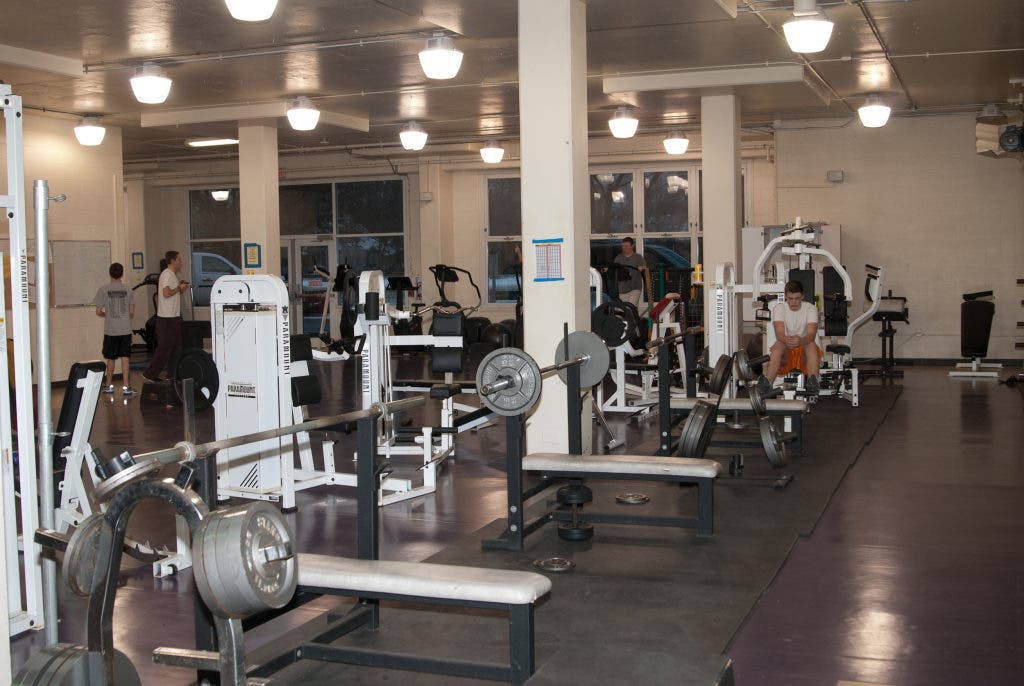
McHugh didn’t know Gambetta personally but he had read enough about his philosophies to recognize he was the right man for the job. Gambetta’s concept of functional training incorporated a variety of training methods that do not isolate certain muscles, like most weight training exercises. Instead, exercises are designed to simulate the motions and actions involved in sports and stimulate multiple muscle groups.
Find out what's happening in Winnetka-Glencoefor free with the latest updates from Patch.
One of Gambetta’s biggest changes for runners was replacing static stretching before races with a dynamic warm-up. Although static stretching typically followed a warm-up run, Gambetta replaced traditional stretches with motion drills designed to work those same muscles, but keep them from tightening up.
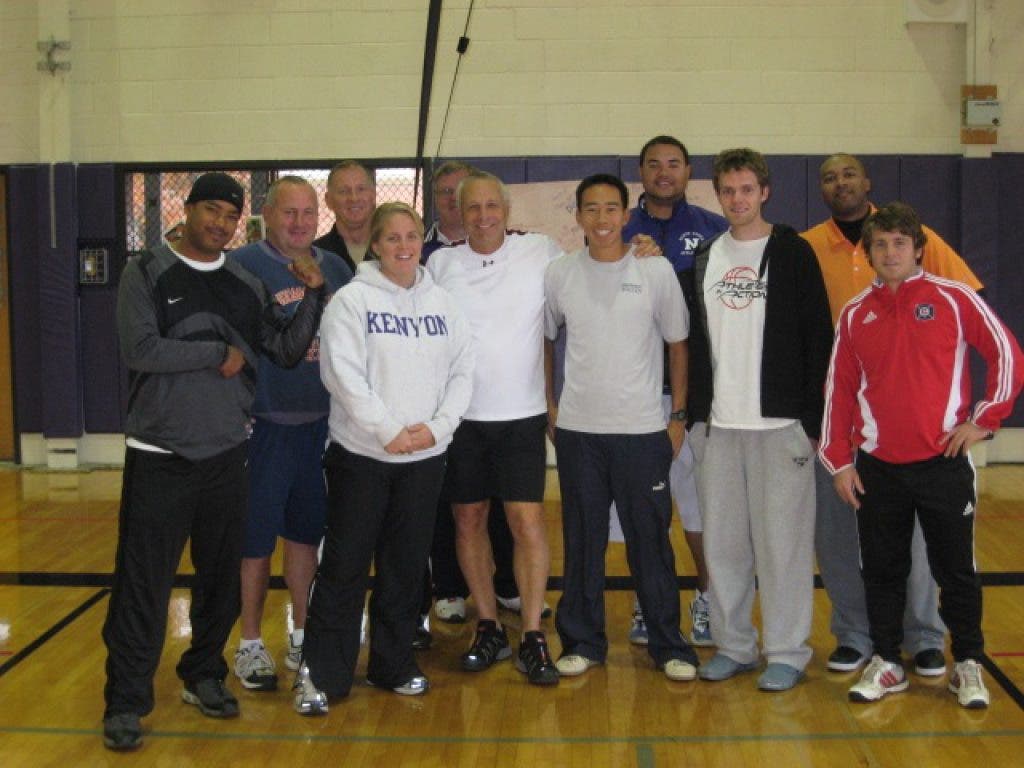
Gambetta’s career path wove through professional circuits before North Shore, as irector of onditioning with the Chicago White Sox, as an assistant conditioning coach for the Chicago Bulls, and as an advisor for the legendary University of North Carolina women’s soccer program. Yet McHugh convinced him to consult with North Shore. Gambetta came in to work with the staff three times during that school year, changing up the physical education department and athletic program.
“Sometimes coaches don’t like being pushed out of their comfort zone,” said McHugh, who also coaches the track teams at North Shore. “We didn’t necessarily have a lot of change from the entire coaching staff [immediately], although I changed completely.”
McHugh immediately started to implement Gambetta’s training techniques with the track team. His numbers grew and his teams began to see success.
Soon after, North Shore started winning championships in the Independent School League and Indian Trails Conference on an annual basis, and individuals were routinely making appearances at the state championship meet. Seyamack Afzali medaled in three events at state in 2002 and Kevin Costello qualified in both hurdle events in 2005.
“If I was to say what the biggest difference between 1994 and today is, it is so much emphasis on preparation and how you prepare,” McHugh said.
But no athlete had gotten to the top of the mountain. No one had won a state championship. One student-athlete would change that.
Stay tuned for Part Four on Thursday.