Politics & Government
Local Tax Share Goes Untouched in State Budget
A plan to withhold $100 million in taxes from local governments was left out of the 2012 budget, which passed through the legislature Tuesday.


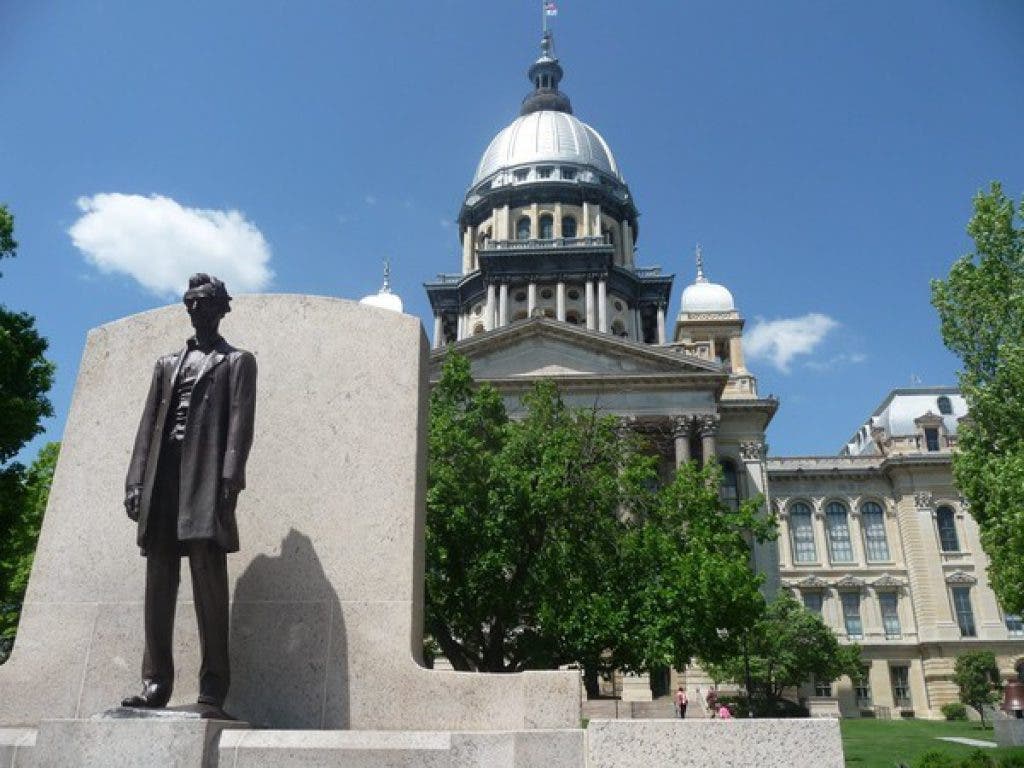
Local government officials across the state celebrated a major victory Tuesday as the Illinois General Assembly adjourned with a budget that leaves municipalities' income tax share intact.
Gov. Pat Quinn, who has not yet signed the $33.2 billion Fiscal Year 2012 budget, of the state retaining $100 million in tax revenue normally distributed to municipalities through the Local Government Distributive Fund. The plan would have been enacted to allow the state to pay back $4.5 billion in debt, he said.
The proposal was met with disbelief and hostility at the local level, with organizations like the Metropolitan Mayors Caucus and the Southwest Conference of Mayors speaking out on the detrimental impact it would have on local governments.
Find out what's happening in Woodridgefor free with the latest updates from Patch.
Prior to the 66-percent income tax increase adopted in January, municipalities received 10 percent of the state's income tax revenue. However, the local share was decreased to about 6 percent following the tax increase, according to the Illinois Municipal League.
Based on projections for fiscal year 2012, governments are expected to receive an estimated $73 per resident — down nearly $20 from what was received prior to the 2008 recession.
Find out what's happening in Woodridgefor free with the latest updates from Patch.
The village would have lost $800,000 if the state diverted all of the tax revenue from Woodridge.
“We spent a lot of time communicating to our state legislators that the preservation of the funding was not only the right thing to do, but imperative in order to maintain basic service levels,” said Mayor Murphy. “Clearly, they had to make many difficult budget cuts and very tough decisions. On behalf of the Woodridge community, we sincerely thank them for their leadership in preserving the local share of LGDF.”
Although the new budget includes municipalities' share of the tax revenue, the problem of late payments from the state is not expected to disappear. In fact, it may get worse.
According to an Illinois Statehouse News story, the 2012 budget (which takes effect July 1) was balanced by delaying the payment of billions in unpaid bills.
Peggy Halik, assistant village administrator for the Village of Woodridge, said in April that the state of Illinois owes the village three months worth of money, and at some points the state has owed the village five to six months of money.
Whatever the speed of the payments, the Illinois Municipal League is calling it a win.
“This is a major victory for cities and counties who fought diligently to preserve their portion of the income tax,” the League wrote in a post to their website Wednesday.
“The IML staff thank all of you wholeheartedly for your perseverance to send the message to legislators and the governor.”
Montgomery Patch Editor Andre Salles contributed to this report.
Get more local news delivered straight to your inbox. Sign up for free Patch newsletters and alerts.