Politics & Government
Village Board Moves Forward with Pine Ridge Senior Housing Development
Woodridge trustees will request quotation to begin search for project's developer.


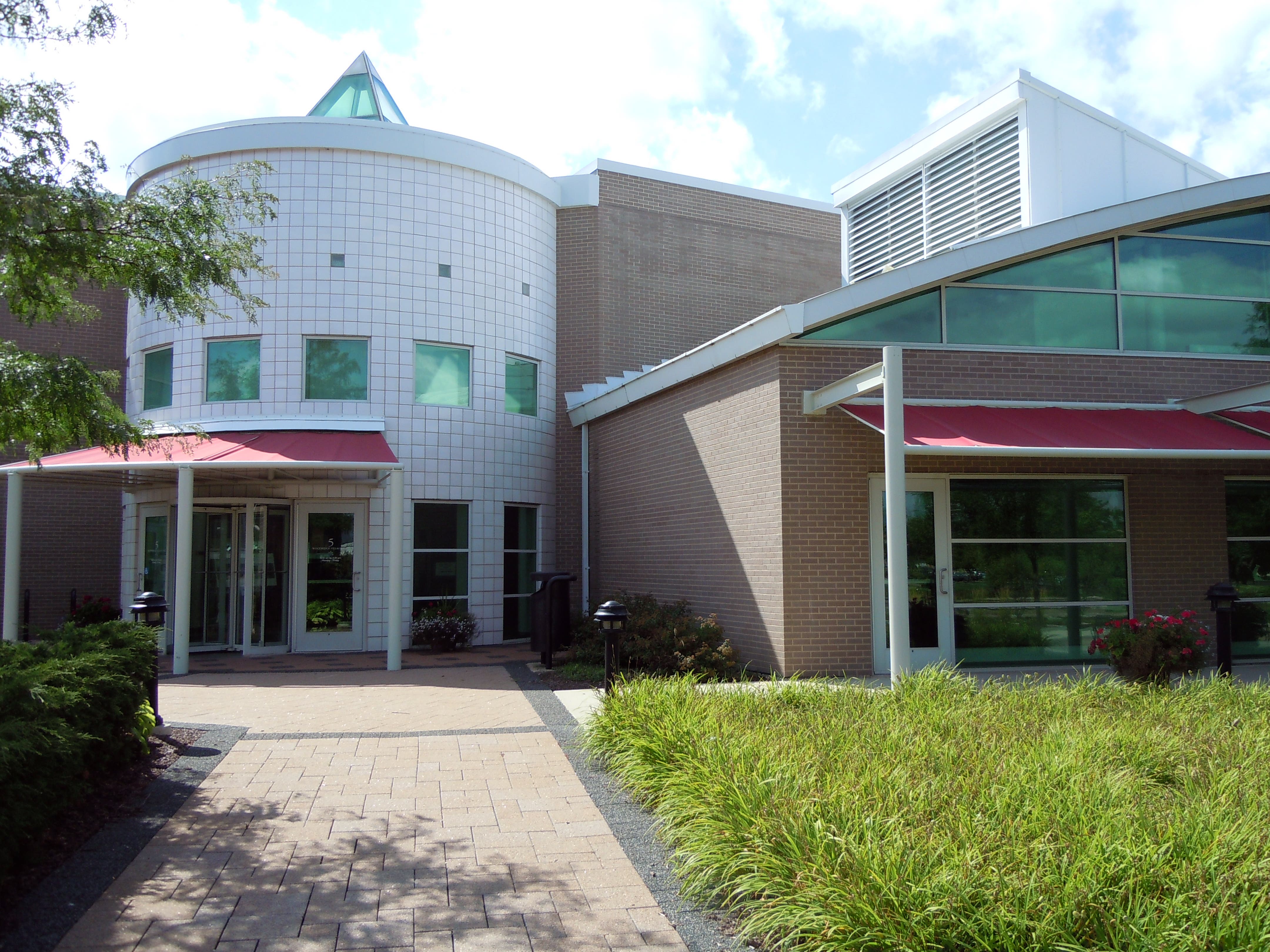
The Woodridge village board agreed Thursday night to proceed with the construction of a senior housing facility in the Pine Ridge development along Janes Avenue.
But how many units will be built, what the facility will look like and how much the village could stand to lose from the project remained unanswered.
The village board also discussed a second senior housing project in the Janes Avenue TIF District. For more information on that project, click here.
Find out what's happening in Woodridgefor free with the latest updates from Patch.
Prepping Pine Ridge for senior housing
The village with the intention of turning the property into senior housing. The 32-unit apartment building that sat on the land was demolished this spring.
Find out what's happening in Woodridgefor free with the latest updates from Patch.
The rest of the apartment complex will be renovated into 123 condominiums,
While the village had already purchased the land, the village board decided to
The study focuses on the current state of the senior housing market and how to best market Woodridge's site to developers.
The results of that study, produced by Valerie S. Kretchmer Associates, Inc., were presented at Thursday night's meeting.
Kretchmer Associates had studied the demand for senior housing in Woodridge's market area, which constitutes a 5-mile radius around Woodridge. The study concluded that there was enough demand from seniors within five miles of the site to support the project.
Following the presentation, each village trustee was asked if he or she supported senior housing at the location.
Trustee David Pittinger voiced confusion at the question, citing the time and money the village has already devoted to the project.
Trustee Greg Abbott was not in attendance.
The proposal
To make the development financially viable, the study recommended a mix of low-income housing tax credit and market rate independent living apartments.
Here's what that means:
There are several types of senior housing to cater to seniors of different income levels and assistance needs.
Independent living suits tenants who require little to no assistance in daily activities. Assisted or supportive living suits tenants who do.
How much the tenant pays to live in the facility depends if the apartment is market rate or low-income housing tax credit.
In a market rate apartment, rent is determined by the market (what people are willing and able to pay), which tenants pay in full. Tenants in these apartments typically make more than $35,000 per year.
In a low-income housing tax credit facility, there is a maximum rent a developer can charge his or her tenants. This amount is set by the Illinois Housing Development Authority. The tenants in these apartments typically make $10,000 to $35,000 per year.
In exchange for capping rent, the developer receives a tax credit, which can be purchased by another bank or company. The developer uses that credit to offset the money he or she would otherwise receive to finance the facility.
The mixed-income facility would offer studio and one- or two-bedroom apartments. There might be amenities such as a community room, library/computer room, exercise room and some scheduled activities. Meals may or may not be offered.
Anywhere from 10 to 60 percent of the apartments would be market rate. The rest would be low-income housing tax credit.
Financial concerns
Some village trustees voiced concerns over the cost of the project; others said the benefits would outweigh the cost.
Trustees David Pittinger and Joseph Kagann questioned developing a second proposed site for senior housing, citing concerns that Pine Ridge would already cost the village money.
"We have no idea what our overall lose or gain is going to be on [the Pine Ridge] property," Pittinger said. "To be fair, it will be a loss ... We've already bitten off quite a bit."
Kagann weighed the potential economic loss with the benefit of having senior housing.
"It's a bad precedent for the village to buy property and then sell it for less than we got it for," Kagann said. "It's an asset in the community ... that offsets it a little bit to take the loss on it."
Trustee Anne Banks said providing affordable housing for seniors would benefit everyone.
"Anytime we have a situation where we base a project on income and include people that don't have the income but still warrant and deserve a decent place to live in their senior years, that's an advantage to everyone involved," she said.
Trustee Gina Cunningham-Picek agreed.
"To me, it's a tremendous future benefit to the community for us to have senior housing," she said. "It's a tremendous opportunity for us."
What's next
The village board decided to put out a RFQ, or request for quotation, to start the selection process of the site developer. Once developers respond, the village will establish a committee to review proposals and choose a developer for the project.
The developer would then need to apply for low-income housing tax credit status, which Kagann called a "long, arduous process." There are two kinds of tax credit status: 4 percent and 9 percent.
The 9 percent would provide more of a tax credit and, therefore, is more competitive and involves a longer selection process.
Get more local news delivered straight to your inbox. Sign up for free Patch newsletters and alerts.