Politics & Government
Village of Woodridge Endorses Public Safety Pension Overhaul
Read on for the village's position and the counter-arguments from public safety officials.


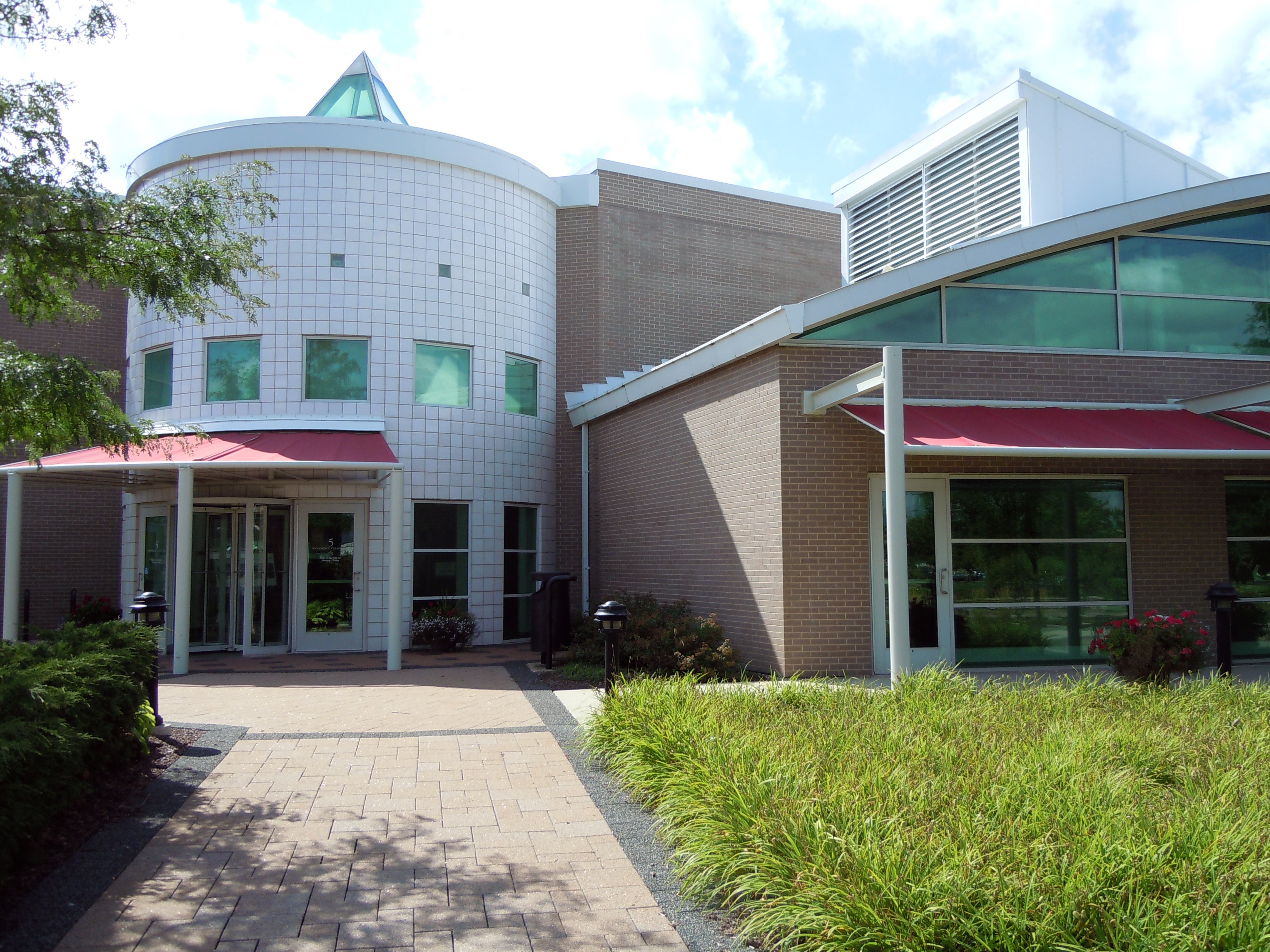
The detailed its continued position for public safety pension reforms in a release last week.
The full press release is posted below. However, it's only one side of the story. That's why we posted a response from public safety officials Patch gathered in late 2010 about a
The press release is in regular text. The response from public safety officials is in italics.
Find out what's happening in Woodridgefor free with the latest updates from Patch.
---
As local governments struggle to balance their budgets in the midst of skyrocketing public safety pension costs, municipalities across Illinois are urging Springfield lawmakers to vote in favor of reforms for police officer and firefighter pension systems before the end of the current legislative session.
Find out what's happening in Woodridgefor free with the latest updates from Patch.
Across the state, these rising costs have created staggering structural deficits that threaten future benefits and could render local police and fire retirement benefit systems financially insolvent.
Failing to address these widening unfunded liabilities will translate to higher local property taxes, cuts in essential services or public safety layoffs for local residents across the state.
“The rising pension costs are essentially unfunded mandates that have placed an unsustainable burden on municipalities, our budgets and our taxpayers who have to fund them,” said Woodridge Mayor William F. Murphy.
"(The village doesn't) explain to you how (the police pension fund) works," said Woodridge Police Pension Board President Bill Hoogland. "They just say that it's costing them money. They don't say the reason it's costing them much is because they didn't pay into it before."
Hoogland argues that the village should have been paying more into the fund than it had in the past. Doing so would have prevented the burden the pension fund is having on the village now, he said.
Hoogland said the Department of Insurance advises municipalities on how much they should contribute to their public safety pension funds so that they can be fully funded. The village has been paying less than recommended, he said.
Village Administrator Rush said the village has paid into the police pension fund the amount that it has been advised to, based on the money available to the village. The only exceptions would have been a couple times in the 1980's, she said.
In Woodridge, the municipality’s police fund was 78 percent funded in 2000, while it was only funded at 57 percent in 2010. This is despite taxpayer contributions of $1,069,703 in 2010 as compared to $172,026 in 2000.
Woodridge and scores of municipalities across the state have united in the Pension Fairness for Illinois Communities Coalition (PFICC), which is seeking to address dramatic increases in police and fire pension obligations that local communities must cover through property taxes.
While most of the discussion surrounding pension reform this year has involved state employees, the PFICC, which held a press conference recently with Chicago Mayor Rahm Emanuel, is highlighting the fact that soaring pension costs are not confined to state government.
Benefit enhancements were approved at the state level throughout the years without providing a funding mechanism or calculating taxpayers’ ability to pay. Though the economic recession had a significant impact on pension investments recently, a severe imbalance between employee contributions and what was required from local taxpayers has been created by these enhancements. Municipalities have been struggling for years with the structural deficits and unfunded liabilities created by the pension systems.
The PFICC has outlined some long-term solutions aimed at reforming public pensions that would provide relief for taxpayers, including:
- Requiring public safety employees to contribute more toward the cost of their pensions. Currently, employees only contribute about one-third while taxpayers pay the remainder
Illinois police officers pay 9.91 percent of their salary, after taxes, to their pensions, Hoogland said. The average citizen pays 6.2 percent toward Social Security. Police officers don't receive Social Security, he said. Police officers also don't have health insurance.
Since firefighters don't have Medicare, Lisle-Woodridge Fire Department Pension Board President Joe Pawlisz said paying for his family's health insurance will take a big chunk out of his pension check when he retires.
"When I retire, my twins will be just getting out of high school, and I will be carrying them on my insurance for quite awhile," he said.
"Health insurance for a family is just over $1,000 a month. If I receive $3,700 a month, I'm dealing with $2,700 a month for food and medicine and that sort of thing."
Pawlisz said the trustees should have been putting more money into the fund, especially in the 1990's when return rates on investments were much higher than they are today. Those high return rates would have helped prevent problems funding pensions in the future.
- Adjusting cost-of-living-increases from the current 3 percent so they are “right sized” and not compounded annually
- Increasing the retirement age for public safety employees, who can now retire with full benefits at the age of 50, and – in many cases – receive benefits for longer than they worked for the municipality
President of the Lisle-Woodridge Fire Department Board of Trustees Zachary Lawrence said he understands the firefighters' side of the argument. Firefighters earn their pensions and are entitled to them because of the dangerous work they do, he said.
Lawrence has some personal experience to attest to. He said he had to find his way out of a burning room for training.
"They put me in a burning room with a hay bale that was lit in the fire and I had to find my way out of the room," he said. "I don't want to do that for a living. And then they have to find people who are hurt?"
"This is a young person's job," Pawlisz said. "Once you get past the age of 55, I'd say, that's really where you shouldn't be doing this job anymore."
Hoogland said he's concerned that older police officers will be at greater risk for injury. He also questions whether the community would feel safe with older first responders.
"If your house is on fire, do you want a 55-year-old firefighter taking care of it or a 30-year-old?" he said.
Rush said on the administrative side of things, it wouldn't make sense to put older firefighters on the scene, where they would be more at risk for injury. The benefits package for an injured firefighter would put more of a drain on the village than for a retiree. But she thinks 50 is too young to receive a maximum pension.
"We're not saying people have to work until the retirement age," she said. "You just have to work until then if you want the maximum pension."
- Consolidating the 638 individual public safety pension funds into a multiple employer pension system similar to the Illinois Municipal Retirement Fund to increase investment returns and lower overall operational expenses.
Get more local news delivered straight to your inbox. Sign up for free Patch newsletters and alerts.