Health & Fitness
2017 Flu Season Peak Begins Says CDC
Millions of flu shots have been distributed, and as the season peak nears in Maryland there is time to get vaccinated, say health experts.


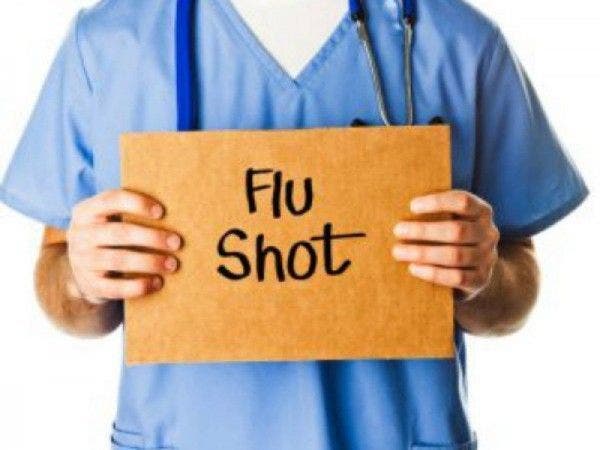
Aches, pains, fever: Flu cases are increasing nationwide, and Maryland is not immune. The most recent update from the Centers for Disease Control says widespread influenza cases were reported in Maryland and 36 other states.
There is still time to get a flu shot to vaccinate against the three most common viruses, if you didn't get vaccinated in the fall. Get vaccinated soon, because it takes two weeks for the vaccine to get working. The Centers for Disease Control and Prevention says everyone 6 months and older should get aflu vaccine every year by the end of October, if possible.
The proportion of people seeing a doctor for flu symptoms has been at or above the national norm for six consecutive weeks so far this season, the CDC said on Jan. 21, the date of its most recent data. Influenza A (H3) viruses are the most common flu strain sickening folks.
Find out what's happening in Annapolisfor free with the latest updates from Patch.
The Walgreens Flu Index for Jan. 29 puts Maryland about in the middle of the pack for flu cases nationwide. You can search the app by city and state to see how widespread the flu is in your area.
And doctors say if you have the flu stay home from school or work. Don't spread the virus.
Find out what's happening in Annapolisfor free with the latest updates from Patch.
Flu symptoms include:
- fever
- cough
- sore throat
- runny or stuffy nose
- body aches
- headache
- chills
- fatigue
- sometimes diarrhea and vomiting
Most people can stay home and tough out the flu, but some people are at high risk of serious flu-related complications (including young children, people 65 and older, pregnant women and people with certain medical conditions), says the CDC. If you are in a high risk group and develop flu symptoms, contact your doctor right away to get antiviral drugs as early as possible.
CDC health officials say the nasal spray shouldn't be used in the 2016-2017 flu season because recent studies show it's not effective in preventing the flu.
The many flu viruses are constantly changing, and the Centers for Disease Control says it reviews and updates U.S. flu vaccines every year to match circulating flu viruses. Flu vaccines protect against the three or four viruses that research suggests will be most common. For 2016-2017, three-component vaccines are recommended to contain:
- A/California/7/2009 (H1N1)pdm09-like virus,
- A/Hong Kong/4801/2014 (H3N2)-like virus and a
- B/Brisbane/60/2008-like virus (B/Victoria lineage).
The flu bug began to strike in October, but most of the time flu activity peaks between December and March and can last as late as May.
And health officials refute the old wives' tale: You can't get the flu from the flu shot.
Flu vaccination can reduce illnesses, doctors’ visits, and missed work and school due to flu, as well as prevent flu-related hospitalizations, says the CDC. The more people who get vaccinated, the more people will be protected from flu, including older people, very young children, pregnant women and people with certain health conditions who are more vulnerable to serious flu complications.
The agency recommends several steps to fighting the flu: vaccination; everyday preventive actions, like staying away from sick people; and washing your hands to reduce the spread of germs. If you are sick with flu, stay home from work or school to prevent spreading flu to others. In addition, there are prescription antiviral drugs can treat people who are very sick with the flu or are at high risk for serious flu complications.
Among those who are at higher risk for developing flu-related complications are children younger than 5, especially if they are younger than 2; adults who are 65 and older; pregnant women; and people with asthma and chronic lung diseases, says the Maryland Department of Health and Mental Hygiene in Baltimore. People with diabetes and heart disease should also take special care to stay safe from infections.
»Photo from Shutterstock
Get more local news delivered straight to your inbox. Sign up for free Patch newsletters and alerts.