Politics & Government
Behavioral Health Advocates Seek ‘Sensible' Provider Payment Boost Amid Workforce Shortage
The proposed budget would cut $155 million from the Behavioral Health Administration.
March 5, 2026
Advocates know Maryland lawmakers are working with a tight budget this year but worry that another year without rate increases for behavioral health professionals will worsen a 34,000-person workforce shortage and threaten the services that struggling Marylanders need.
Find out what's happening in Annapolisfor free with the latest updates from Patch.
Shabazz Holt, a peer-recovery specialist with On Our Own of Frederick County, was one of several behavioral health providers and activists who came to Annapolis Wednesday urging lawmakers to boost state funding to pay providers offering those services.
“My life changed because these services existed. I once relied on the very funding we are discussing today,” he told the House Appropriations Subcommittee on Health and Social Services. “Because of that investment, I have transitioned from participant to provider.
Find out what's happening in Annapolisfor free with the latest updates from Patch.
“Community-based providers like ours serve individuals who are unhoused, living with mental health challenges, navigating substance use disorders or returning home from incarceration,” Holt said. “We respectfully ask for a 3% provider rate adjustment, to retain staff and to sustain life-saving services.”
Delegates on the subcommittee were sympathetic to the concerns raised by providers and advocates. But additional funds may be hard to come by, as lawmakers face a $1.6 billion budget deficit, which will likely require cost-containment efforts and other cuts to state programs in fiscal 2027.
Gov. Wes Moore’s (D) proposed fiscal 2027 budget would cut $155.8 million from the Department of Health’s Behavioral Health Administration, a 3.8% reduction from the current fiscal year. The governor’s budget would still leave $3.9 billion for behavioral health services in fiscal 2027.

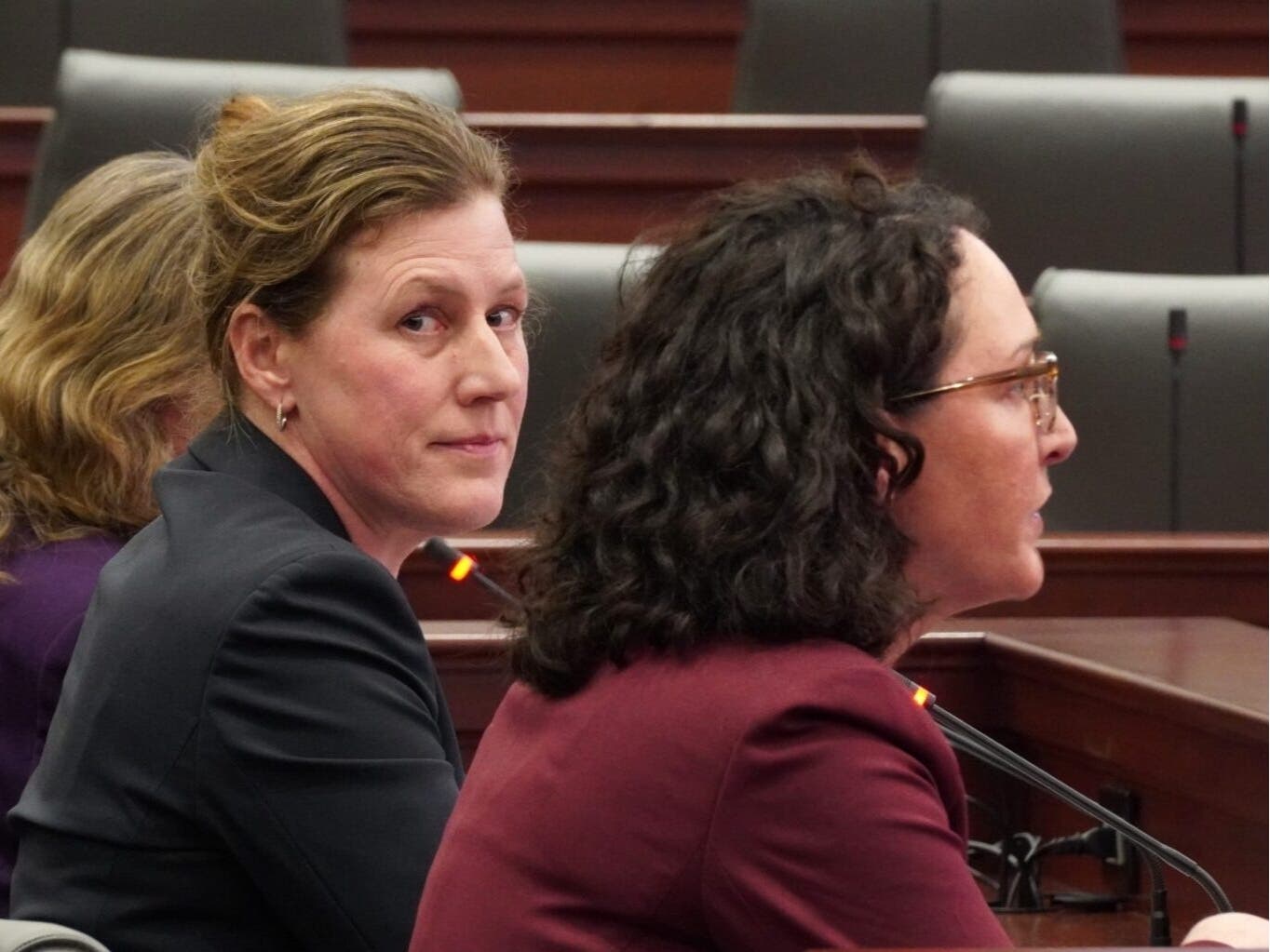
Shabazz Holt, a certified peer recovery specialists, says that investing in behavioral health programs helps support other state programs. (Photo by Danielle J. Brown/Maryland Matters)
The Behavioral Health Administration oversees services for a wide range of challenges Marylanders may face, such as substance use disorders, mental health needs, and problem gambling disorders. The agency also oversees provider reimbursements for behavioral health services through Medicaid and through the state’s Public Behavioral Health System.
Health Secretary Dr. Meena Seshamani said that behavioral health is a “cornerstone” of keeping Marylanders healthy.
“We look forward to continuing to work with … members of the Maryland General Assembly, our advocates and our communities, as we together pursue our collective vision of a high-quality health care system,” she said at the hearing.
She noted that the proposed budget currently includes millions for other programs related to behavioral health, such as 24-hour mobile crisis teams and support for crisis stabilization centers in Montgomery and Prince George’s counties, among other initiatives.
But advocates worry that insufficient funding and another year without rate increases for providers could destabilize behavioral health resources across the state.
“Last year’s level funding left half our members operating in a deficit. Level funding this year will mean we’re shrinking our capacity in the face of that need,” said Shannon Hall, executive director of Community Behavioral Health Association of Maryland.
Cari Guthrie, CEO of Cornerstone mental health facilities, said her organization is losing staff due to low pay.
“We have not given raises to all of our staff in three years. Salaries are insufficient. We lose staff to government, schools and hospitals,” she said.
A report from 2024 said wages were a significant contributor to the state’s ongoing workforce shortage in behavioral health services. That report said Maryland needed to attract more than 30,000 new behavioral health professionals by 2028 to keep up with anticipated demand.
Meanwhile, the need for services is growing in Maryland – in fact, higher-than-anticipated utilization of behavioral health resources has contributed to some of the current fiscal challenges.
Maryland needs another 30,000 behavioral health workers to meet growing demand
In January, state analysts reported that Maryland spent about $778 million more than what analysts forecast over the current fiscal year, with Medicaid behavioral health services contributing $217 million of that overspending.
But advocates say the state should still invest more behavioral health services, rather than letting the reimbursement rates stagnate.
During his testimony, Holt from Frederick County noted that a good behavioral health system can take demand off other state services.
“Our work also strengthens public systems – reducing unnecessary arrests, emergency room visits, strain on EMS [emergency medical services] and our courts,” he said. “Investing in community behavioral health is both fiscally responsible and deeply human. Maryland’s most vulnerable residents are counting on it.”
Adrienne Breidenstine, vice president of policy and communications for Behavioral Health System Baltimore, said that some providers may have to shut down if faced with another year without increased rates.
“We work with providers on a regular basis and several of them have come to us, even recently, saying that they may need to scale back or close their doors,” she told the subcommittee. “We don’t want to see that happen.”
Ann Geddes with the Mental Health Association of Maryland, believes that a 3% rate increase is a “sensible decision” even in this tough budget year.
“This is a necessity … Low pay is the number one reason for this workforce crisis,” she said. “Like last year, Maryland once again is facing a daunting budget shortfall, we recognize the challenge and understand that difficult decisions have to be made, but we believe that a 3% funding increase for community behavioral health care is a sensible decision.”