Health & Fitness
First Heat Death Of 2018 Confirmed In Anne Arundel County
The first heat-related death of the season has been confirmed in Anne Arundel County, plus tips on how to cope with the heat, humidity.


ANNAPOLIS, MD – Anne Arundel County’s first heat-related death of 2018 has been confirmed by health officials, who urge residents to stay hydrated and in air conditioned buildings. The victim was a man between age 45 and 64. A Prince George's County man between the ages of 18 and 44 who died in June was the state's first heat death of the year.
In 2017, there were two heat-related deaths reported in Anne Arundel County. Both victims were older than 65 and had no air conditioning at their homes, county health officials said. There were a total of five heat-related deaths in all of Maryland last year.
“It is important for county residents to take precautions to prevent heat-related illnesses and death,” said Acting Health Officer Frances Phillips in a news release. “Stay in an air-conditioned location whenever possible. Drink water to remain hydrated. Never leave any person or pet in a hot vehicle. Check on relatives and neighbors during periods of extreme heat.”
Find out what's happening in Annapolisfor free with the latest updates from Patch.
Although anyone can suffer from heat-related illness, the people who are most at risk are children under the age of five, seniors over age 65, people with chronic illnesses and disabilities, and individuals taking certain medications.
(For more news like this, find your local Patch here. If you have an iPhone, click here to get the free Patch iPhone app; download the free Patch Android app here. And like Patch on Facebook!)
Find out what's happening in Annapolisfor free with the latest updates from Patch.
Heat-related illnesses happen more commonly when it is humid outside.
"The body normally cools itself by sweating," according to the Maryland Department of Health website. "As sweat evaporates from the skin, it lowers body temperature. But on hot, humid days, moisture in the air keeps sweat from evaporating fast enough. When this happens, body temperature can rise and make you feel sick."
When temperatures and humidity climb, you run the risk of the following illnesses, as listed by the Maryland Department of Health:
- Heat cramps: Short, severe cramps in the muscles of the leg, arm, or abdomen. This can happen during or after heavy exercise in extreme heat. Heavy sweating uses the body's supply of salts, which causes cramps. Heat cramps also may be a symptom of heat exhaustion.
- Heat exhaustion: Occurs when a person spends time in a hot environment without drinking enough fluids. Symptoms include extreme thirst, fatigue, weakness, clammy skin, nausea or vomiting, and rapid breathing.
- Heat stroke: The most serious heat-related illness. Heat stroke occurs when body temperature rises to as much as 106°F or higher within 10 to 15 minutes. Heat stroke can cause death or permanent disability if emergency treatment is not provided. Symptoms of heat stroke include red, hot, and dry skin, no sweating, and rapid, weak pulse.
To combat the heat you should:
- Drink fluids. Water is the best fluid to drink.
- Wear loose-fitting, lightweight and light-colored clothing to protect against the sun’s rays.
- Wear sunglasses and a wide-brimmed light-colored hat.
- Remember to use sunscreen with an SPF 30 or higher to protect your skin.
- Never leave children or pets in a car unattended — even with the windows open!
- Instead of large meals, eat smaller meals more frequently.
- Limit strenuous activities outdoors. Slow down and take frequent breaks.
- Limit outdoor activities from 10 a.m. to 2 p.m. and on days when poor air quality is announced.
- Check frequently on the elderly and those in poor health. They may not be able to handle heat stress as well.
For more hot weather health tips, visit www.aahealth.org/heat.
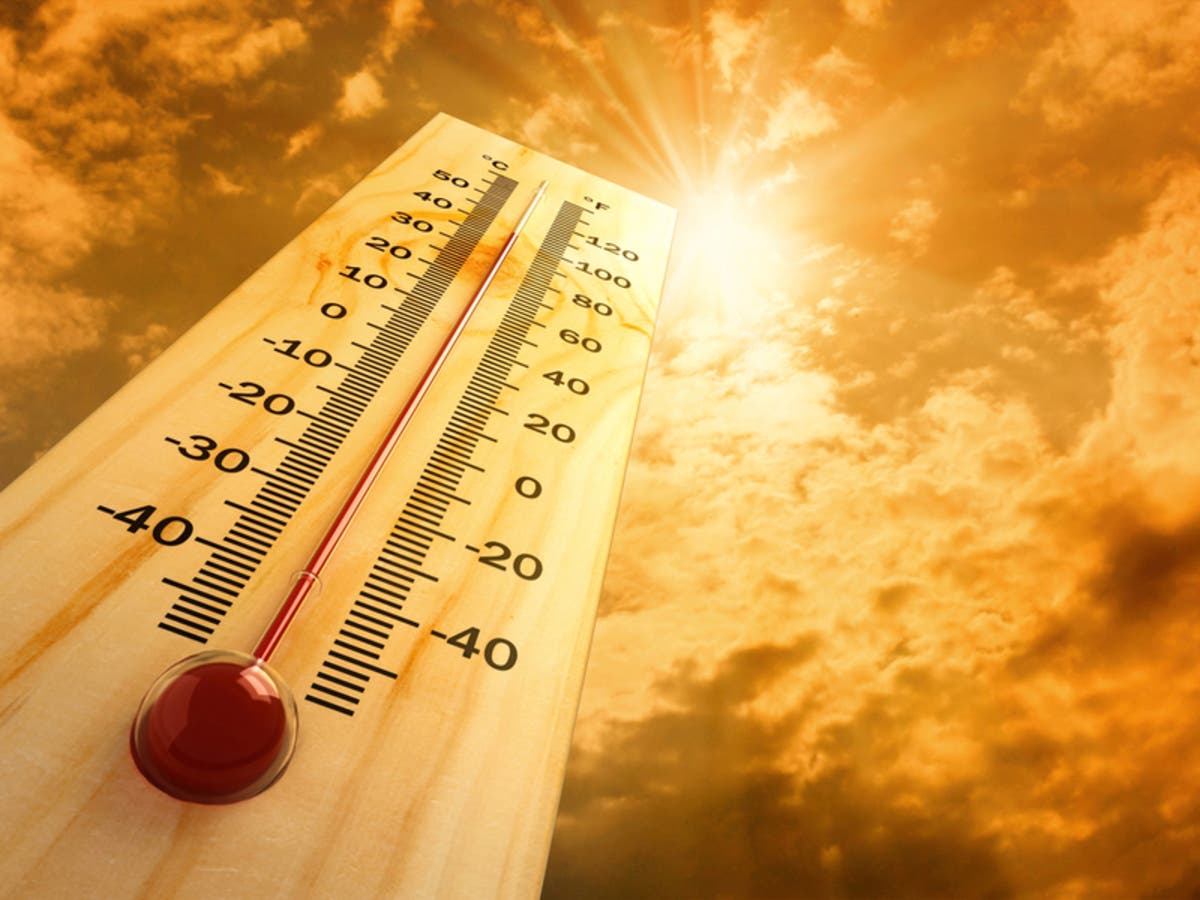
Image via Shutterstock
Get more local news delivered straight to your inbox. Sign up for free Patch newsletters and alerts.