Home & Garden
'Glowing' Eta Aquarid Meteor Shower Peaks This Week Over Maryland Skies
The meteor shower that originates from Halley's Comet will be visible across the United States. Will Maryland weather cooperate this week?


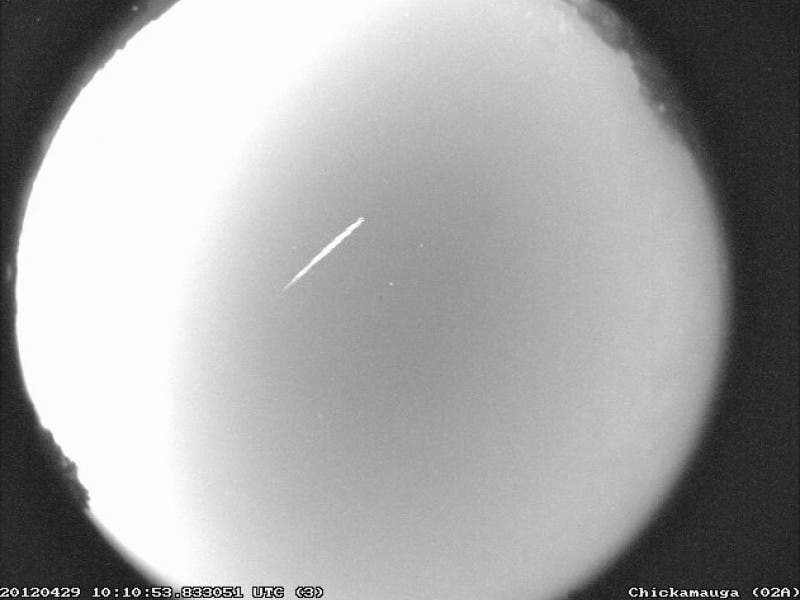
BALTIMORE, MD — Maryland's soggy skies might make it tough to view Thursday’s Eta Aquarids meteor shower. But the chances of catching a celestial show improve into the weekend.
And the meteor shower's active range lasts until late May, so the odds are good you can see some streaks across the sky whenever there is a clear night this month.
According to NASA, the Eta Aquarids meteor shower is set to peak Thursday, May 5. The meteor shower originates from Halley’s Comet and is expected to put on quite a show over the next few days.
Find out what's happening in Annapolisfor free with the latest updates from Patch.
“This year the Eta Aquarids will peak during daylight hours of 5 May across the United States,” NASA wrote in its website. “Slightly higher rates are likely overnight May 4-5 than on May 5-6 but the shower’s broad peak means that both nights will have meteors.”
Thursday night viewing conditions won’t be great, but skies over much of Maryland should start to clear Friday night, the National Weather Service says.
Find out what's happening in Annapolisfor free with the latest updates from Patch.
See Also
The shower technically has an active range this year that began April 19 and is expected to end May 28. The May 5 peak should deliver a meteor count of about 10 to 20 an hour, NASA says.
The Eta Aquarids are famed for their speed. These meteors are known to travel at roughly 148,000 mph, NASA noted, adding that they can leave “glowing ‘trains’ which last for several seconds to minutes.”
The shower is visible in both the Northern and Southern hemispheres most especially in the pre-dawn hours, NASA notes. The Southern Hemisphere will enjoy the best viewing, but for those in the Northern Hemisphere, including Tampa Bay, an hourly rate of about 10 meteors should still be visible.
NASA says the constellation Aquarius, which is “home to the radiant of the Eta Aquarids” happens to be higher up in the sky in the Southern Hemisphere. Northern Hemisphere viewers, however, do get the thrill of seeing the meteors as “earthgrazers,” which are meteors that look like they are skimming the surface of the earth at the horizon, NASA said.
For best viewing, NASA recommends finding a dark area away from city and street lights. Viewers should look to the east to spot the meteors as they skim past.
“Be patient,” NASA advises. “The show will last until dawn, so you have plenty of time to catch a glimpse.”
Reporting by Sherri Lonon, Patch staff
Photo of an Eta Aquarid meteor courtesy of NASA
Get more local news delivered straight to your inbox. Sign up for free Patch newsletters and alerts.


