Health & Fitness
Mosquito Spraying Begins, 17 Zika Virus Cases in Maryland
The Zika virus, which can cause serious birth defects, is a "major health concern," says a state official overseeing mosquito control.


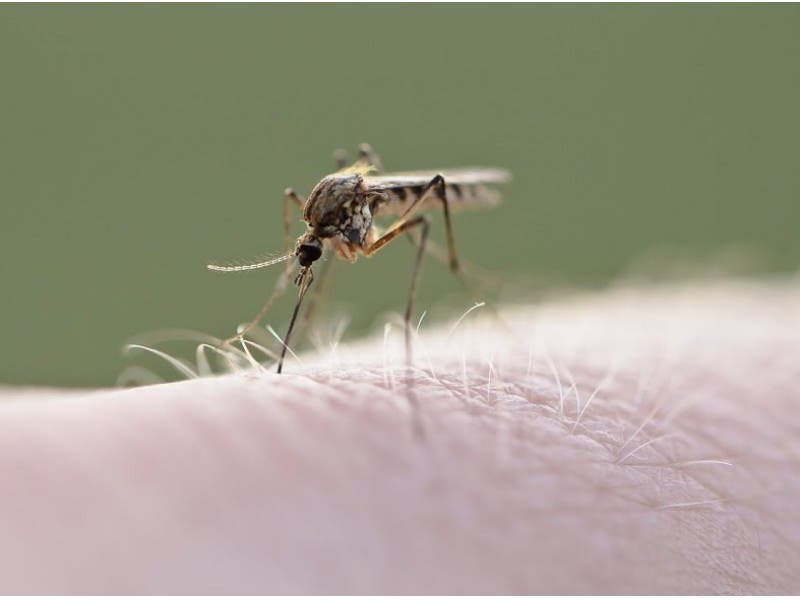
ANNAPOLIS, MD — The number of Zika virus cases in Maryland has climbed to 17, say experts, and state crews have begun to spray areas with mosquito repellent to help curb the pests that carry Zika and other viruses.
The Centers for Disease Control and Prevention says all 17 cases were acquired by travel to areas outside the country where the virus is active; no infections originated in Maryland.
“With the threat of Zika virus in Maryland, our spraying operations have never been more necessary,” said Agriculture Secretary Joe Bartenfelder. “This is major public health concern, and it is important for all Marylanders to remember that we are here to help.”
Find out what's happening in Annapolisfor free with the latest updates from Patch.
Spraying began in Southern Maryland and the Eastern Shore last week, and moves on to other counties this week. If there is a high risk of Zika virus transmission due to mosquito activity or a human case of Zika, the ag department will spray for adult mosquitoes within 24-48 hours in a target area to kill any adult mosquitoes that may be carrying the virus.
»Get Patch’s daily newsletter and real-time news alerts, or like us on Facebook.
Find out what's happening in Annapolisfor free with the latest updates from Patch.
Then, inspectors will go door-to-door in the area to inspect properties for mosquito breeding sites and conduct residual spraying that will reduce adult mosquito populations during the infectious period.
Zika is a mosquito-borne illness that is characterized by a fever, rash and joint pain. According to the state, only about one out of five people infected with Zika are symptomatic. While the illness typically resolves within a week, some severe cases may require hospitalization.
»SEE ALSO:Mosquito Invasion: Tips from Maryland's Bug Guy
The most at-risk population are people traveling to Zika-affected areas, especially pregnant women. Infection with Zika during pregnancy is linked to birth defects in babies, including microcephaly (a condition in which a baby’s head is smaller than expected). Pregnant women are highly discouraged from traveling to Zika-infected areas (Central and South America and the Caribbean).
Zika can also be spread from an infected man to his sex partners. There is also a strong possibility that Zika may can be transmitted through blood transfusions, according to health authorities.
Zika symptoms
In most cases of Zika, there are no symptoms. In a few cases, Zika can trigger paralysis (Guillain-Barré Syndrome).
When present, symptoms are mild and last less than a week. They include fever, rash, joint pain, and red eyes.There's no vaccine or specific treatment. Instead the focus is on relieving symptoms and includes rest, rehydration, and acetaminophen for fever and pain. Aspirin and non-steroid anti-inflammatory drugs (NSAIDs) like ibuprofen should be avoided.
Tips from Maryland’s Bug Guy blog to avoid mosquito bites:
- Apply mosquito repellent to exposed skin before you go outdoors. He recommends any brand that contains up to 30 percent DEET.
- Place a small fan on your patio if you eat outdoors. The light breeze created by the fan will greatly reduce the number of mosquitoes flying and biting.
- Eliminate standing water by cleaning your gutters, dumping your birdbath twice a week, turning over your wheelbarrow, emptying the wading pool, and getting rid of water-filled containers.
- Add a soil microbe known as Bacillus thuringiensis israelensis, a.k.a. Bti to an aquatic water garden or standing water on your property that could breed mosquitoes. The microbe comes in doughnut-shaped tablets that can be placed in water to kill mosquito larvae.
Get more local news delivered straight to your inbox. Sign up for free Patch newsletters and alerts.