Community Corner
Perseids, Delta Aquarids: Summer Meteor Shower Peak Weekend Ahead
The fireball- and light trail-producing Perseids meteor shower is under way, overlapping with the Delta Aquarids. Read more for peak dates.


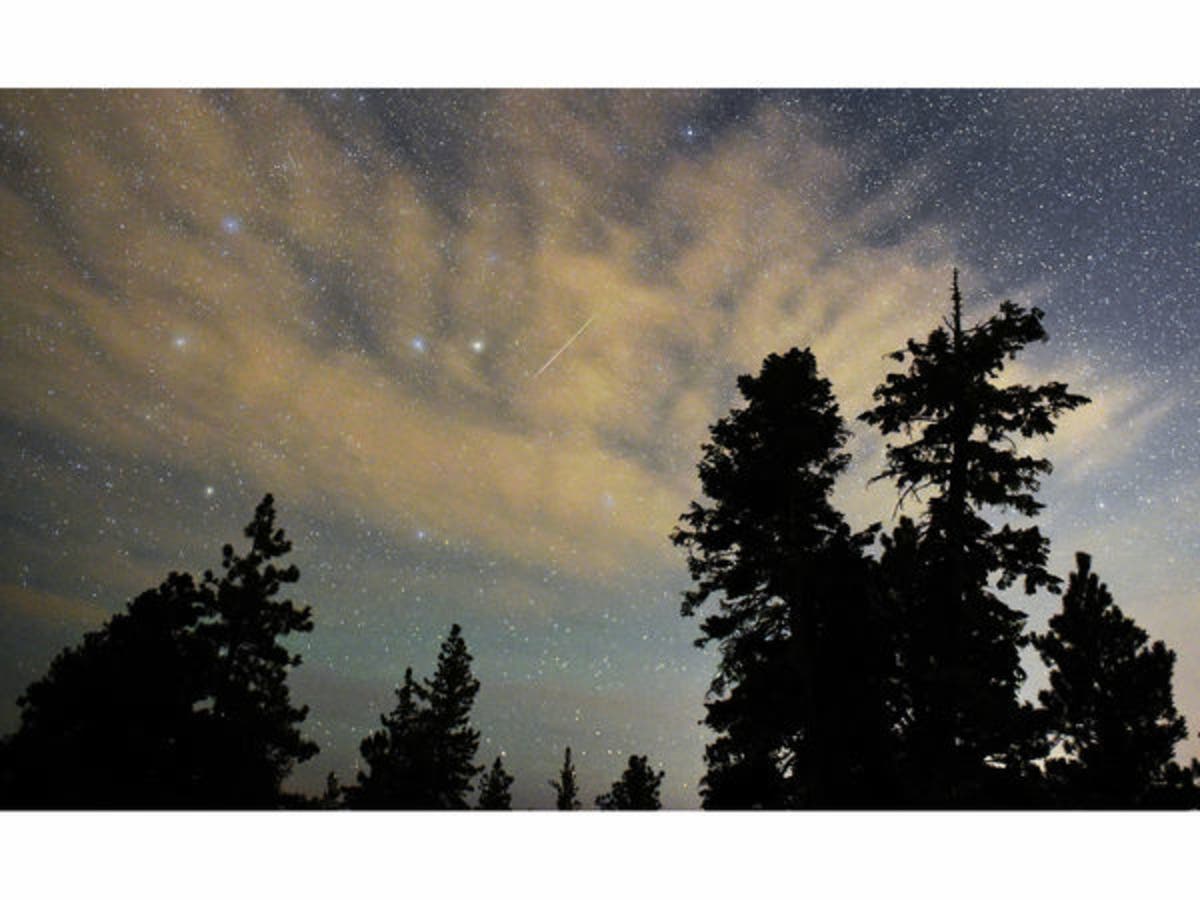
The always anticipated Perseids meteor shower began July 17 as Earth passed through the path of the Comet Swift-Tuttle, but the shower known for its blazing bright meteors won’t peak until Saturday, Aug. 12. If your eyes feast on any meteors before then, they could be part of the Delta Aquarids meteor shower, which started last week, peaked July 29 and 30, and continues through Sunday, Aug. 13.
If you look up in Maryland, Washington or Virginia at night this week, you might catch a glimpse of meteors. While the drenching rains of the weekend are gone, the National Weather Service predicts partly to mostly cloudy skies across the region through Saturday.
Look at the Delta Aquarids meteor shower as the warm-up act for the Perseids. The latter show is so reliable and ooh-and-ahh worthy that stargazers plan around it with camping excursions and treks to dark sky preserves.
Find out what's happening in Annapolisfor free with the latest updates from Patch.
NASA meteor expert Bill Cooke advises stargazers to allow about 30 minutes for their eyes to adjust to the dark and then settle in for a few hours during the Perseids meteor shower peak. Those who are patient will be rewarded, he said, noting that at a rate of 150 meteors per hour, stargazers should see about two or three a minutes — some faint trails of light, others generating fireballs. (SIGN UP: Get Patch’s daily newsletter and real-time news alerts, or like us on Facebook. Or, if you have an iPhone, download the free Patch app.)
The earlier show produces about 20 meteors an hour at its peak and is regarded as an average meteor shower. A crescent moon will have set by the time they tune up, leaving skies dark for the late-night and early-morning Delta Aquarids meteor shower, according to seasky.org.
Find out what's happening in Annapolisfor free with the latest updates from Patch.
The Perseids meteor shower, the main act, is good for up to 150 meteors an hour, according to space.com. This year, a waning gibbous moon — one that appears less than half full but is more than half-lighted — could block out some of the fainter meteors, but the Perseids are so bright that you should still plan on catching the show. The meteors radiate from the constellation Perseus, but you’ll be able to see them no matter where you’re looking in the sky.
The Perseids’ Aug. 12 peak comes when Earth passes through the densest, dustiest area of the wide path of Comet Swift-Tuttle — about 16 miles wide at its nucleus, according to space.com. The last time it passed near Earth was during its orbit of the sun in 1992, something that won’t happen again until 2126. The comet itself is a rare occurrence, but the annual meteor shower is a brilliant reminder of it.
Meteors are pieces of comet debris that heat up as they enter the atmosphere then burn in a bright burst of light that streaks across the sky at up to 37 miles per second, according to space.com. Most of the Perseids meteors are so small — they’re about the size of a grain of sand — that they’ll never become “meteorites” that fall to the Earth.
— Story by Patch Editor Beth Dalbey
Photo by Ethan Miller/Getty Images News/Getty Images
Get more local news delivered straight to your inbox. Sign up for free Patch newsletters and alerts.