Health & Fitness
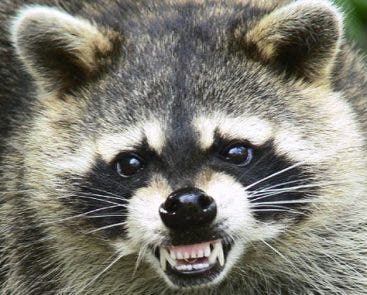
Raccoon Rabies Vaccination Project Begins in County
Anne Arundel County Health workers will distribute bait with vaccine inside in some areas; police helicopter will drop bait in rural areas.


If your dog finds what looks like a ketchup packet on a walk, be careful, it could be a dose of rabies vaccine.
The vaccine is not harmful to pets, but children and some adults are urged not to handle the bait. The project is an effort to eradicate rabies -- a potentially fatal disease -- from raccoon populations.
The Anne Arundel County Department of Health is beginning to distribute bait packets with the raccoon oral rabies vaccine on Tuesday, Sept. 1. Baits will be placed throughout the cCounty to vaccinate raccoons against rabies.
Find out what's happening in Annapolisfor free with the latest updates from Patch.
The project should be completed by Sept. 30, weather permitting, the department says in a news release.
The baits, which contain liquid rabies vaccine, will be placed in neighborhoods by ground teams of trained Department of Health staff. Teams will wear shirts with Department of Health logos and travel in marked county vehicles.
A low-flying county police helicopter will drop the baits in rural areas.
Find out what's happening in Annapolisfor free with the latest updates from Patch.
Health officials say the vaccine baits come in two styles. One looks like a ketchup packet with a light brown waxy coating. The other looks like a small brown brick, is about three-quarters of an inch thick by 1.25 inches square, and has a plastic packet inside. In both styles, the vaccine is contained within the packet.
The bait are marked with a 1-800 phone number. Anyone who comes in contact with the bait or has a pet that finds the bait is asked to call that number or 410-222-0056, ext. 3025.
The vaccine immunizes raccoons when the animal bites into the packet that contains the vaccine. Health officials say the vaccine cannot cause rabies and is not harmful to raccoons, pets or other animals. It is believed to be a low human health risk.
However, these individuals avoid handling the bait:
- Children younger than 18 years old
- Pregnant women
- Anyone with a compromised immune system
- Anyone with a chronic skin condition
The Department of Health urges residents to keep their pets confined or on a leash during the baiting and for two weeks after. Should your pet find a bait, take care in removing the bait from your pet’s mouth.
For more information about the vaccination project, visit www.aahealth.org/orv.
Get more local news delivered straight to your inbox. Sign up for free Patch newsletters and alerts.