Health & Fitness
How Likely It Is You’ll Get Skin Cancer In Anne Arundel County
May is National Skin Cancer Awareness Month. Here are the odds of getting skin cancer in Anne Arundel County.


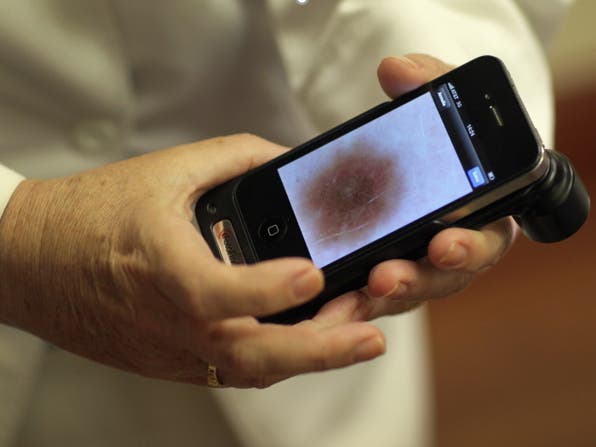
ANNE ARUNDEL, MD -- May is National Skin Cancer Awareness Month and a new report suggests some states aren’t nearly as concerned about sun damage as they should be, given their rates of melanoma. Fortunately, Anne Arundel County doesn't appear to be one of them.
Skin cancer is the most common form of cancer in the country. Basal cell and squamous cell carcinomas are the two most common types, though both are highly curable. Melanoma is the third most prevalent, but also the most deadly, killing 9,000 Americans in 2015 alone, the most recent year data was available.
Skin cancer is caused by too much exposure to ultraviolet rays, whether it’s from sunlight or tanning beds. These rays penetrate and alter skin cells.
Find out what's happening in Anne Arundelfor free with the latest updates from Patch.
According to the folks at Advanced Dermatology in Illinois, Maryland residents are appropriately concerned about skin cancer. The skin doctors analyzed Google trends data and local skin cancer rates from the federal Centers for Disease Control and Prevention to rank every state based on whether they’re appropriately concerned, with No. 1 representing extremely concerned.
Here’s what the report found for Maryland:
Find out what's happening in Anne Arundelfor free with the latest updates from Patch.
- Skin cancer rate: High
- Interest in prevention: Very High
In Maryland, there were 7,279 new cases of skin melanomas between 2011 and 2015 and 749 people died from the cancer.
Anne Arundel County, with an age-adjusted melanoma rate of 33.2 per 100,000 people, ranked as the 3rd most likely in the state to get melanoma.
Here are the 10 counties in the state most likely to get melanoma. The results include rate, case count and population.
1. Baltimore County 29.0 1,418 4,110,473
2. Montgomery County 18.6 1,064 5,080,918
3. Anne Arundel County 33.2 1,002 2,775,358
4. Harford County 34.8 486 1,244,552
5. Howard County 24.7 398 1,518,899
6. Frederick County 25.4 331 1,207,058
7. Baltimore City 9.7 316 3,111,150
8. Carroll County 33.2 313 837,256
9. Prince Georges County 6.4 264 4,455,400
10. Washington County 21.9 190 746,392
Utah saw the highest rate of skin cancer of any state at 38.3 new cases per 100,000 people. Vermont, Delaware, Minnesota and New Hampshire rounded out the top five. Conversely, Washington, D.C. saw the lowest rate with a rate of 9 new cases per 100,000 people, followed by Texas, Alaska, Nevada and New Mexico.
While some people may think they look good with a tan, it doesn’t indicate good health. In fact, it means quite the opposite.
“A tan is your skin’s response to injury, because skin cells signal that they have been hurt by UV rays by producing more pigment,” the CDC wrote on its website. “Any change in skin color after UV exposure (whether it is a tan or a burn) is a sign of injury, not health.”
Over time, too much exposure to UV rays can cause skin cancers and even cataracts and cancers of the eye.
“Every time you tan, you increase your risk of getting skin cancer,” the CDC said.
To reduce the risk of skin cancer, health officials recommend staying in the shade, covering arms and legs, wearing a hat and sunglasses and wearing sunscreen of at least SPF 15. Also avoid indoor tanning altogether.
Patch national staffer Dan Hampton contributed to this report.
Get more local news delivered straight to your inbox. Sign up for free Patch newsletters and alerts.