Neighbor News
New Zoom Phishing Scam Targets Insurance Agents, Realtors And Other Business Professionals
Cybercriminals are using fake meeting links and AI-generated communications to trick professionals into downloading malware.
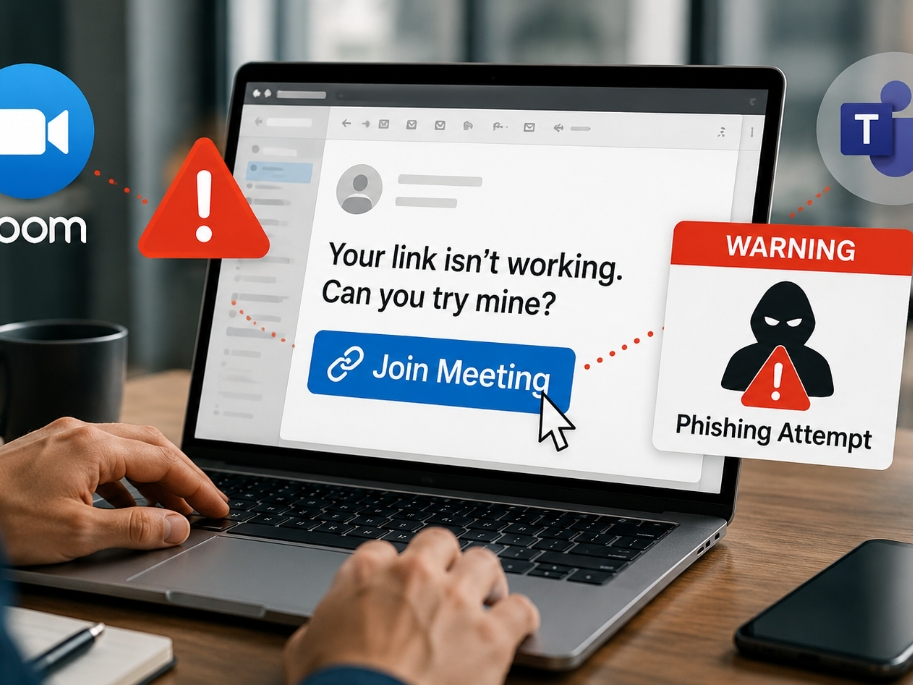
New Zoom / Online Meeting Phishing Scam Targeting Maryland Business Professionals
Business owners across Maryland should be aware of a growing phishing scam that is exploiting something many of us use every day: online meetings.
Insurance agents, real estate professionals, financial planners, attorneys, consultants, and other business professionals are reporting a sophisticated scam that begins with what appears to be a legitimate business conversation. Unlike traditional phishing emails filled with obvious mistakes, these attacks often involve realistic communications, professional language, and even scheduled Zoom or Microsoft Teams meetings.
Find out what's happening in Anne Arundelfor free with the latest updates from Patch.
The scam typically starts when someone reaches out about a potential business opportunity, consultation, partnership, or service inquiry. After a few emails or messages, a virtual meeting is scheduled. Everything appears normal until just minutes before the meeting begins.
That's when the scammer claims they are having trouble accessing the meeting invitation and asks to switch to a different meeting link.
Find out what's happening in Anne Arundelfor free with the latest updates from Patch.
The replacement link may look legitimate, but clicking it could expose users to malware, credential theft, or other cybersecurity risks.
Why This Scam Is Effective
Cybercriminals understand that virtual meetings have become a routine part of doing business. Most professionals have experienced technical difficulties with Zoom or Teams at some point, making a last-minute request to change meeting links seem completely reasonable.
Unfortunately, scammers are counting on people acting quickly without taking time to verify the request.
The growing use of artificial intelligence has also made these scams more convincing. Professional-looking emails, realistic business inquiries, and personalized messages are becoming easier for criminals to create.
Warning Signs to Watch For
Business professionals should be cautious when they encounter:
- Last-minute requests to change meeting links
- Pressure to act quickly
- Requests to download unexpected software
- Contacts who refuse to speak by phone
- Prospects with little or no online presence
While these signs do not automatically indicate fraud, they should encourage additional verification before clicking any links.
Simple Ways to Protect Yourself
A few basic cybersecurity habits can reduce risk significantly:
- The best way is not to use the other party's link and isist on using your system's meeting link.
- Verify meeting changes through another communication method.
- Call the person directly if possible.
- Avoid downloading software from unfamiliar websites.
- Train employees to recognize phishing attempts.
- Use multi-factor authentication on important business accounts.
If you believe you clicked a suspicious link, disconnect the device from the internet and contact your IT provider immediately. However, avoid shutting down the computer unless directed by a cybersecurity professional, as valuable forensic information may be lost.
Why Awareness Matters
According to cybersecurity industry research, phishing and social engineering attacks remain among the most common ways criminals gain access to businesses and sensitive information. The reality is that many modern cyberattacks target people rather than technology.
The best defense is often slowing down and verifying before clicking.
For a more detailed breakdown of how this Zoom phishing scam works, additional warning signs, cybersecurity best practices, and information about protecting your business from cyber threats, read the full article from Huff Insurance here:
huffinsurance.com/blog/zoom-phishing-scam-targeting-business-professionals/
Huff Insurance has served Maryland businesses and families since 1960 and regularly shares educational resources to help individuals and organizations manage evolving risks.
About the Author:
Jerry Nicklow has worked in the insurance industry since 1995 and has written insurance marketing and educational content since 2008. He holds the API, AAI, and AIS designations from the Insurance Institutes. He has also appeared on insurance industry podcasts, and is the creator of Real Insurance Talk, where he explains insurance in plain terms through articles and his YouTube channel to help individuals and business owners better understand coverage and risk.