Weather
Nor’easter to Bring Heavy Rain, Strong Winds & Flooding to Ocean City This Weekend
AAA Urges Caution, Offers Safe-Driving Tips As Storm Threatens Ocean City, Cancels Weekend Oceans Calling Festival
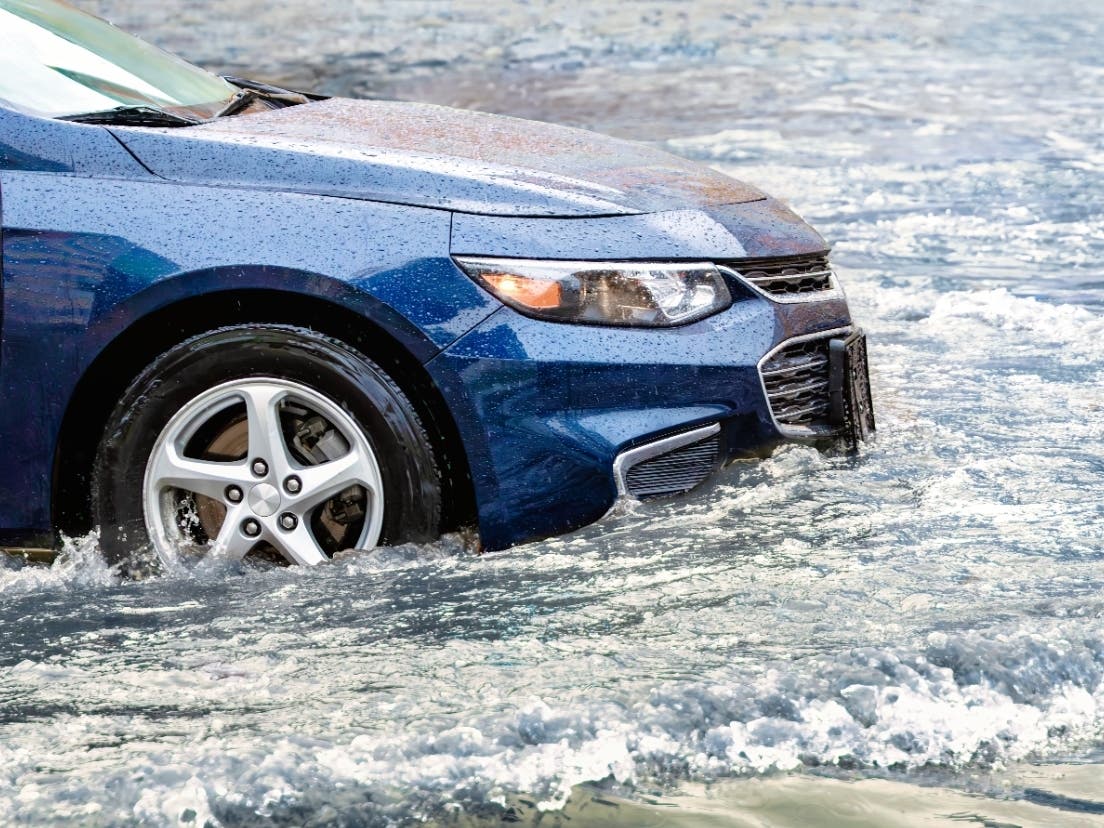
Ocean City, MD (September 25, 2026) – A powerful coastal storm is expected to impact Ocean City and surrounding coastal areas this weekend, bringing heavy rain, strong winds, high tides and potentially significant flooding. The National Weather Service has issued coastal and wind-related advisories as the nor’easter tracks westward toward the region. The worsening conditions have prompted organizers to cancel this weekend’s Oceans Calling Festival.
AAA reminds motorists that flooding and strong winds can create hazardous driving conditions, even in areas that do not typically experience flooding. Drivers should avoid unnecessary travel during periods of heavy rain, allow extra following distance, reduce speed and remain alert for standing water, debris, downed branches and changing road conditions.
“When severe weather is in the forecast, drivers need to take the conditions seriously and adjust the way they drive,” said Ragina Ali, spokesperson for AAA Club Alliance in Maryland and Washington, D.C.. “Heavy rain can quickly reduce visibility and create standing water, while strong winds can make it difficult to maintain control, especially for high-profile vehicles. If you encounter a flooded roadway, don’t take a chance. Turn around, don’t drown.”
Find out what's happening in Baltimorefor free with the latest updates from Patch.
AAA Safe-Driving Tips for This Weekend:
- Avoid flooded roads. Never attempt to drive through water covering a roadway. You can't reliably determine the depth or condition of the road underneath.
- Turn around, don't drown. If you encounter a flooded roadway, find an alternate route. Just a few inches of moving water can affect vehicle control.
- Slow down. Wet roads reduce traction and increase stopping distances. Give yourself plenty of room to stop.
- Increase following distance. Leave additional space between your vehicle and the one ahead, particularly when visibility is reduced.
- Use your headlights. Make sure you're visible to other motorists during periods of rain and reduced visibility.
- Be alert for debris. Strong winds can bring down tree limbs and other objects, creating unexpected hazards on the roadway.
- Watch for standing water. Even when water isn't moving, it can cause a vehicle to hydroplane and lose traction.
- Avoid cruise control. Cruise control can reduce a driver's ability to respond quickly if the vehicle begins to hydroplane.
- Check conditions before leaving. If severe weather is affecting your area, consider delaying your trip until conditions improve.
- Never drive around barricades. Road closures are put in place for a reason. If a roadway is closed because of flooding or other storm-related hazards, find another route.
- Watch for hydroplaning. No car is immune from hydroplaning on wet surfaces, including four-wheel drive vehicles. Even if brakes work under normal conditions that doesn’t mean they will react the same on slippery roads where tires roll with less traction.
- Take the nearest exit. If conditions worsen to the point where there is any doubt about your safety, take the nearest exit. Don’t just stop on the shoulder or under a bridge. If your visibility is compromised, other drivers may be struggling too.
- Be especially cautious near the Jersey Shore. Coastal flooding, high surf and strong winds are expected to create additional hazards in coastal areas this weekend.
“The safest decision may be to simply wait out the worst of the weather,” Ali said. “A few extra minutes or even postponing a trip is worth it when the alternative is putting yourself, your passengers or other motorists at risk.”
Find out what's happening in Baltimorefor free with the latest updates from Patch.
AAA Tips on Auto Insurance Coverage:
- Physical damage to a car caused by heavy wind, flooding, or fallen tree limbs is covered under the optional comprehensive portion of an auto policy.
- Car owners should contact their insurance company to determine the extent of coverage before seeking repairs.
AAA Tips on Auto Insurance Claims:
- Take photographs of any visible damage.
- Any vehicle sustaining flood damage should be fully inspected before being allowed back on the road. Mechanical components, computer systems, engine, transmission, axles, brake system and fuel system impacted by water contamination may render the vehicle unfit to drive and in many cases vehicles sustaining significant water damage will be determined to be a total loss.
AAA Tips on Home Insurance Coverage:
- Wind-driven rain that causes an opening in the roof or wall and enters through this opening is covered under standard homeowner’s insurance policies. Water that seeps into a home from the ground up is considered flooding and would be covered by flood insurance, which is provided by the National Flood Insurance Program and a few private insurers. Flood insurance is available to both homeowners and renters. Flood damage is not covered by standard homeowners or renters insurance policies.
- Homeowners policies also include additional living expenses—in the event a home is severely damaged by an insured disaster, this would pay for reasonable expenses incurred by living elsewhere while the home is being fixed or rebuilt.
AAA Tips on Homeowners Insurance Claims:
- The first step to recovery is inspecting your home for damage and then notifying your insurance company as soon as possible.
- Prepare an inventory and take photographs of damaged property.
- Store undamaged property in a protected place if possible.
- If carpet is soaked, remove the carpet and the carpet pad. Keep a two-foot square piece for the claims adjuster.
- Look for hazards such as broken or leaking gas lines, flooded electrical circuits, submerged furnaces or electrical appliances and damaged sewage systems.
- Proceed with extreme caution as you inspect your basement. There may be hazards from electrical lines and heating units. If your basement has flooded, do not pump it out all at once. Remove about one-third of the water per day. The wet ground surrounding your basement may cause the floors to buckle and the walls to collapse.
- Remove contaminated materials from the home. Be aware of exposure to mold.
- Carpeting, mattresses and upholstered furniture should be disposed of or cleaned and disinfected by a professional cleaner.
- Cover broken windows and other holes to prevent further damage.
- Test drywall for moisture softness. If soft, cut holes at base to help dry out.
- If possible run AC, dehumidifier and fans constantly.
- If power is out, disconnect all computers and appliances from electrical sources.
- Open cabinet doors and elevate furniture allowing air to circulate.
- Save wet books or photo albums by putting them on edge in a frost-free freezer.
- Be present when the adjuster inspects your damage.