Health & Fitness
First Cold-Weather Death Recorded In Maryland For 2018-19 Season
A man has died because of cold weather in Maryland, according to state health officials. It is the first such death of the 2018-19 season.


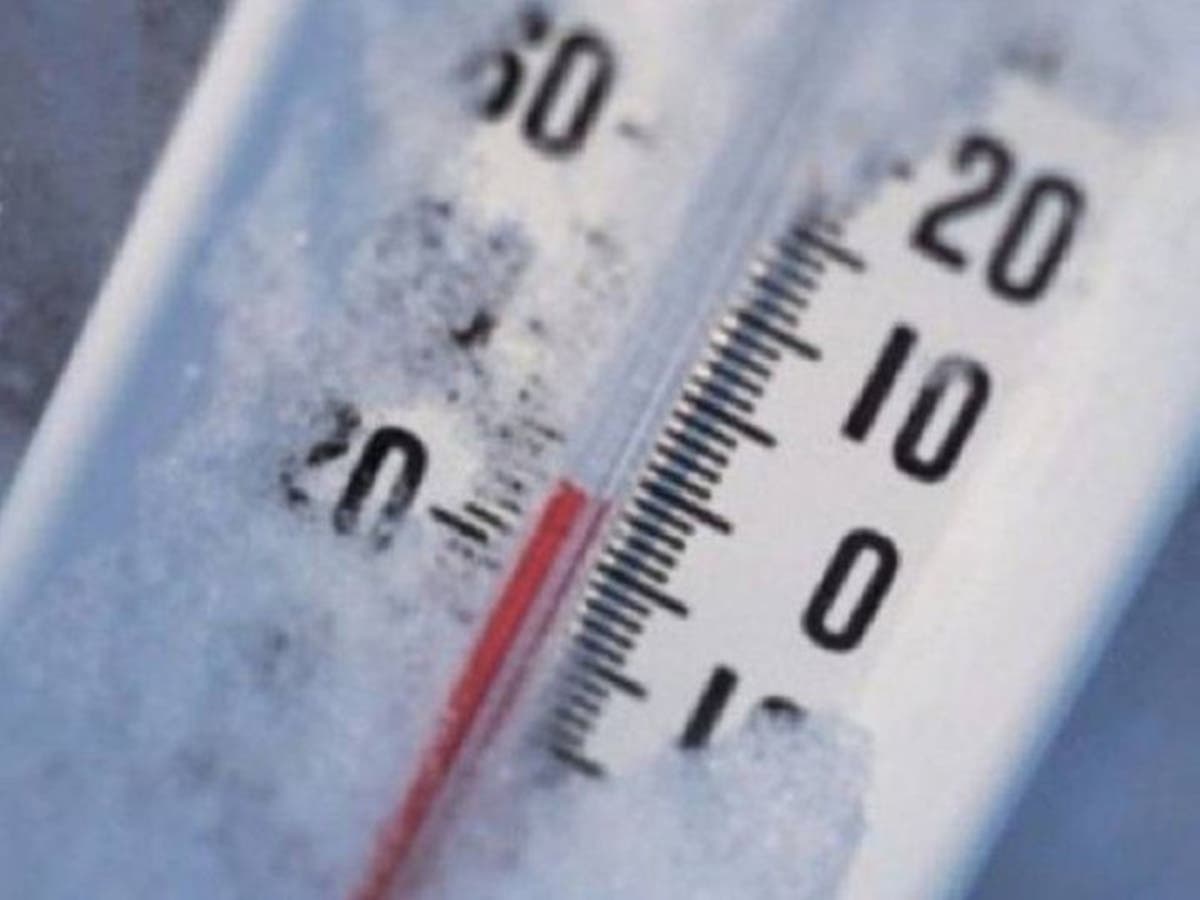
BALTIMORE, MD — A man has died from hypothermia — a dangerous drop in body temperature caused by prolonged exposure to cold temperatures — and residents are being warned to prepare for bitter cold this Thanksgiving weekend, the Maryland Department of Health said. The victim was a man in Garrett County who was older than 65, the Office of the Chief Medical Examiner said Wednesday. He is the first death attributed to cold weather in the 2018-19 winter season. There were 61 cold-related deaths in Maryland during the 2017-2018 winter weather season.
“Temperatures are expected to plummet across Maryland this Thanksgiving weekend,” said Maryland Department of Health Deputy Secretary for Public Health Fran Phillips in a news release. “If you must go outside, prevent cold-related illness, like hypothermia, by wearing layers and protecting your nose, ears, toes, and fingers. If you’re leaving town for the holiday weekend, pack a cold weather emergency car kit with blankets, warm clothes, an ice scraper, and food and water.”
The health department considers the winter season to be November through March. It monitors cold-related illnesses and deaths during that time, reporting on them weekly.
Find out what's happening in Baltimorefor free with the latest updates from Patch.
SEE ALSO: Arctic Freeze: MD Thanksgiving Weekend Forecast, Travel Outlook
Winter weather dangers include hypothermia, frostbite, carbon monoxide poisoning, and injuries from heat sources. Hypothermia occurs when the body temperature falls below 95 degrees. Frostbite is the freezing of body tissue that is likely to occur any time skin temperature gets below 32 degrees Fahrenheit.
Find out what's happening in Baltimorefor free with the latest updates from Patch.
Be sure to cover toes, fingers, ears, cheeks, and the tip of the nose and during extreme cold weather. You should also wear several layers of lightweight, loose-fitting clothing and waterproof boots or sturdy shoes.
Carbon monoxide issues are another common winter hazard, and can cause illness or death. The colorless, odorless gas is produced by malfunctioning gas furnaces, small gasoline engines, stoves, generators, lanterns, and gas ranges or by burning charcoal and wood. Marylanders are urged to install carbon monoxide detectors in their homes. Heating sources can also cause fires, electrical injuries, and burns if not properly installed, operated, and maintained. Never use your oven to heat your home.
Residents who need housing or energy assistance this winter should call 211 to see if there are resources available to help.
Hypothermia:
Extreme cold is especially dangerous for the very young, senior citizens, those without shelter or who are stranded, or who live in a home that is poorly insulated and/or without heat. Because hypothermia can affect the brain, a person may not be aware that it is happening, and not take appropriate steps to prevent damage.
Warning Signs:
- Shivering, exhaustion
- Confusion, fumbling hands
- Memory loss, slurred speech
- Drowsiness
- For infants – bright red, cold skin, very low energy
What to do:
- If you notice any of these signs, take the person's temperature. If it is below 95 degrees, the situation is an emergency – get medical attention immediately
- If the person is unconscious and does not seem to have a pulse or to be breathing, call 9-1-1
Prior to medical care:
- Get victim into a warm room or shelter
- Remove any wet clothing
- Warm the center of the body first – chest, neck, head and groin – using electric blanket if available, or use skin-to-skin-contact under loose, dry layers of blankets, clothing, towels or sheets
- Warm, nonalcoholic, beverages can help increase body temperatures if the victim is conscious
Frostbite:
Frostbite is an injury to the body that is caused by freezing. Frostbite causes a loss of feeling and color in affected areas, typically the nose, ears, cheeks, fingers or toes. Signs of frostbite include redness or pain in any skin area, a white or grayish-yellow skin area, skin that feels unusually firm or waxy and numbness.
What to do:
- Get into a warm area as soon as possible
- Immerse the affected area in warm, but not hot, water
- Warm the affected area using body heat
- Do not use a heating pad, heat lamp, or the heat of a stove, fireplace or radiator for warming
- Do not walk on frostbitten feet or toes if at all possible
- Do not rub the frostbitten area with snow or massage it in any fashion
Outdoor Safety:
Try to stay indoors, and make trips outside as brief as possible. Limit outdoor recreational activity. Outdoor cold weather exertion puts extra strain on the heart.
- Wear hat, scarf or mask to cover face and mouth
- Sleeves should be snug at the wrist
- Mittens are warmer than gloves
- Several layers of loose-fitting clothing should be worn under a heavy coat
Indoor Safety:
If you plan to use a wood stove, fireplace or space heater, be extremely careful. Never use generators, grills, camp stoves or similar devices indoors, inside a garage, or near the air intake of your house because of the risk of carbon monoxide poisoning.
- Only use combustion heaters if they are properly vented to the outside and do not leak flue gas into the indoor air space
- Do not place a space heater within three feet of anything that may catch fire, such as drapes, furniture or bedding
- Do not use an extension cord
Vehicle Safety:
During cold winter weather, keep the gas tank near full to help avoid ice in the tank and fuel lines. Make sure there is adequate antifreeze. Never leave a person of any age alone in a vehicle. Have extra blankets and supplies in case of a breakdown.
Image via Shutterstock
Get more local news delivered straight to your inbox. Sign up for free Patch newsletters and alerts.