Crime & Safety
Henrietta Lacks Family, Thermo Fisher Settle Cell Use Lawsuit
The settlement with the Massachusetts-based company came more than 70 years after doctors took Lacks' cancer cells without her consent.


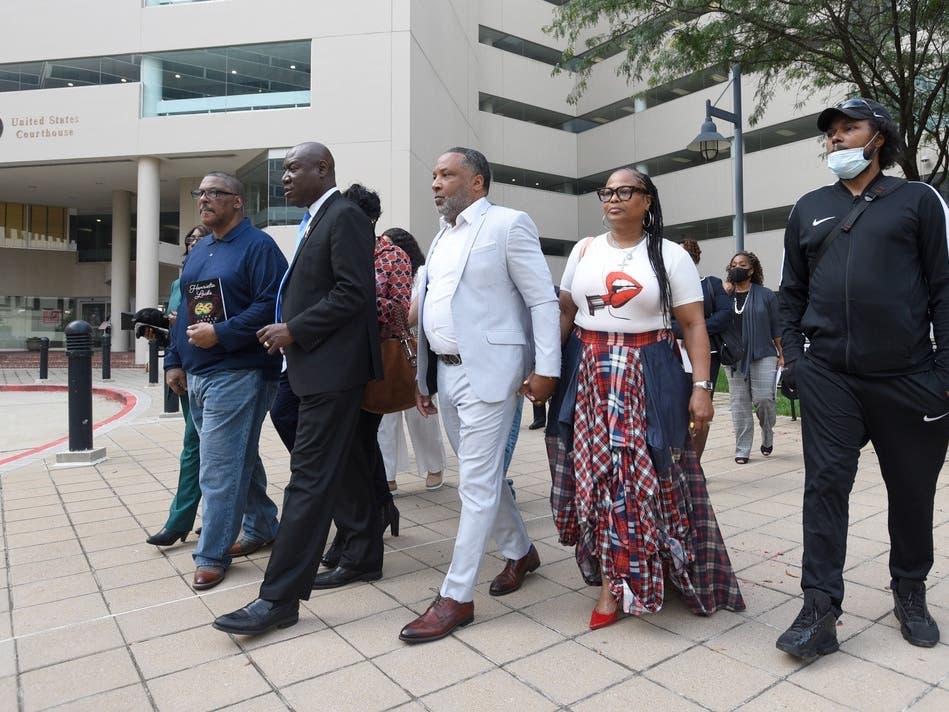
BALTIMORE, MD — Lawyers for the descendants of Henrietta Lacks, a Black woman whose cervical cancer cells were taken without her consent more than 70 years ago, said a settlement had been reached with the biotechnology company they sued in 2021.
The settlement with Massachusetts-based Thermo Fisher came after Lacks' family accused the company of using Lacks' cells for "unjust enrichment" and accused its leaders of reaping billions of dollars from a racist medical system.
The family did not ask for specific monetary damages in the lawsuit, according to reports.
Find out what's happening in Baltimorefor free with the latest updates from Patch.
- RELATED: Henrietta Lacks Family Lawsuit Over Cell Use To Be Decided By MD Judge | Henrietta Lacks Family, Thermo Fisher Could Settle Cell Use Suit
The settlement came after closed-door negotiations that lasted all day Monday inside the federal courthouse in Baltimore. Several members of the Lacks family were in on the talks.
Find out what's happening in Baltimorefor free with the latest updates from Patch.
Attorney Ben Crump, who represents the Lacks family, announced the settlement late Monday. He said the terms of the agreement are confidential.
"The parties are pleased that they were able to find a way to resolve this matter outside of Court and will have no further comment about the settlement," Crump said in a statement.
The lawsuit against biotechnology company Thermo Fisher Scientific claimed Lacks' cells were taken while she was receiving treatment at Johns Hopkins in 1951. Lacks, who was from Baltimore County, died at 31 and was buried in an unmarked grave. A poor tobacco farmer from southern Virginia, she was raising five children when doctors discovered a tumor in her cervix and saved a sample of her cancer cells collected during a biopsy.
The cells taken from Lacks became the first human cells to be successfully cloned, according to a report from The Associated Press. Now called HeLa cells, they have enabled numerous scientific and medical innovations, including the development of the polio vaccine, genetic mapping, and even COVID-19 vaccines.
HeLa cells were discovered to have unique properties. While most cell samples died shortly after being removed from the body, her cells survived and thrived in laboratories. This exceptional quality made it possible to cultivate her cells indefinitely — they became known as the first immortalized human cell line — making it possible for scientists anywhere to reproduce studies using identical cells.
The discovery and the science involved were detailed in a 2010 bestselling book, "The Immortal Life of Henrietta Lacks." Oprah Winfrey portrayed her daughter in an HBO movie based on the book.
Johns Hopkins said it never sold or profited from the cell lines, but many companies have patented ways of using them.
In their complaint, Lacks' grandchildren and other descendants argued that her treatment illustrates a much larger issue that persists into the present day: racism inside the American medical system.
"The exploitation of Henrietta Lacks represents the unfortunately common struggle experienced by Black people throughout history," the complaint reads. "Too often, the history of medical experimentation in the United States has been the history of medical racism."
Thermo Fisher previously argued the case should be dismissed because it was filed after the statute of limitations expired, but attorneys for the family said that shouldn't apply because the company is continuously benefitting from the cells.
The Associated Press contributed to this report.
Get more local news delivered straight to your inbox. Sign up for free Patch newsletters and alerts.