Community Corner
MD Travel Forecast: Peak Travel Times For Christmas
Most holiday travelers in Maryland will be driving, according to AAA Mid-Atlantic. Here are peak travel times.



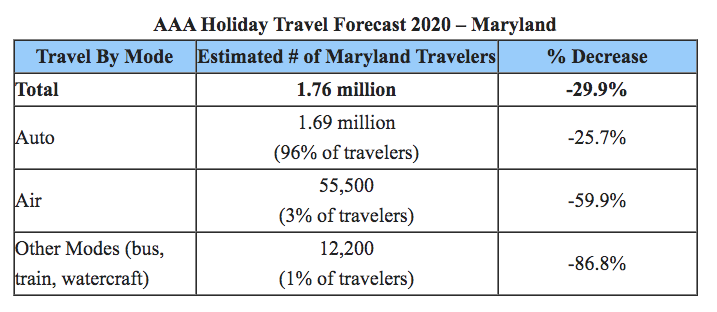
MARYLAND — Because of the coronavirus pandemic, analysts are expecting travel to be down across the board. In Maryland, 96 percent of those who are traveling are expected to go by automobile, according to the American Automobile Association (AAA).
"Public health concerns, official guidance not to travel, and an overall decline in consumer sentiment have encouraged the vast majority of Americans to stay home for the holidays,” said Ragina C. Ali, public and government affairs manager at AAA Mid-Atlantic.
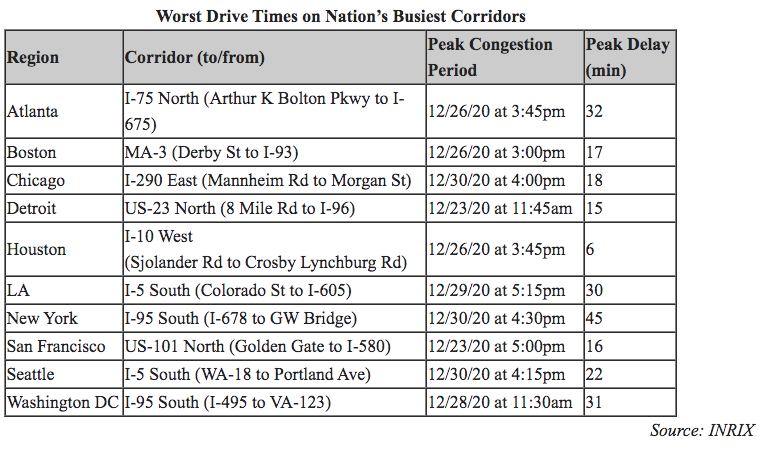
For those whose trips take them through the Baltimore-Washington corridor, the worst time for travel is 11:30 a.m. on Monday, Dec. 28, according to AAA Mid-Atlantic.
Find out what's happening in Baltimorefor free with the latest updates from Patch.
During that peak, drivers could experience about 31-minute delays on Interstate 95 south between I-495 to VA 123, based on projections from travel analytics company INRIX.
For those headed to the Eastern Shore, these are the best times to travel the Bay Bridge:
Find out what's happening in Baltimorefor free with the latest updates from Patch.
- Friday – before 10 a.m. and after 10 p.m.
- Saturday – before 7 a.m. and after 5 p.m.
- Sunday – before 10 a.m. and after 10 p.m.
For the latest on Bay Bridge traffic, call 1-877-BAYSPAN (229-7726).
Check the Maryland Transportation Authority for updates on the Bay Bridge and toll roads and the Maryland Department of Transportation for traffic incidents.
Other areas prone to traffic bottlenecks may also see delays.
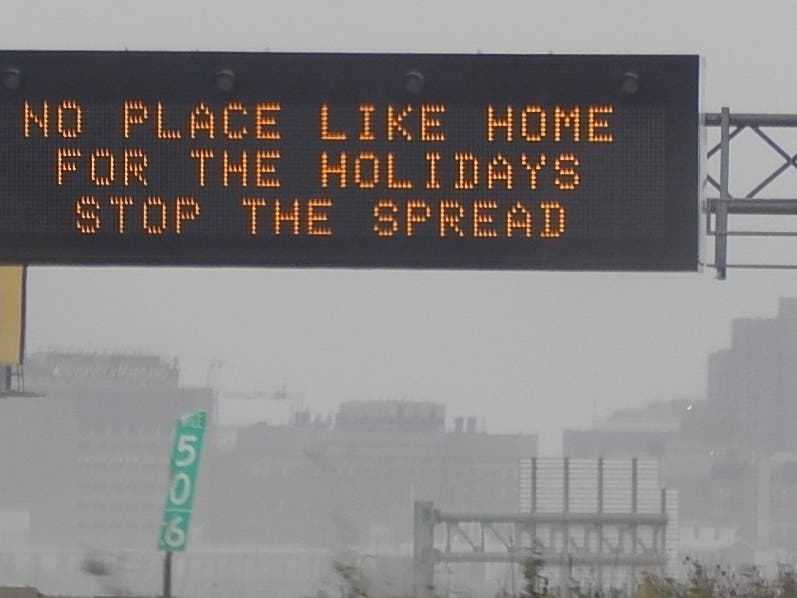
Maryland Gov. Larry Hogan and State Transportation Secretary Greg Slater asked people to stay "safer at home" for the holidays during a news conference the week before Christmas.
"As COVID-19 is picking up, we join Governor Hogan in asking all Marylanders to stay home for the holidays. If you don’t have to travel, please don’t," Slater said.
"We’ll be sharing that message on our highway overhead signs, our transit stations, and at BWI Marshall airport," Slater said. "You’ll see these flyers everywhere. You’ll see these visual aids everywhere about giving the gift of good health during this pandemic and keeping your guard up, so the cases stay down."
No place like home for the holidays. Thank you, @MDOTNews. pic.twitter.com/lhVXITSglM
— Mike Ricci (@riccimike) December 21, 2020
Despite public health guidance to stay home for the holidays, as many as 84.5 million Americans may still travel from Dec. 23 through Jan. 3, travel analysts say.
Train, Bus Trips Down Almost 90 Percent
Travel by car is expected to replace some trips previously taken by bus, train or airplane, since public transit means exposure to more people in a confined space.
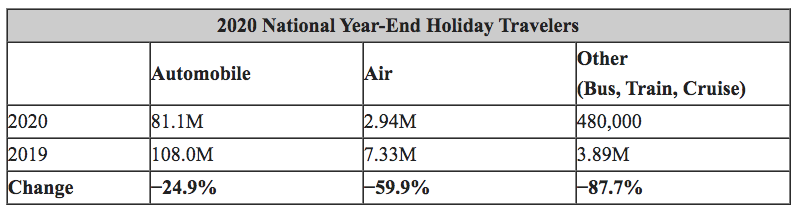
Bus and train travel are down 87 percent compared with 2019 as some bus and train trips will be shifted to car travel or cancelled.
"For those using transit, remember, you must wear a face covering," Slater said. "We ask riders to maintain social distancing. We have shields in place between bus operators and riders, and all of our operators are wearing face coverings."
Air Travel Down Almost 60 Percent
Marylanders traveling by plane for the year-end holidays is down 59.9 percent since last year, which is on par with the nation as a whole, according to the forecast from AAA.
At Baltimore-Washington International Thurgood Marshall Airport (BWI), ticketed passengers and staff are the only ones who may be in the terminals. All people must wear face coverings in the airport, where free masks will be available at information desks and concession stands.
For an added precaution, flyers may want to use disinfecting wipes to clean seats, armrests, belt buckles and tray tables.
If they are traveling out of state, the governor is ordering people to get tested for the coronavirus before and after their trips.
"Marylanders who do travel outside Maryland or [people] who do travel to our state will be required to obtain a negative COVID-19 test result or to self-quarantine for 10 days," Hogan said.
Those who travel from Maryland to the District of Columbia, Virginia, Pennsylvania, Delaware and West Virginia are exempt from the coronavirus testing requirement.
Tips For Travelers
The Centers for Disease Control and Prevention offers travel guidelines such as how to gauge coronavirus exposure risk and know when to delay travel, including questions to ask before making a trip.
During the pandemic, AAA suggests these tips for staying safe while traveling:
- Plan ahead. Learn about COVID-19 Travel Restrictions at the state and local level.
- Minimize stops to limit exposure. Pack meals, snacks, drinks and an emergency roadside kit.
- Wash your hands regularly, and pack disinfecting wipes, hand sanitizer and a thermometer.
- Use face masks, and stay 6 feet apart from people when possible.
- Call hotels before traveling to find out what precautions they are taking to protect guests.
People can also use TripTik.AAA.com to plan their road trips and determine which rest stops, gas stations, restaurants and hotels are open along their routes.
Stay home to best protect yourself and others from #COVID19 this holiday season. Host a virtual holiday meal with friends and family, gather for a virtual gift exchange, decorate your home, or make festive crafts. More tips: https://t.co/PamSx6NqyB. pic.twitter.com/XxTZczuzEq
— CDC (@CDCgov) December 23, 2020
See Also:
Get more local news delivered straight to your inbox. Sign up for free Patch newsletters and alerts.